How to Identify Buildup on Your Scalp and Remove It Safely
You’re likely dealing with scalp buildup if you notice greasy roots within a day of washing, waxy yellow flakes stuck at the hairline, or persistent itchiness and odor. This clog comes from sebum, hard water minerals, and product residue like silicones or dry shampoo. Safely remove it weekly with a clarifying shampoo containing salicylic acid, or try a diluted apple cider vinegar rinse (1:1) to dissolve buildup and reset pH. Use sulfate-free formulas every 1–3 days to avoid over-stripping. For stubborn cases, gentle scalp exfoliation helps unclog follicles. Try not to layer heavy, non-soluble products like mineral oil or dimethicone without thorough rinsing. When done consistently, these methods clear congestion, restore shine, and improve scalp health-explore the full routine to match solutions to your hair type and water hardness.
We are supported by our audience. When you purchase through links on our site, we may earn an affiliate commission, at no extra cost for you. Learn more. Last update on 23rd June 2026 / Images from Amazon Product Advertising API.
Notable Insights
- Waxy, yellowish flakes stuck to the scalp and greasy roots within a day signal buildup.
- Persistent itchiness, dull hair, flat roots, and scalp odor indicate residue accumulation.
- Use a weekly clarifying shampoo with salicylic acid to dissolve sebum and product buildup.
- Rinse with diluted apple cider vinegar to remove minerals and restore scalp pH safely.
- Avoid heavy silicones and dry shampoo overuse to prevent recurring buildup.
What Is Scalp Buildup and Why It Matters
Scalp buildup happens when sebum, dead skin cells, sweat, styling products, and hard water minerals collect at your hair roots, forming a waxy layer that clogs follicles and weighs hair down. This buildup on the scalp-often from product buildup and sebum buildup-can clog hair follicles, disrupt your scalp’s pH, and irritate sensitive skin. Common causes of scalp buildup include overusing dry shampoo, skipping thorough rinses, or relying on heavy silicones that don’t wash out easily. Signs of scalp trouble include greasiness, itchiness, and dull hair, even after washing. Left untreated, it may lead to inflammation or thinning over time. But you can prevent scalp buildup with weekly clarifying shampoos-like those with salicylic acid or apple cider vinegar rinses-that dissolve residue and support a healthy scalp. Detoxing regularly keeps follicles clear, balances oils, and boosts hair liveliness, so your routine actually works.
Scalp Buildup vs. Dandruff: What’s the Difference?
Ever wonder why your scalp flakes but your dandruff shampoo isn’t helping? That’s because scalp buildup and dandruff aren’t the same. Buildup comes from excess sebum, dead skin cells, and product residue-think silicones, dry shampoo-mixing into waxy flakes stuck at your roots. Your hair feels greasy fast, may smell off, and scratching reveals sticky debris under nails. Dandruff, though, stems from Malassezia yeast overgrowth, causing dry, flaky skin that lands on your shoulders. It itches but isn’t oily. Waxy flakes mean buildup; loose, white-to-yellow flakes mean dandruff. Regular clarifying shampoo or an apple cider vinegar rinse cuts buildup effectively. But for dandruff, you’ll need medicated shampoos with zinc pyrithione or ketoconazole. Know the difference, and treat your scalp right.
What Causes Scalp Buildup
While you’re focused on styling, your scalp could be quietly collecting a mix of sebum, leftover conditioners, and dry shampoo residue-especially if you’re layering products like silicones or mineral oils without thorough rinsing. Over time, this mix traps dead skin cells and forms stubborn scalp buildup. Hair products with waxes or heavy oils leave behind residue that’s hard to wash out, especially when combined with hard water. The mineral deposits from hard water-like calcium and magnesium-cling to sebum and product buildup, making it worse. Dry shampoo, while convenient, piles up fast if you’re not washing it out regularly. Even sulfates in your shampoo can backfire by stripping too much oil, causing your scalp to overproduce sebum. Environmental pollutants like VOCs and dust also stick to your scalp, mixing with oils and creating a grimy layer you can’t always see.
How to Spot Scalp Buildup: Key Signs
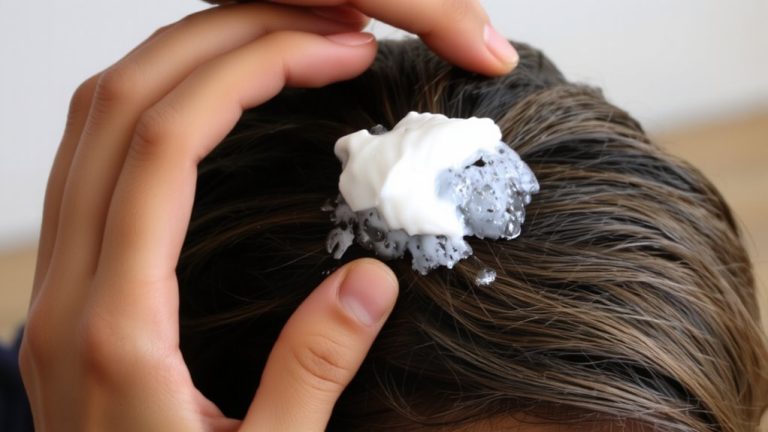
That waxy layer on your scalp isn’t just leftover styling product-it’s a clear sign something’s off. Scalp buildup forms when excess sebum, product residue, and dead skin mix, leading to a greasy scalp, waxy flakes, and dull hair. You might notice white or yellowish flakes clinging tightly to your scalp-unlike dandruff, they don’t brush away easily. Persistent scalp itchiness often follows, caused by inflammation and irritation from trapped bacteria. An unpleasant scalp odor can also develop as microbes feast on oil-rich debris. Hair loses shine and volume, feeling flat no matter how often you wash.
| Symptom | Appearance | Common Trigger |
|---|---|---|
| Waxy flakes | Clumped, yellowish | Excess sebum + silicones |
| Greasy scalp | Oily roots within 24 hours | Overactive sebaceous glands |
| Scalp itchiness | Redness, irritation | Inflammation from buildup |
How to Remove Scalp Buildup Safely: 5 Expert Methods
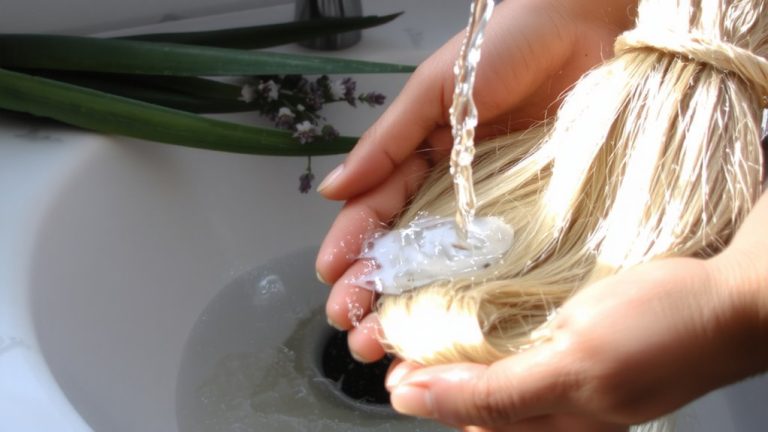
Most people need just one weekly session with a clarifying detox shampoo to dissolve stubborn scalp buildup and restore freshness, and you’re likely no different. This shampoo cuts through sebum buildup, hard water minerals, and residue from heavy styling products-skip sulfates, though, since they can over-strip and disrupt your scalp’s pH balance. Follow with an apple cider vinegar rinse (diluted 1:1 with water) to gently clarify and brighten hair while resetting pH. Pair it with weekly scalp exfoliation using a gentle scalp scrub containing salicylic acid to dissolve dead skin cells and prevent clogged follicles. Salicylic acid penetrates oil effectively, so it’s ideal if you use waxes or silicones. Massage thoroughly, ensuring even coverage and complete rinse-out. Consistency matters more than intensity-regular, gentle care clears buildup without irritation.
How to Prevent Scalp Buildup Long-Term
You’ve cleared the gunk, now let’s keep it that way. To prevent scalp buildup long-term, wash every 1–3 days with a sulfate-free shampoo that removes residue while preserving natural oils. Use a clarifying shampoo weekly to cut through silicones, hard water minerals, and environmental pollutants-many even have built-in indicators to confirm cleansing. Minimize heavy products with petroleum or non-water-soluble silicones that leave greasy film. Try a weekly apple cider vinegar rinse (diluted 1:1) to balance scalp’s pH and deter microbial growth. This gentle acid also helps remove trace buildup without stripping. For deeper maintenance, consider weekly exfoliation to clear dead skin and product residue. Protect your scalp daily by wearing hats or using products with “invisible barrier” tech that block pollutants. Stick to these steps, and you’ll maintain a clean, healthy scalp with consistent, noticeable results.
When Scalp Buildup Won’t Go Away: See a Dermatologist
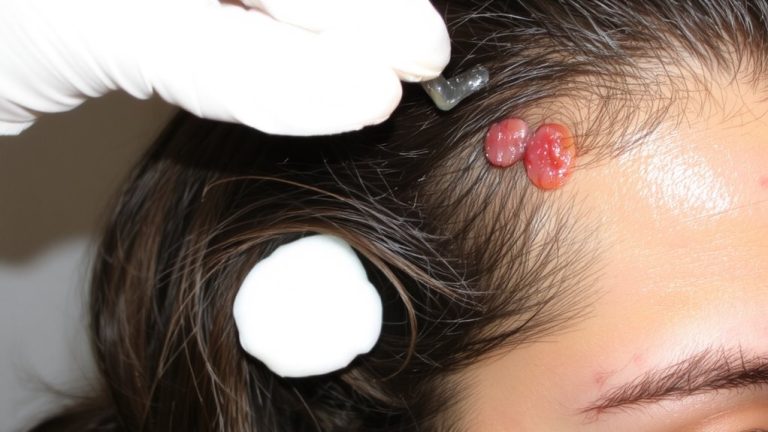
Why does your scalp still feel coated, flaky, or itchy even after weekly clarifying washes and gentle exfoliation? Persistent scalp buildup could signal an underlying issue like seborrheic dermatitis, psoriasis, or scalp eczema. Over-the-counter remedies with salicylic acid might help, but if they don’t, it’s time to see a dermatologist. They can use dermatoscopy or perform a scalp biopsy to rule out a fungal infection or other conditions. Left untreated, chronic inflammation may lead to temporary hair thinning. A dermatologist can prescribe stronger solutions-like topical corticosteroids to reduce swelling or antifungal agents if microbes are to blame. If you have sensitive skin or react to common exfoliants, professional guidance prevents further irritation. Don’t guess-get a clear diagnosis and targeted treatment plan. Your scalp’s health is worth it.
On a final note
You’ve got the tools to tackle scalp buildup safely and effectively, so don’t ignore flaking, itching, or residue from styling products. Use a clarifying shampoo every 7–10 days, try scalp scrubs with fine exfoliants like salicylic acid, and rinse thoroughly with lukewarm water. Silicone-free conditioners prevent repeat buildup. Real testers saw results in 2 weeks. Stay consistent, and your scalp-and hair-will feel clean, balanced, and ready to thrive.