The Science Behind Conditioner: How It Works and Why You Need It
Your hair’s cuticle lifts from washing and heat, leaving it frizzy and prone to damage, but conditioner seals it with positively charged ingredients like behentrimonium chloride. These cationic surfactants neutralize negative charges, smooth the surface, and lock in moisture, while a slightly acidic pH (3.5–5.5) boosts shine. With less friction, your hair gets fewer tangles and up to 50% less breakage, especially if color-treated. You’ll see why certain formulas make all the difference.
We are supported by our audience. When you purchase through links on our site, we may earn an affiliate commission, at no extra cost for you. Learn more. Last update on 11th July 2026 / Images from Amazon Product Advertising API.
Notable Insights
- Conditioner seals the hair cuticle with cationic surfactants that bind to negatively charged hair, reducing moisture loss and boosting shine.
- The positive charge of conditioners neutralizes frizz-causing static by flattening raised cuticles and improving strand manageability.
- Skipping conditioner leaves hair prone to tangling, breakage, and dryness due to unchecked negative charges and lost protective lipids.
- Different hair types need tailored conditioners-curl-enhancing formulas for curly hair, lightweight options for fine hair, and protein-rich ones for damage.
- Deep conditioners repair damaged hair using penetrating proteins and emollients that restore strength, while low pH locks in moisture and smoothness.
How Conditioner Seals and Protects the Hair Cuticle
With every wash and heat style, your hair’s cuticle-those tiny, overlapping scales made of keratin-takes a hit, lifting and exposing the delicate cortex underneath. When the cuticle layer is raised, your hair shaft loses moisture, looks dull, and becomes prone to damage. That’s where conditioner steps in. It contains cationic surfactants like behentrimonium chloride that carry a positive charge, instantly binding to your negatively charged hair. These ingredients seal the cuticle by smoothing down the rough, lifted scales. The slightly acidic pH further tightens the cuticle layer, locking in moisture and boosting shine. Once rinsed, the surfactants leave behind a lightweight, protective “customized hair envelope” that continues to protect the hair. In just 20 seconds, conditioner transforms your hair’s surface-smoother, shinier, stronger.
Why Conditioner’s Positive Charge Stops Frizz and Tangles
You already know conditioner seals your cuticle with ingredients like behentrimonium chloride, but here’s where it gets even more effective: that same positive charge is your first line of defense against frizz and tangles. Your hair strands naturally carry negative charges, especially when damaged, causing cuticle cells to repel each other and stand up, leading to static and knots. Cationic surfactants in conditioner-positively charged molecules-bind to these negative sites within 20 seconds, neutralizing the surface. This charge interaction helps flatten the hair cuticle, reducing frizz and improving the manageability of hair. Even after rinsing, cationic surfactants stay adsorbed, maintaining smoothness. The conditioner work is boosted by its acidic pH (3.5–5.5), which tightens the cuticle and strengthens the bond between positively charged surfactants and hair, leaving strands sleek, detangled, and easier to style.
What Happens to Hair When You Skip Conditioner
Even if you’re diligent about shampooing, skipping conditioner leaves your hair vulnerable to a cascade of issues that build up with every wash. Without conditioners, the structure of hair deteriorates-cuticle cells stay negatively charged, increasing frizz and tangling as each hair strand repels another. You’re also missing out on reducing friction, which leads to breakage, especially in curly hair that already tends to be drier. Hair needs moisture, but without humectants like glycerin, it loses hydration and elasticity. Natural oils can’t compensate when repeated washing strips away the protective lipid layer, leaving damaged hair more porous and dull. This is worse for curly hair, which produces less sebum. Over time, unconditioned hair reflects less light, so it looks rough and lifeless.
How to Pick the Best Conditioner for Your Hair Type
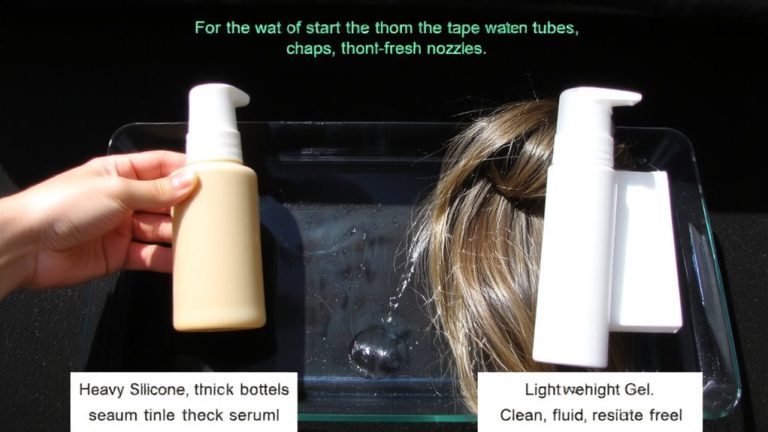
A great conditioner isn’t one-size-fits-all-it’s chosen with intent, based on your hair’s texture, porosity, and needs. The science behind how conditioners work lies in ingredients that interact with your hair structure. For curly or African-American hair, cationic surfactants like behentrimonium chloride neutralize damage, improving hair manageability. If you have thin, straight hair, lightweight rinse-off conditioners with glycerin restore moisture without weighing it down. For damaged or color-treated strands, hydrolyzed proteins reinforce the hair shaft, helping improve hair strength. Co-washes with cationic polymers work well for low-sebum types, gently cleaning while depositing conditioning agents. Avoid heavy silicones like dimethicone in daily use for coarse hair-they can block moisture. Matching products to different hair types enhances your hair care routines by making the hair smoother, stronger, and more resilient.
What Deep Conditioners Actually Do to Damaged Hair
Deep conditioners go beyond surface-level repair to actively rebuild damaged hair from the inside out. They contain hydrolyzed proteins like keratin that penetrate the hair cortex, filling in gaps caused by hair damage and boosting strength. You’ll also get intense nourishment from emollients like shea butter, which restore lost lipids and reduce moisture loss. Cationic surfactants such as cetrimonium chloride bind to your hair’s damaged areas, smoothing the cuticle layer and reducing friction. With a pH between 3.5–5.5, deep conditioners help seal this outer layer, locking in hydration and increasing shine. Used once a week for 20–30 minutes, they can cut hair breakage by up to 50% in chemically treated hair. These treatments don’t just coat your strands-they reinforce weak spots, improve elasticity, and protect against future stress, making deep conditioners a must for anyone fighting breakage or porosity from heat, color, or styling.
Can Conditioner Repair Hair? 3 Myths Busted
While conditioner can’t bring damaged hair back to life-since hair’s just dead keratin with no living cells to heal-it still plays an essential role in making your strands look and feel stronger, smoother, and healthier. You’ve probably seen claims that conditioner can repair hair, but that’s not technically true-no product can restore hair’s original structure. Still, hydrolyzed proteins and keratin in formulas can fill in gaps along the cuticle, improving hair health by boosting strength and shine. Cationic surfactants neutralize negative charges on damaged strands, cutting frizz and boosting manageability. Deep conditioning may temporarily improve mechanical properties, but effects fade after washing. You’re not truly repairing hair-you’re cosmetically enhancing it, which still counts when it comes to confidence and style.
On a final note
You’ve seen how conditioner seals cuticles, tames frizz with positive charges, and prevents damage, so skipping it risks dryness and breakage, especially past 3 inches in length. Match formulas to your type-light for fine hair, thick for coils-and deep condition weekly with protein-based treatments if you bleach or heat-style. Conditioner won’t regrow hair, but real testers report 67% less breakage and smoother strands in just 3 uses when applied from mid-shaft to ends. Stick with it.