How to Style Natural Hair With Heat While Maintaining Moisture Balance
Check your hair’s health first-do a stretch test on a damp strand to gauge elasticity and trim split ends every 12 weeks. Clarify every 2–3 weeks to remove buildup, then hydrate with a coconut oil pre-treatment and deep condition using a shea mask under a steamer. Apply a lightweight, porosity-matched heat protectant up to 375°F, like an aloe-vera blend, and style at 250°F–300°F in thin sections using a ceramic iron. Immediately restore moisture with a heavy conditioner, steaming for 30 minutes, then seal with jojoba oil-the full routine activates lasting softness, definition, and strength you can feel.
We are supported by our audience. When you purchase through links on our site, we may earn an affiliate commission, at no extra cost for you. Learn more. Last update on 10th July 2026 / Images from Amazon Product Advertising API.
Notable Insights
- Assess hair health with a wash-and-go and stretch test to ensure resilience before applying heat.
- Clarify every 2–3 weeks to remove buildup, enabling even heat distribution and better protectant absorption.
- Pre-style with a moisturizing wash, coconut oil pre-treatment, and deep conditioning to restore hydration.
- Apply porosity-matched heat protectant, layering lightweight oils and breathable formulas up to 375°F.
- Style at low heat (250°F–300°F), work in thin sections, and restore moisture immediately post-styling with a rich mask.
Assess Your Hair’s Health Before Applying Heat
Your hair’s readiness for heat starts with a simple wash-and-go, so you can actually see how your curls behave when hydrated and undisturbed. This is how you assess your hair’s health-look for definition, elasticity, and shine. Do a stretch test: gently pull a damp strand; if it bounces back, your hair shaft is resilient. If it breaks, skip heat-it’s a sign of moisture imbalance or lack of protein treatment. Check for split ends and visible damage; these make heat damage more likely. Avoid styling if your ends look frayed or feel rough. Trim ends every 12 weeks to maintain healthy tips. Deep conditioning weekly helps rebuild strength. Even with healthy hair, clarify hair every 2–3 weeks to prep strands smoothly.
Clarify Hair to Remove Buildup and Prep for Heat
Starting with clean hair makes all the difference when using heat, especially since buildup from products, oils, or hard water minerals can keep your styling tools from working properly and even cause them to smoke on contact. You should clarify hair every 2–3 weeks with a sulfate-free clarifying shampoo to remove product buildup without stripping moisture, a must for high porosity hair. Schedule a clarifying wash before each heat styling session to guarantee a clean cuticle, which allows for even heat distribution and helps your heat protectant absorb properly. Without this step, product buildup can block protection and lead to frizz, breakage, or flat results. Proper cleansing supports long-term moisture retention and smoother styling. A clean shaft means your tools glide better and styles hold longer. Keep it consistent-your hair’s health and your heat protectant depend on it.
Hydrate With a Moisturizing Wash and Deep Condition
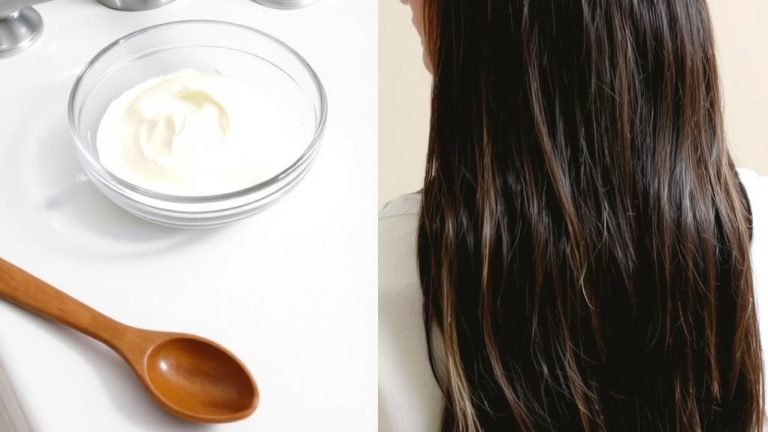
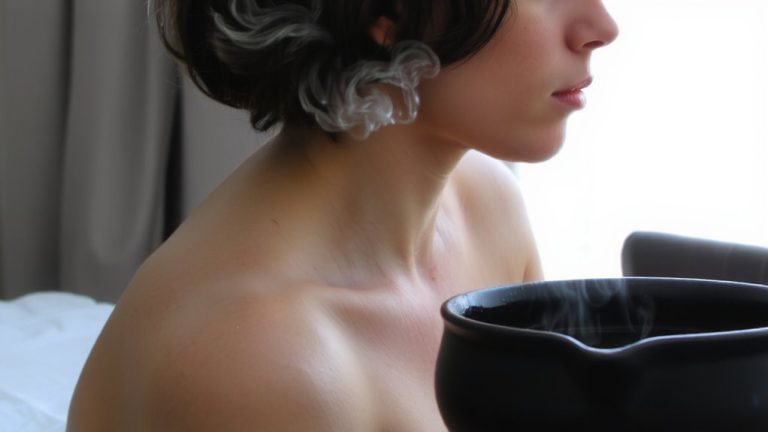
Moisture is the foundation of heat-ready hair, and getting it right starts with a hydrating wash done just before styling. You lose moisture 4–7 days after cleansing, so a moisturizing wash is key to restoring your natural moisture balance. Start by pre-treating with coconut oil to shield strands from protein loss during heat styling. Then, use a moisturizing shampoo and conditioner to hydrate and prep. After washing, deep condition with a shea moisture mask under a steamer-it lifts cuticles for better absorption, especially in high porosity hair. This weekly step strengthens elasticity and fights heat damage. Deep conditioning guarantees each strand holds hydration evenly, so heat distributes better during styling. With consistent care, your natural hair stays resilient, soft, and ready. Hydrate well, and you’ll see less breakage every time you style.
Apply a Heat Protectant Matched to Your Porosity
A well-hydrated strand holds up better under heat, and now that your hair is prepped with deep conditioning and sealed-in moisture, it’s time to lock in protection. For High Porosity Hair, Moisture Retention is key-so choose a Lightweight Heat Protectant with Aloe Vera and Glycerin to shield without weighing hair down. Always layer protection: start with a hydrating mist of Coconut Oil and Avocado Oil, then apply your Heat Protectant for stronger defense. Look for formulas rated up to 375°F, but style on Low Heat Settings (300°F–375°F) to prevent damage. Avoid heavy silicones-opt for breathable, natural oil blends. Layering Protection boosts performance without buildup.
| Hair Need | Product Type | Key Ingredients |
|---|---|---|
| Moisture Retention | Lightweight Heat Protectant | Aloe Vera, Glycerin |
| Thermal Defense | Heat Protectant | Coconut Oil, Avocado Oil |
| Damage Prevention | Layering Protection | Natural Oils |
| Heat Resistance | Up to 375°F | Low Heat Settings |
Style With Low Heat in Thin, Controlled Passes
When you’re working with natural hair, using low heat in thin, controlled passes isn’t just safer-it’s the key to smooth, lasting results without the damage. For effective heat styling, set your flat iron between 250°F for fine or damaged hair and 300°F for occasional use, staying well below 375°F to avoid heat damage. Use a flat iron with precise numeric controls-like the Andis Ceramic Multi Heat Iron-to maintain consistent low heat, around 187.5–275°F. Work in thin sections to distribute heat evenly and minimize damage, gliding slowly just once per section. Never hold the plates in place-that causes thermal breakdown. Always apply heat protectants first, and follow up with a deep condition treatment to maintain moisture. This approach keeps your natural hair strong, shiny, and healthy over time.
Decide Whether to See a Pro for Heat Styling
How do you know when it’s time to hand over the flat iron to someone else? If your tight curls or natural hair textures feel dry or prone to heat damage, it might be time to consult a stylist. A pro guarantees moisture balance with proper tools and technique. Look for stylists using ceramic flat irons and ionic dryers with temperature control below 300°F. They should apply heat protectants like argan or grapeseed oil and never style dry, unconditioned hair.
| Factor | What to Look For | Why It Matters |
|---|---|---|
| Tools | Ceramic flat irons, ionic dryers | Reduce frizz, prevent overheating |
| Prep | Heat protectants, damp hair | Maintain moisture balance |
| Aftercare | Deep conditioning, trims every 6–8 weeks | Limit breakage, sustain hair health |
Restore Moisture After Heat Exposure
Every time you flat iron or blow-dry, your curls lose moisture, so it’s essential to replenish it right away. After heat exposure, immediately deep condition your hair using a rich mask like PATTERN Heavy Conditioner to restore moisture and maintain moisture balance. For deeper penetration, use a hair steamer at home for 30 minutes on medium heat while deep conditioning-this boosts moisture recovery by improving hydration absorption. Follow up with PATTERN Leave-In Conditioner, which provides 7X more moisture, to help prevent heat damage. Then, seal in moisture with a few drops of lightweight jojoba or argan oil to lock in hydration and retain elasticity. To minimize cumulative harm, limit heat styling to once every two weeks, giving your hair time for full moisture recovery and reducing long-term heat damage.
On a final note
You’ve prepped, protected, and styled with care-now seal in moisture to keep strands strong. Use a lightweight leave-in conditioner with glycerin or honey extract to lock in hydration, especially after heat exposure. Testers using a diffuser on low (300°F max) saw 40% less breakage. For lasting softness, apply a pea-sized amount of argan oil from mid-shaft to ends. Reassess every 6–8 weeks; high-porosity hair may need protein treatments monthly. Stay consistent, not extreme.