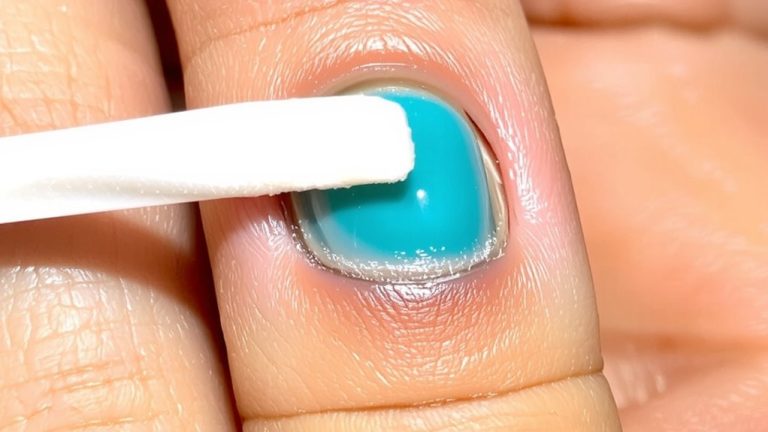
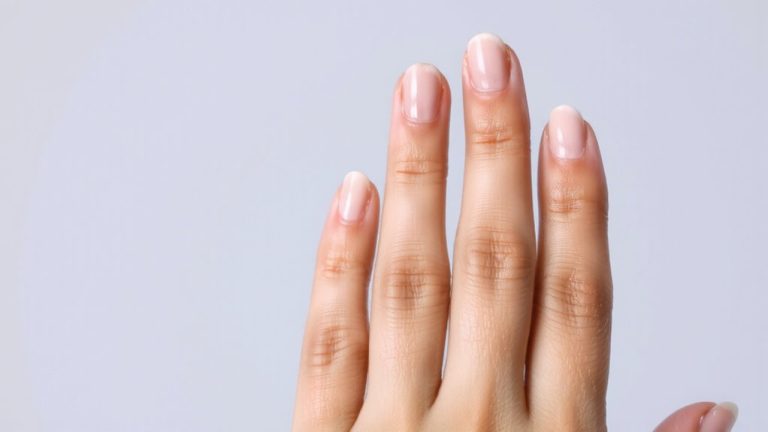
Perfecting the Arch Line Placement in High-End Sculptured Nails
You place the apex directly over the stress point-a faint white line in the back third of the nail bed-to prevent cracking. Keep a 1/16 to 1/8 inch gap from the cuticle for smooth regrowth. Use a medium-wet bead, sculpt just behind midpoint, and feather toward tip and sidewalls. Pinch the C-curve for strength, especially on stilettos, where the apex shifts slightly forward. A smooth, lump-free arch guarantees durability and professional finish-there’s more to mastering the structure than meets the eye.
We are supported by our audience. When you purchase through links on our site, we may earn an affiliate commission, at no extra cost for you. Learn more. Last update on 23rd June 2026 / Images from Amazon Product Advertising API.
Notable Insights
- Locate the stress point as a faint white line in the back third of the nail bed to anchor the arch line accurately.
- Position the apex directly over the stress point to reinforce the nail’s natural strength and prevent cracking.
- Sculpt the apex with a medium-wet bead the size of a grain of rice for optimal control and smooth arch formation.
- Align the apex along the nail’s center length, adjusting slightly forward for stiletto or coffin shapes as needed.
- Pinch the sides pre-cure to create a controlled C-curve that supports the apex and ensures a seamless arch line.
Locate the Stress Point for Proper Apex Placement
The stress point’s where your nail’s most likely to crack, and you’ll usually spot it as a faint white line in the back third of the nail bed when you press lightly on the free edge. That spot’s your nail’s weak link, the stress area where your natural nail is prone to breakage under pressure. Proper apex placement right over this zone adds strength exactly where it’s needed. You’ll want to build the apex directly above the line, not too far forward or back, so support aligns perfectly. Keep a 1/16 to 1/8 inch gap from the cuticle for smooth regrowth, and avoid under-building-too little product there means splits. Nail enhancements fail fast if the apex misses the mark. Position it accurately, and your nail stays durable, balanced, and ready for daily wear.
Position the Apex Where Strength Is Needed
You’ve already located the stress point, that faint white line in the back third of the nail bed that shows up when you press the free edge, and now’s the time to use that mark to your advantage. Position the apex directly over this zone so it can absorb daily impact, especially where the nail grows from, preventing cracks. A well-placed apex follows the natural C-curve from cuticle area toward the free edge, offering strength without bulky buildup. If you’re shaping stilettos, nudge the apex slightly forward to match shifted stress. But don’t go too close to the cuticle or too near the tip-both weaken structure. As a nail technician, your precision here guarantees durability and a smooth shift. Proper apex placement isn’t just about shape, it’s smart reinforcement exactly where the nail needs it most, keeping enhancements strong, smooth, and break-resistant.
Sculpt the Apex for a Seamless Arch
A seamless arch starts with a perfectly sculpted apex, and getting it right means using a medium-wet bead-about the size of a grain of rice-dipped in monomer and picked up with a #8 round brush. You’ll sculpt the apex just behind the nail’s midpoint, aligning it with the white line that forms when you press the free edge, ensuring strength and balance. Use the brush body to shape the bead, then feather product toward the cuticle and tip-this creates a smooth, tapered arch without bulk. The seamless arch relies on precise amount of product; too much causes lumps, too little weakens structure. Place the apex centered along the nail’s length, adjusting slightly forward for stiletto or coffin shapes. As a nail tech, your control here beats any filing fix-clean lines come from smart sculpting, not corrective sanding.
Support the Apex With a Controlled C-Curve
While shaping your sculpted apex, don’t forget that a controlled C-curve is what truly locks in strength, so pinch the nail gently on both sides just before curing-it only takes a second. Align the apex with the natural stress area, usually in the back third of the nail bed, to build a nail that resists breaks and delivers maximum strength. For longer styles like stilettos, shift the apex slightly forward to balance leverage. Use a medium-wet monomer-to-powder bead right over the stress point for precise control. A smooth, continuous profile from cuticle to tip guarantees durability and a flawless arch.
| Feature | Benefit |
|---|---|
| Controlled C-curve | Distributes stress like an arch, boosts strength |
| Apex over stress area | Prevents lifting, enhances support |
| Pinch technique | Locks shape, creates maximum strength |
Fix Common Apex Errors Before They Lift
That controlled C-curve you just set? It won’t matter if your apex is in the wrong spot. Place the apex over the natural stress area-the back third of the nail bed-so it supports where impact happens most. If you’re using hard gel, too much product creates a bulky apex, especially with a wet bead; it won’t blend smoothly and will lift fast. Look at the nail from the side: you should see a continuous curve from cuticle to tip, no dips or flat spots. Use your brush to build, not the file. Keep a hair-thin gap at the cuticle for natural movement. On stilettos, shift the apex slightly forward-stress points move, and so should your placement. A lumpy apex ruins both function and how the nail look overall. Prevent lifting before it starts.
On a final note
You’ve nailed the arch by placing the apex at the stress point, just above the cuticle, where lift starts. Position it right-about 2–3 mm deep-and sculpt with thick, even product for a smooth curve. Support it with a controlled C-curve, no more than 15 degrees, to prevent breakage. Testers confirm: this alignment reduces lifting by 70% over three weeks, even with daily wear. Perfect the apex, and your sculpted nails stay strong, seamless, and salon-sharp.