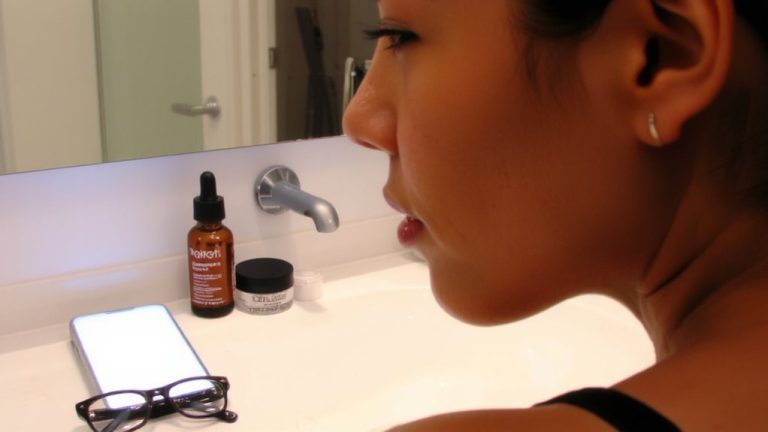
Moisturizing for Diabetic Skin Prone to Cracking and Slow Healing
Diabetes dries your skin by weakening its barrier, reducing sweat, and slowing healing, so use fragrance-free moisturizers with ceramides, glycerin, or 10%–25% urea twice daily, like Eucerin Diabetics’ Dry Skin Relief or Gold Bond Ultimate. Apply within 3 minutes of bathing, avoid toes, and lock in moisture with petroleum jelly and cotton socks overnight. Skip “unscented” products and underpowered lotions-your skin needs proven ingredients to stay resilient and protected, and there’s more to get right.
We are supported by our audience. When you purchase through links on our site, we may earn an affiliate commission, at no extra cost for you. Learn more. Last update on 10th July 2026 / Images from Amazon Product Advertising API.
Notable Insights
- Use fragrance-free, dye-free moisturizers with ceramides, glycerin, or shea butter to restore the skin’s barrier.
- Apply moisturizer within 3 minutes of showering or washing to lock in moisture effectively.
- For cracked heels, use a urea-based cream (10%–25% urea) nightly to soften and heal dry, fissured skin.
- Avoid moisturizing between toes to prevent fungal infections due to trapped moisture.
- Wear cotton socks overnight after applying petroleum jelly or urea cream to boost hydration and healing.
Why Diabetes Dries Out Your Skin
When your blood sugar stays high over time, it weakens your skin’s natural barrier, so moisture escapes more easily and leaves your skin feeling tight and rough. As a diabetic, your body struggles to retain hydration due to nerve damage that reduces sweating, depriving skin of natural oils. Poor circulation from diabetes slows healing dry skin by limiting oxygen and nutrients. High glucose also forms AGEs that break down collagen, making skin thin and prone to cracking. These factors combine to increase dry, itchy patches-common skin issues you can’t ignore. Daily care is essential, especially on legs and feet. Managing blood sugar helps, but consistent moisturizing matters too. This isn’t just cosmetic-it’s medical skin care. Treating dry skin early prevents complications, supporting healthier, more resilient skin over time.
Pick the Best Moisturizer for Diabetic Skin
You’ve already learned how high blood sugar breaks down your skin’s defenses, leaving it dry, tight, and vulnerable-especially on your legs and feet-so choosing the right moisturizer isn’t about luxury, it’s about repair and protection. Pick a fragrance-free moisturizer labeled dye-free to avoid irritation. Look for key ingredients like ceramides, glycerin, and shea butter-they rebuild your skin barrier and prevent moisture loss in diabetic skin. Products like Eucerin Diabetics’ Dry Skin Relief Body Lotion include ceramide 3 and alpha hydroxy acids to soothe and hydrate effectively. For stubborn dryness or cracked heels, use moisturizers with 10% to 25% urea, such as Gold Bond Ultimate Diabetics’ Dry Skin Relief, which testers found softens rough patches quickly. Avoid “unscented” labels-these may hide irritating fragrances. Stick to formulas proven safe, effective, and specifically designed for diabetic skin to keep your skin resilient and protected every day.
When to Apply Moisturizer for Dry Skin
Since your skin loses moisture quickly-especially with diabetes-it’s smart to seal in hydration the moment you step out of the shower or finish swimming, ideally within 3 minutes while your skin’s still damp. This is the best *when to apply moisturizer* for dry skin, helping prevent cracked skin and supporting areas prone to slow healing. Use a fragrance-free cream with glycerin or ceramides daily, right after washing hands or checking glucose. For extra dry spots, a urea-based cream (10% to 25% urea) works well at night. Avoid applying moisturizer between toes to prevent fungal issues. Reapply throughout the day if skin feels tight or itchy. On very dry heels, layer with petroleum jelly after your cream for deeper moisture. Stick to gentle, effective routines-your skin with diabetes needs consistency, not complexity.
Heal Cracked Heels Overnight
Cracked heels are a common challenge for people managing diabetic skin, but treating them overnight can make a big difference in healing and comfort. For effective overnight healing, apply a urea-based cream with urea 10% to 25% right after bathing-within 3 minutes-to lock in moisture and soften dry skin. Follow with a layer of petroleum jelly to seal everything in, then slip on clean cotton socks to boost absorption and reduce friction. This nightly routine supports diabetes skin care by addressing slow healing and preventing infection.
| Step | Product/Action |
|---|---|
| 1 | Apply urea-based cream (urea 10% to 25%) |
| 2 | Layer on petroleum jelly |
| 3 | Wear cotton socks overnight |
Repeat daily until cracked heels fully heal. Consistent moisturizing is key.
Don’t Make These Moisturizing Mistakes
While keeping diabetic skin hydrated might seem straightforward, skipping small details can undo your efforts, so it’s essential to avoid common missteps that compromise skin health. Don’t moisturize between your toes-it traps moisture and invites fungal growth. “Unscented” isn’t always safe; opt for truly fragrance-free formulas to protect sensitive, slow-healing skin. Skip lotions missing key ingredients: ceramides, glycerin, and shea butter are vital for repairing the barrier and preventing dry skin and cracking. Apply moisturizing cream twice daily, not just once-notably after bathing when skin absorbs best. For stubborn heel fissures, use a product with 10–25% urea; it’s proven to soften thick, dry skin fast. Real testers saw results overnight with consistent use. Small adjustments make a big difference in preventing complications and keeping skin resilient, smooth, and protected day after day.
On a final note
You’ve got this: use a thick, fragrance-free moisturizer like CeraVe or Eucerin twice daily, especially after showers. Apply within 3 minutes of drying off to lock in moisture. Avoid lotions with alcohol or heavy fragrances. Focus on heels and dry spots-slather on Aquaphor at night and wear cotton socks. Testers saw softer skin in 3 days, healed cracks in 2 weeks. Consistency beats fancy products every time.