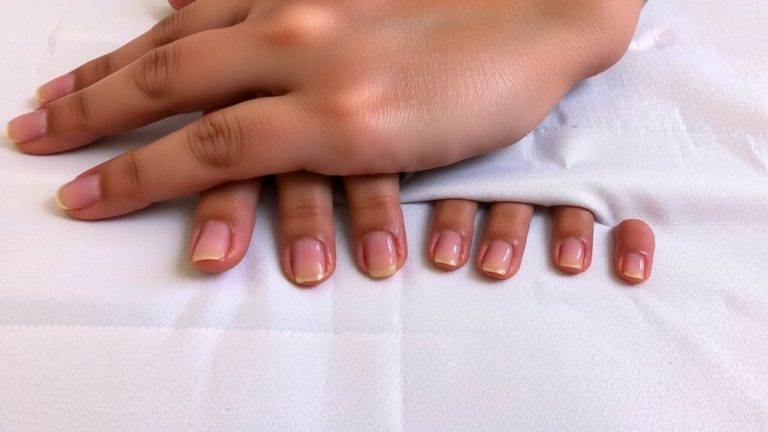
Spot-Treating Green Nail Syndrome Caused by Pseudomonas Bacteria
You can spot-treat green nail syndrome by applying gentamicin 0.3% solution-just 1–2 drops twice daily-directly to the discolored edge under acrylics or lifted nail, where Pseudomonas thrives in moist pockets. Pair this with twice-weekly 5% acetic acid soaks to lower recurrence risk. Keep nails dry, disinfect with 91% alcohol, and use gloves during wet work. Consistent topical use clears infection in 3–6 weeks, especially when treatment starts early. More tips help you target stubborn cases and protect surrounding nail health.
We are supported by our audience. When you purchase through links on our site, we may earn an affiliate commission, at no extra cost for you. Learn more. Last update on 10th July 2026 / Images from Amazon Product Advertising API.
Notable Insights
- Apply gentamicin 0.3% topically, one to two drops twice daily, as a first-line treatment for localized infection.
- Use ciprofloxacin eye drops twice daily off-label to target Pseudomonas in the affected nail area.
- Soak the nail in 5% acetic acid or vinegar solution twice weekly to inhibit bacterial regrowth.
- Keep the infected nail completely dry to eliminate moisture that supports Pseudomonas proliferation.
- Disinfect the nail surface daily with 91% alcohol or diluted acetic acid to reduce bacterial load.
How Pseudomonas Causes Green Nail Infections
While you might not think twice about a little discoloration under your nails, that greenish tint is usually a clear sign of Pseudomonas aeruginosa at work, and it’s more common than you’d guess-especially if you wear artificial nails. The pseudomonas bacteria produce pyocyanin and pyoverdine, pigments that mix to create the telltale green discoloration. When moisture gets trapped between the nail plate and acrylics or press-ons, moist environments form, letting bacteria invade the nail bed. This bacterial infection often starts at the edge of the nail, especially if onycholysis is present-lifting creates space for germs. One study found onycholysis in 80% of Green Nail Syndrome cases, proving how vital intact nail structure is. Whether from dip powder misuse or prolonged wetness, pseudomonas aeruginosa thrives where water lingers, turning a small gap into a full-blown stain.
How to Tell if You Have Green Nail Syndrome?
If you notice a greenish tint creeping in at the edge of your nail, especially under an acrylic or gel overlay, it’s likely Green Nail Syndrome caused by *Pseudomonas aeruginosa*. This green nail discoloration comes from bacterial pigments-pyocyanin (blue) and pyoverdine (green-yellow)-produced in moist areas under the nail. You might also see onycholysis, where the nail lifts, creating nail plate separation that traps bacteria. Unlike bruises or melanonychia, the stain won’t move up as the nail grows. A key sign is yellow-green fluorescence when you shine a Wood’s lamp on it. That glow, combined with the distinct color and history of water exposure or nail damage, points straight to *Pseudomonas aeruginosa*. No pain doesn’t mean it’s harmless-this infection thrives silently, especially in hands frequently in water, gloves, or artificial nails.
Treat Green Nail Syndrome With Topical Antibiotics
| Treatment | Application | Notes |
|---|---|---|
| Gentamicin 0.3% | 1–2 drops, twice daily | First-line topical antibiotic |
| Neomycin + Polymyxin B + Gramicidin | Twice daily | Effective for superficial pseudomonas |
| Ofloxacin 0.3% | Twice daily | Strong fluoroquinolone option |
| Ciprofloxacin eye drops | Twice daily | Repurposed with strong antipseudomonal activity |
| Sodium sulfacetamide or 4% thymol | Topical use | Alternative if antibiotics aren’t tolerated |
These options treat green nail syndrome and reduce nail discoloration from bacterial infections.
Prevent Pseudomonas Nail Infection From Returning
Since moisture is the main culprit behind recurring Pseudomonas infections, keeping your nails fully dry before applying any dip powders or press-on enhancements is essential-this slippery bacterium thrives in damp spaces, and even a few lingering drops of water trapped underneath can spark a relapse. Preventing future infections means disinfecting nail surface with 91% alcohol or a 1:4 acetic acid solution to stop bacterial contamination. Always use disposable tools once, then toss them-reusables can harbor Pseudomonas even after cleaning. Keep nails short during recovery to reduce lifting and moisture buildup. For daily protection, wear gloves during dishwashing; studies show 80% of pseudomonas nail infections are tied to wet work. Try vinegar soaks twice weekly-each using 5% acetic acid-to maintain a hostile environment for bacteria. Staying consistent with keeping nails dry slashes your risk for developing Green Nail Syndrome again.
On a final note
You’ve got this: treat green nail syndrome with a topical antibiotic like bacitracin or polymyxin B, applied twice daily for 2–4 weeks, while keeping nails dry and trimmed to 1/16 inch. Avoid prolonged water exposure, and wear cotton-lined gloves during chores. Use an antifungal nail polish like ciclopirox if recommended. Real users saw improvement in 7 days. Stay consistent, and prevent recurrence with daily moisture control and breathable nail products.