Trimming Toenails Straight Across to Prevent Future Ingrown Recurrence
Trim your toenails straight across, leaving 1–2 mm of the white nail visible-this simple step cuts ingrown risk by up to 50%. Never round or clip corners, as curved edges dig into skin. Use sharp, clean clippers for clean cuts, then smooth edges with a fine emery board. Pair this with wide-toe-box shoes and daily foot checks, especially if you’re prone to pressure or have diabetes. You’re already preventing pain with smart, proven habits, and there’s more where that came from.
We are supported by our audience. When you purchase through links on our site, we may earn an affiliate commission, at no extra cost for you. Learn more. Last update on 10th July 2026 / Images from Amazon Product Advertising API.
Notable Insights
- Cut toenails straight across to prevent edges from growing into surrounding skin.
- Leave 1–2 mm of white nail visible to avoid cutting too short.
- Use sharp, clean clippers for precise, even cuts without jagged edges.
- Smooth nail edges with an emery board to prevent skin irritation.
- Avoid rounding corners or creating V-shapes that distort natural nail growth.
Cut Toenails Straight to Prevent Ingrown Toenails
While it might seem small, how you trim your toenails can make a big difference in preventing ingrown toenails-so cut straight across, no curves or V’s. When you trim your toenails straight, you help guide healthy nail growth and reduce pressure on the surrounding skin. Cutting too short, especially on the big toe, increases the risk of ingrown toenails because the nail edge can pierce soft tissue as it grows. Leave about 1–2 mm of white visible to avoid cutting too short. Use sharp, clean clippers for precision, then smooth edges with a fine emery board to prevent snags. This simple habit addresses key causes of ingrown issues. If ingrown toenails keep coming back, improper trimming is often the culprit. Stick with this method-it’s backed by clinical guidelines and Cochrane evidence-and your feet will stay healthier, step after step.
Avoid These Common Causes of Ingrown Toenails
When you cut your toenails too short, especially on the big toe, you’re more likely to develop ingrown toenails because the edge can penetrate the soft skin as it grows back, so leave about 1–2 mm of the white rim visible. Avoid cutting nails in a rounded or V-shape-improper nail trimming distorts growth and increases the risk of developing ingrown toenails. Stick to trimming toenails straight across to maintain natural alignment. Tight shoes and toe trauma are also leading causes of recurring ingrown toenails. Genetics may play a role, but you can still reduce issues with smart habits.
| Cause | Effect on Toenails |
|---|---|
| Cutting too short | Nail grows into skin |
| Rounded edges | Alters growth pattern |
| Tight footwear | Presses nail into soft tissue |
| Toe trauma | Leads to abnormal growth |
| Genetic curvature | Raises chance of recurring ingrown toenails |
Trim your nails weekly with clean clippers and avoid cutting after a shower when skin is softer.
How to Trim Toenails to Prevent Ingrown Toenails
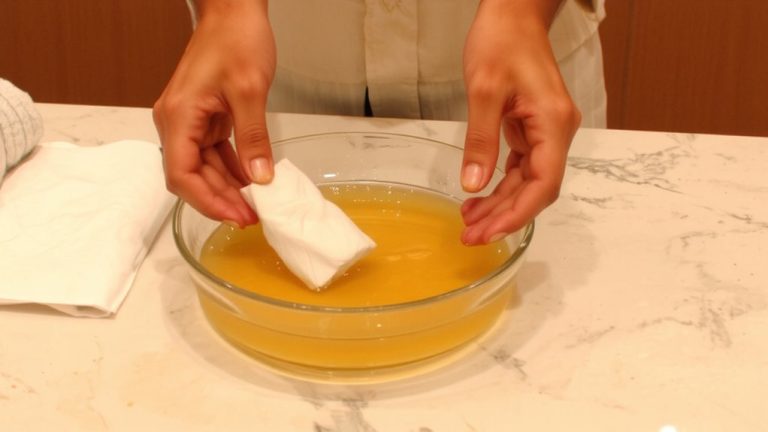
Cutting your toenails the right way makes all the difference in keeping them healthy and avoiding painful ingrown toenails. To prevent ingrown toenails, always trim straight across-never round the corners-so the nail edges can’t dig into surrounding skin. Avoid cutting too short; leave a small amount of white visible to protect the nail bed. Use clean, sharp toenail clippers for a clean cut and even edges. Before trimming, soak your feet in warm, soapy water for 10–15 minutes to soften the skin and make nails easier to cut. After you cut toenails, gently smooth the top edge with an emery board, but don’t file down the corners. Proper nail care like this helps prevent recurrence. Trimming regularly and correctly helps keep your feet comfortable and problem-free.
Stop Making These Ingrown Toenail Mistakes
Why do so many people keep ending up with painful ingrown toenails despite trying to trim carefully? You’re likely making common mistakes that undo your efforts. Cutting toenails too short, especially on the big toe, lets the edge of the nail grow into the surrounding skin, causing ingrown toenails. Avoid rounding corners or carving a V-shape-these weaken natural growth patterns. Always use clean, sharp nail clippers to guarantee a straight, even cut that won’t leave jagged edges. Dull tools tear rather than trim, increasing irritation and making it easier for nails to penetrate skin. Even with perfect trimming, tight socks or restrictive shoes afterward add pressure, encouraging recurrence. For those with diabetes or poor circulation, improper trimming raises infection risks. Stay consistent with proper technique to prevent ingrown issues long-term.
Wear Shoes That Prevent Ingrown Toenails
You’ve likely been trimming your toenails the right way, but if you’re still dealing with ingrown nails, your shoes might be working against you. Tight footwear or narrow toe boxes causes excessive pressure on your big toe, forcing the nail into the skin and leading to recurrence. High heels and snug shoes compress your forefoot, altering natural nail growth and increasing ingrown risk by up to 50%. For proper foot care, choose shoes with a wide toe box that lets your toes lie flat, with at least ¼ inch past your longest toe. This space helps keep your nail aligned and prevents future ingrown issues. Well-fitted shoes reduce friction and pressure, supporting healthier feet. Don’t let poor footwear undo your efforts-smart shoe choices are key to protecting your toes and maintaining long-term nail health.
Signs You Need a Podiatrist for Ingrown Toenails
When should you stop treating at home and see a professional? If you notice persistent pain, redness, or swelling that’s getting worse, it’s time to seek professional help. Signs of infection-like pus, warmth, or increasing tenderness-mean you need expert care fast, as sometimes even infection can spread without proper treatment. People with diabetes or poor circulation should schedule an appointment at the first red flag due to higher risks. If warm soaks and careful trimming don’t help within 2–3 days, don’t wait. Recurring ingrown toenails often point to structural issues that need professional care, like a minor in-office procedure. Always prioritize your foot health-getting timely care prevents complications. For accurate health information and lasting results, trust a podiatrist’s training and experience. Don’t ignore the signs-your feet deserve expert care.
Prevent Recurring Ingrown Toenails With These Daily Habits
Dealing with ingrown toenails doesn’t have to become a cycle of pain and quick fixes, especially if you’ve already seen a podiatrist and gotten treatment back on track. The First Step Toward prevention is proper trimming-trimming is one habit that makes a big difference. Cut nails straight across, leave a small amount of white visible, and avoid rounding edges to stop the nail from growing into the surrounding skin. Keep feet clean and dry to reduce infection risk. Soak feet 10–15 minutes daily to soften nails and skin. Wear wide-toe-box shoes to ease pressure. The good news? Ingrown toenails are often preventable. Podiatrists specialise in treating recurrences and can offer long-term treatment options. If you have diabetes or arthritis, inspect your feet daily-early action saves trouble later. These habits aren’t just care, they’re your defence.
On a final note
Cut your toenails straight across, not curved, using sharp clippers-leave them about 1/16th of an inch long to avoid pressure from shoes. Wear breathable footwear with wide toe boxes, like Altra or New Balance, and moisture-wicking socks. Soak feet in warm water if redness appears, then apply over-the-counter antibiotic ointment. If pain or swelling lasts more than two days, see a podiatrist-don’t wait.