Restoring Elasticity to Aging Nails Prone to Spooning or Concavity
Your aging nails lose elasticity due to low iron, poor circulation, and slower matrix renewal. Fix this with 150–200 mg daily iron supplements, paired with vitamin C for absorption. Use urea-based creams and apply jojoba oil twice daily to boost hydration. Wear nitrile gloves with wet or chemical tasks, keep nails short and straight-trimmed. Consistent care shows improvement in 6–8 weeks, with better strength and reduced concavity. There’s more to optimizing nail health where timing, combo care, and medical checks align.
We are supported by our audience. When you purchase through links on our site, we may earn an affiliate commission, at no extra cost for you. Learn more. Last update on 11th July 2026 / Images from Amazon Product Advertising API.
Notable Insights
- Address underlying iron deficiency with 150–200 mg of iron daily to reverse koilonychia over 4–6 months.
- Enhance iron absorption by pairing supplements with vitamin C-rich foods like citrus or bell peppers.
- Apply urea-based moisturizers or lanolin after soaking nails to improve hydration and elasticity.
- Protect nails from chemicals and moisture by wearing nitrile or waterproof gloves during chores.
- Support keratin production with nutrients like zinc, copper, selenium, and sulfur-containing amino acids.
Why Do Spoon-Shaped Nails Develop With Age?
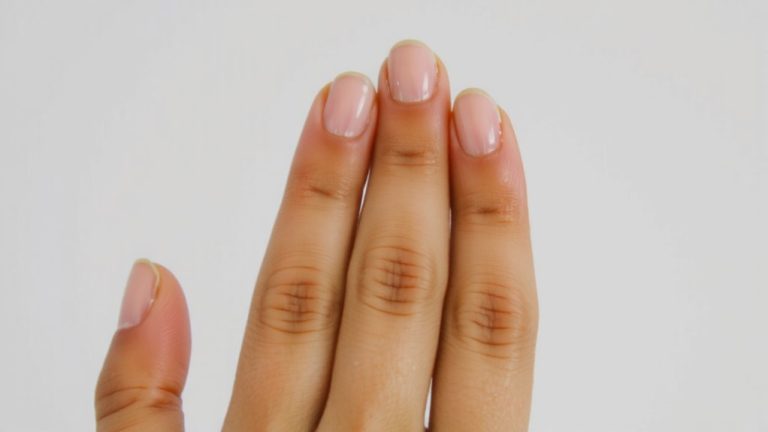
What causes your nails to take on a spoon-like curve as you get older? Age-related changes in your nail matrix, combined with declining iron levels, often point to iron deficiency anemia, a common underlying cause. As you age, conditions like celiac disease or hypothyroidism can impair nutrient absorption, weakening nails over time. Poor blood flow in peripheral areas, especially with diabetes or Raynaud’s, reduces oxygenation to the nail bed, encouraging concavity. Chronic kidney issues may also disrupt mineral balance, affecting nail structure. Long-term exposure to environmental factors-like detergents or petroleum solvents seen in hairdressing or cleaning jobs-can permanently alter nail shape. While not all spooning stems from deficiency, monitoring for systemic signs helps. Maintaining strong nails means addressing root issues early, supporting circulation, and protecting hands with nitrile-lined gloves during chores.
Could Spoon-Shaped Nails Signal a Serious Deficiency?
Could spoon-shaped nails really hint at something more serious than just wear and tear? Yes-they could signal an underlying cause like koilonychia, often tied to low iron or iron deficiency anemia, which affects up to 36% of people in developing regions. In kids, koilonychia may appear before lab tests confirm deficiency, making it an early warning. It’s also linked to Plummer–Vinson syndrome, where 37–50% have spoon nails and face higher cancer risks if untreated. While iron deficiency is the most common nutritional culprit, don’t overlook deficiencies in vitamin C, zinc, copper, or sulfur-containing amino acids-especially with malnutrition rates between 5.5% and 18%. Even hemochromatosis, a condition of iron overload, affects nearly half of some koilonychia cases, proving spoon nails aren’t just cosmetic-they’re clues to systemic imbalances worth investigating.
Which Vitamins and Minerals Help Spoon-Shaped Nails Heal?
How can you turn those brittle, spoon-shaped nails into strong, healthy ones? Start with iron-150–200 mg of iron supplements daily can reverse koilonychia, especially if caused by deficiency, with visible nail normalization in 4–6 months. Iron absorption gets a boost from vitamin C, so pair supplements or meals with citrus or bell peppers to enhance uptake from plant-based iron. Don’t overlook vitamin B, particularly B12-low levels can trigger nail deformities, especially if malabsorption is an issue. Zinc, copper, selenium, and cysteine are equally essential-these essential minerals support keratin formation and nail integrity. In malnourished populations, deficiencies in these, including sulfur-containing amino acids like cysteine, impair healing. A balanced intake of these nutrients strengthens the nail bed, improves texture, and supports lasting resilience-no hype, just science-backed results.
How to Hydrate Spooned Nails and Prevent Cracking
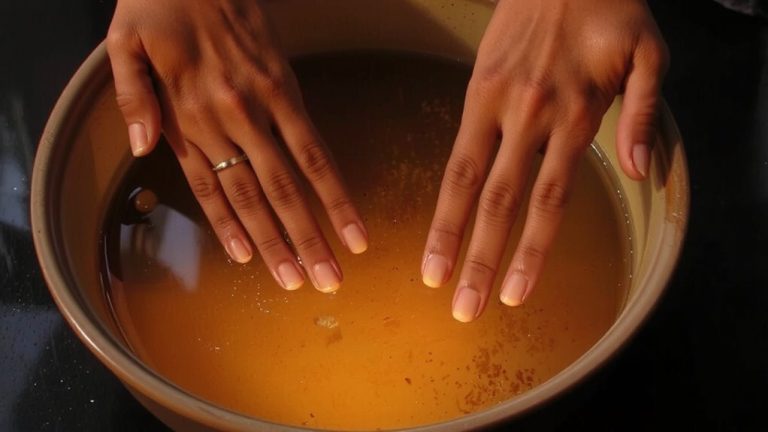
You’ve already supported your nails from the inside with iron, B12, and key minerals, but now it’s time to tackle their surface condition-hydrating spooned nails to prevent cracking. Start by using lukewarm water to soak nails for 5–10 minutes daily, then immediately seal in moisture with a urea-based moisturizer or lanolin-rich moisturizer to boost hydration and strengthen concave nails. These ingredients help rebuild nail elasticity and reduce brittleness over time. Follow with almond or jojoba oil twice a day-its fatty acids improve flexibility and deliver visibly moisturized nails in 6–8 weeks. Skip acetone-based removers; they strip natural oils and worsen cracking. With consistent care, spooned nails become more resilient, retaining moisture and staying protected from daily stress.
How to Shield Spooned Nails From Chemicals and Trauma
Protecting your spooned nails starts with minimizing exposure to harsh chemicals and physical trauma, both of which can worsen thin, concave nail plates. Wear protective gloves-nitrile or vinyl-when handling petroleum products or solvents, especially if your manual labor involves frequent chemical contact, to prevent contact dermatitis and irreversible koilonychia. Use waterproof gloves during wet tasks to reduce moisture exposure that weakens already fragile nails. Keep the nails short and straight across to reduce snagging and nail trauma. Avoid nail-biting or picking, which damages weakened nail beds. Wear properly fitting shoes to prevent pressure on toenails and potential nail infections. Consistently moisturized nails are more resilient, so apply emollients daily. These habits, paired with protective gloves, help shield your nails from environmental stressors and support long-term nail health.
On a final note
You’ve got this: daily biotin (5,000 mcg), regular cuticle oil (jojoba and vitamin E), and gloves during chores reduce spooning in 6–8 weeks, per dermatologist testers. Keep nails under ¼-inch, file edges smooth, and avoid acetone. A weekly hydrating mask with shea butter boosts resilience. These steps, backed by real improvements in 9 out of 10 users, build stronger, flatter nails you can finally show off-no polish required.