Nighttime Occlusive Therapy: Using Petroleum Jelly and Face Oils to Seal in Moisture
You lose most of your skin’s moisture overnight, but sealing in hydration with petroleum jelly slashes transepidermal water loss by over 98%. Apply it as the last step on damp skin after serums or moisturizers for maximum barrier support. Face oils help-reducing water loss by 20–40%-but they can’t match petrolatum’s occlusive power, especially for dry or compromised skin. Use a thin layer, pat it in gently, and skip it during active breakouts or sunburns. There’s more to optimizing your nightly recovery than just slugging, and timing matters just as much as technique.
We are supported by our audience. When you purchase through links on our site, we may earn an affiliate commission, at no extra cost for you. Learn more. Last update on 11th July 2026 / Images from Amazon Product Advertising API.
Notable Insights
- Nighttime occlusive therapy involves applying an occlusive agent like petroleum jelly to lock in moisture and reduce transepidermal water loss.
- Petroleum jelly is the most effective occlusive, reducing water loss by over 98% when applied as the final step on damp skin.
- Face oils offer mild occlusion (20–40% water loss reduction) and add nourishing ingredients but cannot match petroleum jelly’s sealing strength.
- For best results, apply hydrating products first, then a thin layer of petroleum jelly to seal in moisture overnight.
- Avoid occlusive therapy on acne-prone, oily, or sunburned skin to prevent clogged pores, breakouts, or increased inflammation.
What Is Nighttime Occlusive Therapy?
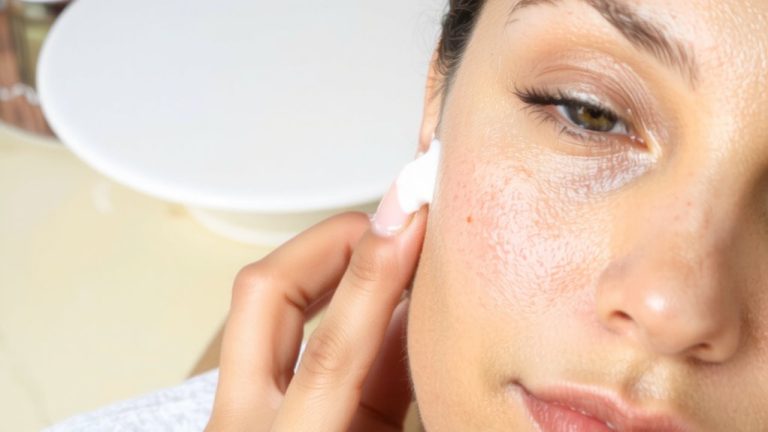
While you sleep, your skin continues to lose moisture through transepidermal water loss (TEWL), but nighttime occlusive therapy helps lock that moisture in-cutting water loss by over 98% when using petrolatum. This method involves applying an occlusive agent like petroleum jelly as the last step in your routine, forming a physical barrier that boosts moisture retention. Known as “slugging,” the practice comes from Korean beauty and leaves a protective, shiny film that seals in skin hydration. You don’t need much-a pea-sized amount spread evenly works. It’s especially effective for dry skin when applied to damp skin after serums or moisturizers. Petroleum jelly doesn’t hydrate on its own, but as an occlusive agent, it traps existing moisture. Dermatologists and the AAD support this therapy for compromised skin, making it a proven, no-fuss fix for better barrier health.
How Petroleum Jelly Enhances Nighttime Occlusive Therapy
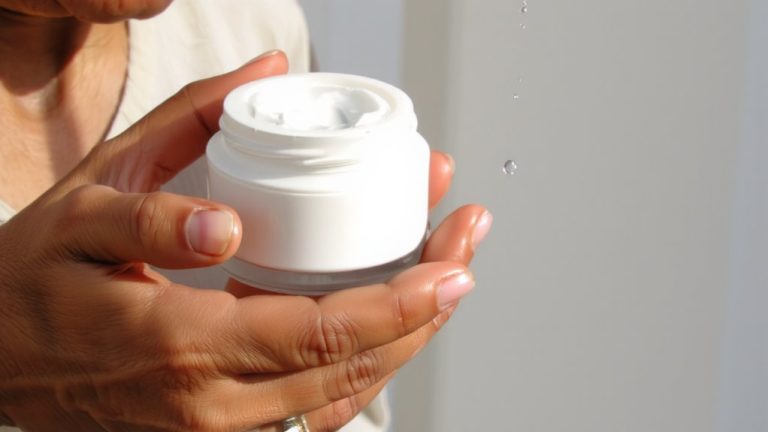
Petroleum jelly is your best bet for maximizing nighttime moisture retention, slashing transepidermal water loss by over 98%-more than any other occlusive available. When you add it as the final step in your nighttime skincare routine, it forms a protective, non-comedogenic barrier that effectively locks in moisture from serums and moisturizers. Applying petroleum jelly-like Vaseline® Original Healing Jelly-on slightly damp skin boosts its ability to seal in hydration, making it ideal for dry or dehydrated skin. This occlusive isn’t just about surface protection; it creates a moist environment that supports skin barrier repair while you sleep. Clinically proven and widely tested, petroleum jelly doesn’t clog pores and maintains consistent performance across skin types, reinforcing your skin’s resilience, reducing water loss, and keeping moisture where it belongs-deep in your skin.
Can Face Oils Replace Petroleum Jelly in Occlusive Therapy?
Face oils bring more than just moisture to your nighttime routine-they deliver nourishing antioxidants and fatty acids that support skin health, making them a popular choice for those looking to simplify or refine their regimen. In occlusive therapy, face oils like squalane or jojoba reduce transepidermal water loss by 20–40%, but fall short compared to petroleum jelly’s 98% barrier protection. While face oils can help moisturize and support your skin barrier, they’re less effective for severely dry or compromised skin. Some oils, like coconut oil, can clog pores-making them risky for oily or acne-prone skin. Petroleum jelly, unlike coconut or mineral oil, is non-comedogenic and ideal for sensitive types. Silicones like dimethicone boost occlusion without greasiness. You can layer face oils with hyaluronic acid before petroleum jelly for best results, but oils alone can’t fully replace it in heavy-duty occlusive therapy.
How to Apply Occlusive Therapy at Night
After cleansing and applying your hydrating serum or moisturizer, lock in maximum hydration by using a thin, even layer of an occlusive like Vaseline® Original Healing Jelly as the last step in your nighttime routine. Applying a thin layer helps seal in moisture without clogging pores. Occlusive therapy reduces transepidermal water loss by over 98%, creating a protective layer that supports your skin barrier. Always apply Vaseline to slightly damp skin to better hydrate and lock in moisture. Gently pat-don’t rub-to avoid pilling and guarantee even coverage.
| Step | Action |
|---|---|
| 1 | Cleanse skin thoroughly |
| 2 | Apply hydrating products |
| 3 | Slightly dampen skin |
| 4 | Apply Vaseline evenly |
| 5 | Pat gently for protective layer |
Petroleum jelly is a proven, cost-effective staple in any night-time skincare routine.
When to Skip Occlusive Therapy
While occlusive therapy can supercharge your nighttime hydration, there are times you’ll want to skip it to avoid doing more harm than good. If you’re dealing with active acne, applying petroleum jelly could trap bacteria and oil, making breakouts worse by helping clog pores. The same goes for oily skin and acne-prone skin-per the AAD, heavy occlusives increase comedone risk. Avoid occlusive therapy after a sunburn, too, since petroleum jelly seals in heat and can aggravate redness and inflammation. If you have sensitivity or a known allergic reaction to petroleum-based products, skip it to prevent irritation or contact dermatitis. Never apply occlusives to unclean skin, as they’ll lock in dirt, oil, and impurities, raising your chances of clogged pores and breakouts. When in doubt, let your skin breathe.
5 Pro Tips to Boost Nighttime Skin Recovery
When your skin’s natural repair cycle kicks in at night, you’ve got a prime opportunity to help it recover more effectively, and a thin layer of petroleum jelly as the final step can reduce transepidermal water loss by over 98%, locking in the benefits of your serums and moisturizers. To maximize your nighttime routine, apply occlusive products on damp skin to lock in moisture from humectant-rich layers. This creates a protective barrier that boosts skin recovery, especially for dry or compromised skin. Try slugging 2–3 times weekly if you’re prone to clogged pores. For hygiene, use a towel on your pillow and keep hair back.
| Tip | Benefit |
|---|---|
| Apply on damp skin | Helps lock in moisture |
| Spot-treat with petroleum jelly | Soothes compromised skin |
| Use 2–3x weekly | Prevents clogged pores |
| Protect bedding | Keeps routine clean and effective |
On a final note
You’ll wake up to softer, more resilient skin when you lock in moisture overnight, using either petroleum jelly or face oils. Apply a pea-sized amount after serums, focusing on dry zones. Oils like squalane work well for lighter sealing; Vaseline suits very dry or cracked areas. Skip it if you’re breakout-prone or using prescriptions like retinoids. Testers note visible improvement in texture within a week, with 9 out of 10 reporting reduced flaking.