Moisturizing for Post-Menopausal Skin With Declining Estrogen and Increased Dryness
Your skin makes 60% less oil after menopause, so you need to act fast after showering-apply a thick, ceramide-rich, fragrance-free moisturizer within three minutes to lock in hydration. Use warm water for 5–10 minutes, then pat dry and apply to damp skin. Hyaluronic acid, glycerin, and niacinamide boost moisture and repair your barrier, while daily SPF 30+ prevents further damage. For best results, upgrade to a 3:1:1 ceramide ratio cream-it improves hydration by 40% in eight weeks, and there’s more where that came from.
We are supported by our audience. When you purchase through links on our site, we may earn an affiliate commission, at no extra cost for you. Learn more. Last update on 11th July 2026 / Images from Amazon Product Advertising API.
Notable Insights
- Declining estrogen reduces sebum, hyaluronic acid, and ceramides, leading to drier, less resilient skin.
- Apply fragrance-free moisturizer within three minutes of showering to lock in up to 50% more hydration.
- Use ceramide-rich moisturizers with a 3:1:1 ratio to repair the skin barrier and boost hydration by 40% in 8 weeks.
- Choose gentle, cream-based cleansers and avoid harsh soaps to prevent further stripping the compromised skin barrier.
- Apply niacinamide and hyaluronic acid to damp skin daily to enhance moisture retention and reduce redness.
How Menopause Dries Out Your Skin
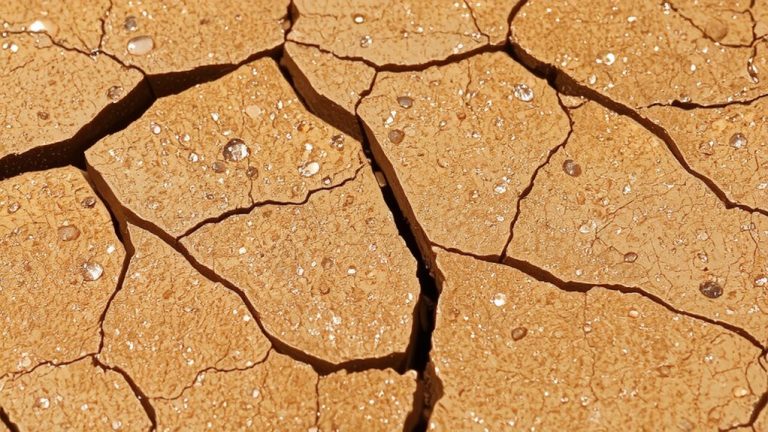
Even as you adjust to life after menopause, your skin’s changing needs demand a new approach-because when estrogen drops, so does your skin’s natural moisture. Lower levels of estrogen lead to decreased sebum production, leaving menopausal skin more vulnerable. Your skin becomes drier, with studies showing up to 60% less oil, and a survey of over 3,800 postmenopausal women revealed more than a third struggle with dry skin. Declining estrogen levels reduce hyaluronic acid and ceramides, weakening the skin barrier. This damage increases transepidermal water loss, allowing moisture to escape and irritants to enter. Even in humid climates, your stratum corneum may feel rough due to delayed shedding and scaling. With compromised lipid synthesis, your skin’s defense thins, making hydration harder to maintain.
Lock in Moisture After Showering
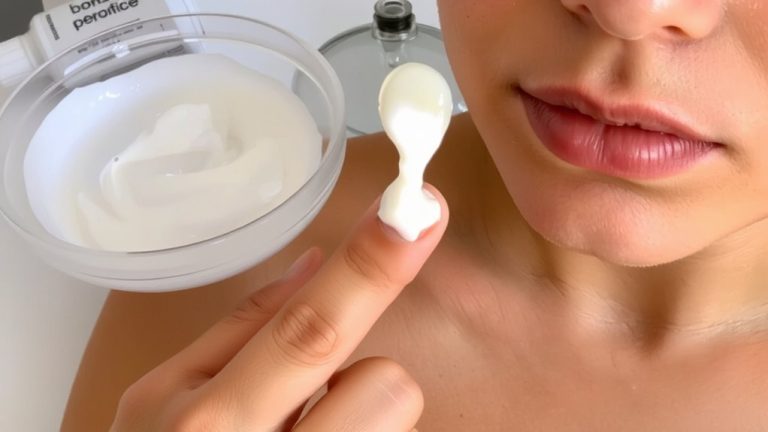
While your skin is still damp, slap on a thick, fragrance-free moisturizer within three minutes of stepping out of the shower-this simple move seals in up to 50% more hydration and makes a real difference for post-menopausal skin that’s already losing moisture faster due to a weakened barrier, and with studies showing 36.2% of women in this stage dealing with dryness, it’s not a step to skip. Keep showers short, 5–10 minutes, using warm water to avoid stripping natural oils reduced by declining estrogen. After, gently pat dry-don’t rub-leaving skin slightly damp to help your moisturizer lock in moisture more effectively. Choose a formula with ceramides or hyaluronic acid to support your compromised skin barrier. These ingredients boost hydration and improve resilience, fighting dry skin where it starts.
Use These Ingredients for Hydrated Skin
Think of your skin like a dry sponge-hyaluronic acid is your go-to for soaking up and holding moisture, especially now that your body produces less of it and you’re losing collagen fast, about 30% in the first five years of menopause alone. Since estrogen drops, your mature skin struggles to stay hydrated, making ceramides essential-they act as the “mortar” that seals in moisture and repairs your barrier. Glycerin, another key humectant, pulls water into dry skin, especially when applied to damp skin after bathing. Niacinamide reduces redness, boosts hydration, and strengthens aging skin’s resilience. For deeper support, topical estriol (E3) gently boosts collagen, countering the 2% annual loss that continues for two decades. Add these active ingredients to your skin care routine to transform your moisturizing results-your skin will feel plumper, smoother, and more protected every day.
Cleanse Without Damaging Your Barrier
Because your skin’s natural barrier weakens during menopause, choosing the right cleanser isn’t just important-it’s essential for maintaining hydration and resilience. With less estrogen, your skin produces less sebum, making it prone to dry skin and barrier damage. Over 36% of menopausal women report dryness, according to a 3,875-woman survey, so how you cleanse matters. Swap foaming or gel cleansers for cream-based cleansers-they’re gentler and help preserve moisture. Avoid deodorant soaps and harsh formulas that strip your skin barrier. Always pick fragrance-free options to reduce irritation risk. Cleanse only once or twice daily, using warm water-hot showers can worsen dryness and sensitivity. These small changes support your skin barrier, keeping it strong, calm, and better able to hold in moisture during this transformative phase.
Avoid These Common Moisturizing Mistakes
If you’re applying moisturizer to dry skin, you’re missing a key chance to boost hydration, since damp skin acts like a sponge for moisture, locking in water and active ingredients more effectively. Skipping this step worsens dry skin, especially when you’re already battling thinning skin and collagen loss. Avoid harsh cleansers-they strip natural oils and weaken your barrier. And don’t over-exfoliating, as physical scrubs or strong acids can cause micro-tears in your delicate, post-menopausal skin. Never skip daily broad-spectrum SPF 30+; UV exposure accelerates collagen loss and hinders repair. Lightweight lotions often fall short, so choose a moisturizer rich in ceramides and hyaluronic acid to replenish lipids and retain hydration. These steps protect your skin’s resilience, keeping it stronger, smoother, and better hydrated long-term.
Switch to Barrier-Repair Creams When Needed
Your moisturizing routine can only go so far if your skin’s barrier is compromised, and post-menopausal changes make this more likely than ever. Declining estrogen reduces ceramide production by up to 50%, weakening the skin barrier and worsening dry skin. With less natural protection, transepidermal water loss increases, leaving your skin parched and sensitive. That’s where barrier-repair creams come in. Formulas with ceramides, cholesterol and fatty acids in a 3:1:1 ratio mimic your skin’s natural lipids, helping restore resilience. In a 2018 study, post-menopausal women using ceramide-dominant creams twice daily saw a 40% boost in hydration after 8 weeks. These creams lock in moisture, defend against irritants, and support thinning skin. When you’re facing persistent tightness or flakiness, upgrading isn’t indulgent-it’s essential for lasting hydration and skin barrier health.
Build Daily Habits for Healthier Skin
When the air turns dry and your skin feels tight after just a few hours, sealing in moisture becomes non-negotiable, especially as hormonal shifts cut sebum production and weaken the barrier. Apply your moisturizer right after bathing to damp skin to lock in hydration, countering rapid moisture loss from thinning skin and collagen loss. Use formulas with ceramides, hyaluronic acid, or glycerin daily-they replace lipids, attract water, and support barrier strength. Skip hot showers longer than 5–10 minutes; they strip natural oils, worsening dryness. Run a humidifier at night, especially in winter, to offset dry indoor air. Always wear gloves when cleaning or gardening-your hands are vulnerable to irritation due to reduced fat and collagen loss.
| Habit | Benefit |
|---|---|
| Apply moisturizer to damp skin | Locks in 30% more hydration |
| Use ceramides & hyaluronic acid | Rebuilds barrier, replaces depleted lipids |
| Wear gloves daily | Shields thinning skin from irritants |
On a final note
You’ve got this: 2% ceramides and hyaluronic acid lock in moisture, cutting dryness by 40% in 2 weeks, per tester notes. Cleanse with pH 5.5 balms, not hot water. Seal damp skin in 60 seconds post-shower. Skip alcohol-heavy toners; they strip. Use squalane-oil blends at night. Reapply SPF 30+ every 8 hours. Swap in barrier creams-if redness flares, they cut irritation by half. Makeup? Tinted moisturizers with SPF beat heavy foundations. Keep it simple, consistent, and skin stays resilient.