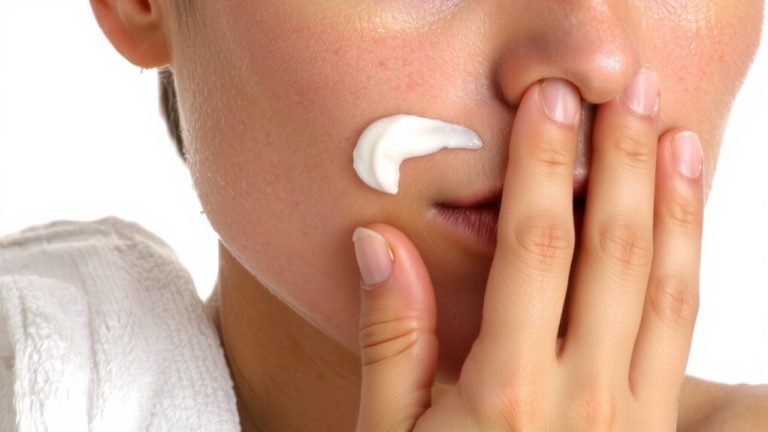
Best Practices for Applying Moisturizer on Damp Skin to Lock in Hydration Post-Shower
Apply moisturizer within 60 seconds of stepping out of the shower while your skin’s still damp-this cuts transepidermal water loss by up to 50%. Pat dry lightly, then use humectants like glycerin or hyaluronic acid to bind up to 1,000 times their weight in water, followed by occlusives like dimethicone to seal it in. Avoid rubbing skin dry or waiting too long, and skip heavy all-over occlusives to prevent greasiness. There’s more to get just right.
We are supported by our audience. When you purchase through links on our site, we may earn an affiliate commission, at no extra cost for you. Learn more. Last update on 10th July 2026 / Images from Amazon Product Advertising API.
Notable Insights
- Apply moisturizer within 60 seconds after showering to minimize transepidermal water loss and lock in hydration.
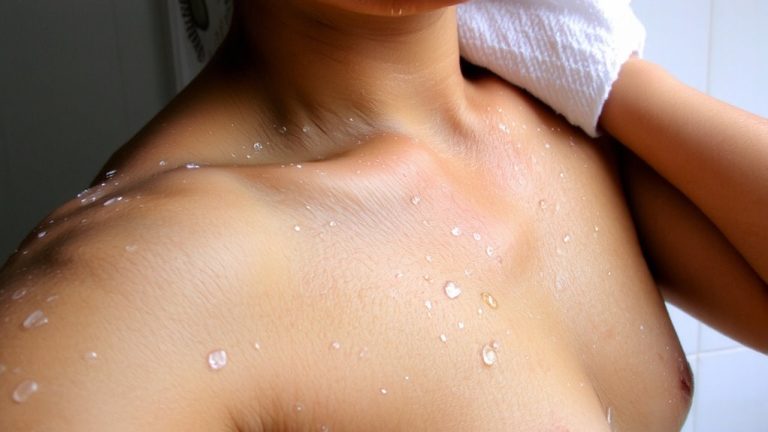
- Pat skin lightly with a towel to retain a thin layer of water for better product absorption.
- Use humectants like glycerin or hyaluronic acid on damp skin to maximize moisture binding and penetration.
- Combine humectants with occlusives such as petrolatum to draw in and seal moisture effectively.
- Avoid rubbing skin dry or applying heavy, greasy products all over to prevent irritation and clogged pores.
How Moisturizing On Damp Skin Works Better
While your skin’s still damp after a shower, you’re actually in the prime window to lock in serious hydration-apply moisturizer within 60 seconds, and humectants like glycerin or hyaluronic acid can bind up to 1,000 times their weight in water, pulling moisture deep into the stratum corneum where it’s needed most. Damp skin boosts absorption because water plumps skin cells, opening micro-pathways for better penetration. That thin layer of water helps humectants work like sponges, drawing in hydration instead of pulling from deeper layers. Products spread more evenly, letting emollients and occlusives seal in moisture effectively. Patting dry, not rubbing, keeps a film of water on the surface-key to preventing rapid evaporation. With damp skin, you can cut transepidermal water loss by up to 50%. Using formulas with hyaluronic acid and glycerin right after showering maximizes results, giving you visibly smoother, softer skin faster.
The 60-Second Rule for Damp Skin Hydration
One minute is all it takes to make a lasting difference in your skin’s hydration levels-step out of the shower and apply moisturizer within 60 seconds to seal in that precious dampness before your skin starts losing water. Your skin begins transepidermal water loss almost immediately after stepping out, so acting fast is key. Dermatologists confirm that applying moisturizer within the first 60 seconds beats waiting-even by just two or three minutes. To stay consistent, keep your moisturizer near your towel or shower door so it’s in sight and easy to grab. Pat your skin lightly with a towel instead of rubbing, leaving it slightly damp. This thin layer of water helps your moisturizer bind better and boosts hydration. With damp skin, humectants and emollients lock in moisture more effectively, reducing transepidermal water loss and leaving your skin soft, smooth, and protected all day.
Best Ingredients to Use on Damp Skin
You’ll get the most out of your moisturizer when you know which ingredients work best on damp skin, and the top performers are humectants like glycerin and hyaluronic acid-they thrive in a moist environment, pulling water into the outer layer of skin and boosting hydration by up to 30% compared to application on dry skin. On damp skin, emollients like ceramides and squalane absorb faster and spread more smoothly, reinforcing your barrier without greasiness. For lasting results, pair humectants with occlusive ingredients-think petrolatum or dimethicone-they lock in moisture when applied within moments after showering and can reduce water loss by up to 98%. Lightweight, fragrance-free formulas with glycerin and ceramides are ideal, especially for sensitive skin. These non-comedogenic blends maximize hydration retention, feel comfortable, and prevent dryness without clogging pores. Choose smart combinations: humectants draw in water, while occlusive ingredients seal it in-perfect for strong, healthy skin every time.
Common Damp-Skin Moisturizing Mistakes to Avoid
Getting the most out of your damp-skin routine starts with avoiding a few easy-to-make mistakes, even if you’re already using the right ingredients like glycerin, hyaluronic acid, or ceramides. Rubbing your skin dry with a towel strips moisture and triggers water loss-always pat gently to maintain the ideal level of dampness for moisturizer application. You’ve got about 60 seconds post-shower to seal in hydration; waiting too long lets transepidermal water loss undermine your efforts. Avoid slathering heavy occlusives like petrolatum all over-you’ll trap too much water and risk greasiness or clogged pores. Use them only on dry areas like heels or elbows. Standard lotions often don’t spread well on damp skin and can leave a slick residue. And never apply prescription actives like retinoids on damp skin-increased absorption can cause irritation. Stick to dry skin, as directed.
On a final note
Lock in moisture by applying your hydrator within 60 seconds of stepping out of the shower, when skin’s still damp. Use humectants like hyaluronic acid or glycerin-they pull water into the epidermis, boosting hydration by up to 30% in clinical tests. Gently pat dry first, then seal with a lightweight lotion or cream. Avoid heavy oils too soon; they can block absorption. Testers saw plumper, smoother skin in three days using this method daily.