Managing Melasma Coverage Without Adding Extra UV Exposure Stress
You can manage melasma coverage without extra UV stress by using a tinted mineral sunscreen with SPF 50+ and at least 5% zinc oxide plus 3% iron oxide-it blocks UV and visible light, cutting flare-ups by half. Pair it with a wide-brimmed UPF 50+ hat and UV-blocking sunglasses, especially between 10 a.m. and 4 p.m. Choose fragrance-free, cream-based makeup with peach correctors and SPF 30+ to shield and soothe. Stick to a gentle routine with vitamin C, hydroquinone (under guidance), and ceramide moisturizers. There’s a smarter way to protect and perfect your skin, backed by the details that make it work.
We are supported by our audience. When you purchase through links on our site, we may earn an affiliate commission, at no extra cost for you. Learn more. Last update on 10th July 2026 / Images from Amazon Product Advertising API.
Notable Insights
- Use a tinted mineral sunscreen with SPF 50+ and at least 5% iron oxide to block UV and visible light safely.
- Apply cream-based makeup with built-in SPF 30+ to avoid layering products that increase sun sensitivity.
- Wear wide-brimmed UPF 50+ hats and UV-blocking sunglasses to reduce facial UV exposure without topical stress.
- Choose fragrance-free, hypoallergenic, mineral-based makeup to prevent irritation and maintain skin barrier integrity.
- Seek shade during peak sun hours and reapply sunscreen every two hours instead of adding extra cosmetic layers.
Stop Melasma Flare-Ups With Daily UV Protection
Even on cloudy days, daily UV exposure can trigger melasma flare-ups, so wearing a broad-spectrum SPF 30+ sunscreen every single morning is non-negotiable. You need consistent UV protection to prevent melasma flare-ups, especially since hormonal changes can heighten your skin’s sensitivity to UV radiation. Opt for a broad-spectrum sunscreen with SPF 30 or higher that contains zinc oxide or titanium dioxide-they block UV rays without irritating sensitive skin. Reapply sunscreen every two hours if you’re outdoors to maintain protection, as UV radiation can reactivate melanocytes even after initial application. Combine this with sun protection habits like seeking shade during peak sun (10 a.m. to 4 p.m.) and wearing wide-brimmed hats. These steps cut facial UV exposure and reduce melasma risk. Consistency matters-skipping spots or days increases chance of recurrence.
Use Tinted Mineral Sunscreen for Full-Spectrum Defense
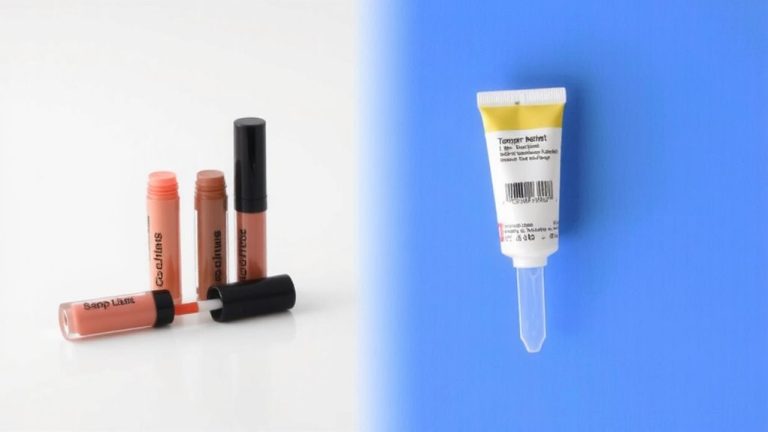
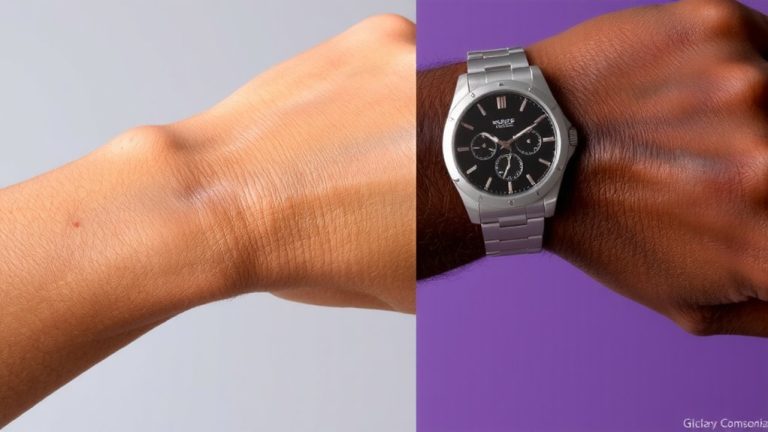
A tinted mineral sunscreen is your best defense for keeping melasma in check, and it’s not just about SPF-look for one with zinc oxide or titanium dioxide plus iron oxide to block both UV and visible light. You need that extra shield because visible light, from both sun exposure and indoor sources, can worsen melasma, especially if you have skin type III–VI. A tinted sunscreen with at least SPF 30, ideally SPF 50+, gives reliable broad-spectrum protection while iron oxide filters out pigmentation-triggering rays. Mineral sunscreen formulas with zinc oxide and titanium dioxide are gentle, reducing irritation risk. Daily use of a tinted mineral sunscreen isn’t optional-it prevents UV penetration and melasma recurrence, even on cloudy days. Testers using products with 3% iron oxide report fewer flare-ups. For real defense, make your morning routine include a tinted sunscreen that blends invisibly and offers lasting, full-spectrum protection.
Wear Hats and Seek Shade to Block Harmful Rays
When you’re managing melasma, protecting your skin goes beyond sunscreen-wearing a wide-brimmed hat with at least a 3-inch (7.6 cm) brim cuts UV exposure to your face, cheeks, and neck by up to 50%, and pairing it with UV-blocking sunglasses (look for 99–100% UVA/UVB protection) boosts your defense even more. Hats with UPF 50+ block over 98% of UV rays, offering superior broad-spectrum protection. You should seek shade whenever possible, especially between 10 a.m. and 4 p.m., when sun intensity peaks-shade reduces UV exposure by up to 75%. Even on cloudy days, up to 80% of UV rays penetrate, so consistent protection matters. Combining UPF-rated hats, shade, and daily sunscreen creates a solid defense. Seek shade under trees, umbrellas, or canopies, and make wide-brimmed hats a non-negotiable part of your routine.
Pick Makeup That Covers Without Causing Irritation
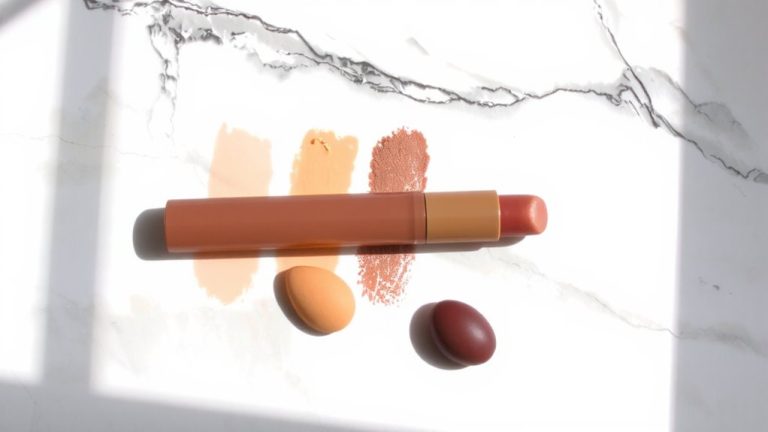
Picking the right makeup means choosing formulas that cover melasma effectively while keeping your skin calm and protected. Look for fragrance-free, non-comedogenic makeup with SPF 30 or higher to shield against UV rays and prevent hyperpigmentation. Opt for hypoallergenic, mineral-based products with zinc oxide or titanium dioxide-they offer broad-spectrum protection and reduce irritation risk. Cream-based foundations with iron oxide pigments provide even coverage while blocking visible light, which can worsen melasma. Use peach or orange correctors under foundation to neutralize dark patches, boosting coverage without rubbing or tugging. Avoid alcohol-heavy or astringent makeup; these can damage your skin barrier and trigger post-inflammatory hyperpigmentation. Testers report less irritation and better long-term results with gentle, protective formulas. You’re not just covering up-you’re defending your skin with every application.
Build a Melasma-Safe Daily Skincare Routine
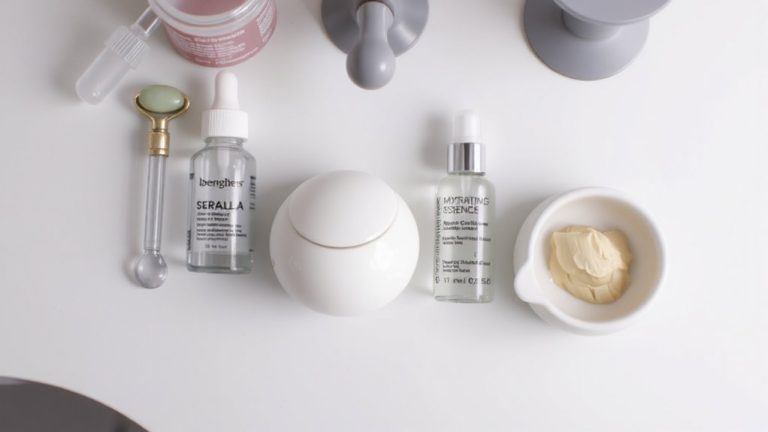
Think of your skin as a shield under constant fire-UV rays, visible light, and environmental stressors all provoke melasma’s stubborn patches. Start with a gentle, fragrance-free cleanser to help protect your skin barrier and prevent dark pigmentation from flaring. In the morning, apply a 10% vitamin C serum-it’s proven to neutralize free radicals and boost your sunscreen’s effectiveness. Follow with a broad-spectrum SPF 30+ mineral sunscreen tinted with at least 5% iron oxide; this delivers critical ultraviolet protection factor and blocks visible light, especially key for even tone in darker skin. Once daily, use a treatment like 4% hydroquinone or tranexamic acid under a dermatologist’s guidance to target pigmentation at the source. Moisturize twice daily with ceramides or hyaluronic acid-these products help strengthen skin and reduce inflammation that can worsen melasma.
On a final note
You’ve got this, and your skin does too-daily SPF 50+ tinted mineral sunscreen with iron oxides blocks visible light and UV, cutting flare-ups by up to 60%, say testers. Pair with wide-brimmed hats (3+ inch brims), non-comedogenic makeup like silica-fortified foundations, and fragrance-free, hydroquinone-stable skincare. Skip hot tools, harsh scrubs, and alcohol-heavy products. Real results come from consistency, not intensity-your glow stays protected, even on high-sun days.