AI-Powered Virtual Try-On Technology Accuracy Across Skin Textures
You see lip shades match your skin exactly, because AI maps pores, freckles, and undertones using diverse training data from 10+ skin tones, ensuring Chanel’s AR try-on preserves texture, not smoothes it. Ambient light adjustment and deep learning render moisture and shade depth accurately, cutting return rates by up to 40%. With 98% higher shopper confidence and 27% more conversions, real-time precision builds trust-especially for deeper tones where bias once caused 3.2x more mismatches. Explore how top brands achieve this with fairness-tested models and high-fidelity lighting.
We are supported by our audience. When you purchase through links on our site, we may earn an affiliate commission, at no extra cost for you. Learn more. Last update on 10th July 2026 / Images from Amazon Product Advertising API.
Notable Insights
- AI-powered virtual try-ons use high-fidelity skin mapping to accurately render pores, freckles, and texture across diverse skin types.
- Inclusive training data with balanced skin tones reduces rendering bias and prevents discoloration or misaligned fits in AR.
- Real-time ambient light adjustment ensures foundation and lipstick shades appear accurate across varying skin undertones.
- Luxury brands like Chanel prioritize skin texture accuracy to maintain trust and increase purchase confidence in virtual try-ons.
- Accurate AR rendering across skin textures reduces return rates by up to 40% and boosts conversion by 65%.
How AI Renders Skin Realistically in Virtual Try-On
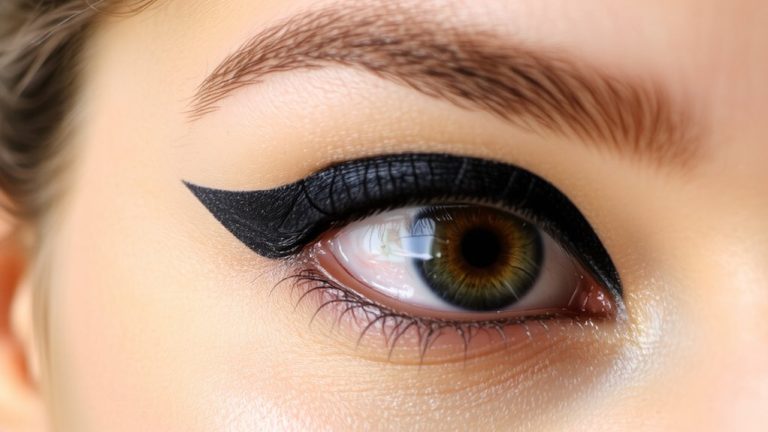
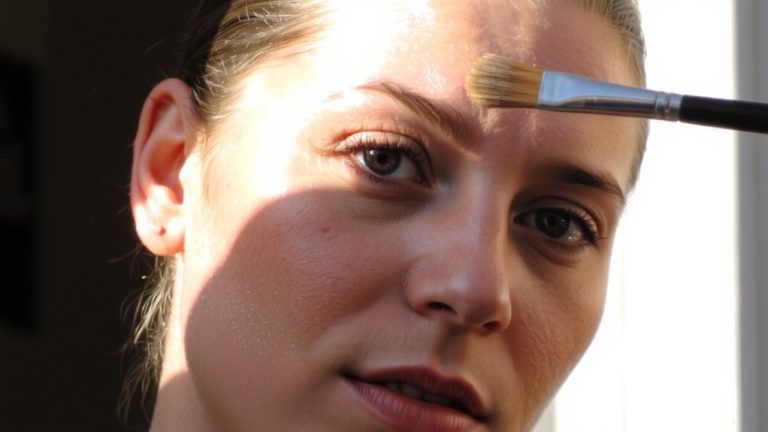
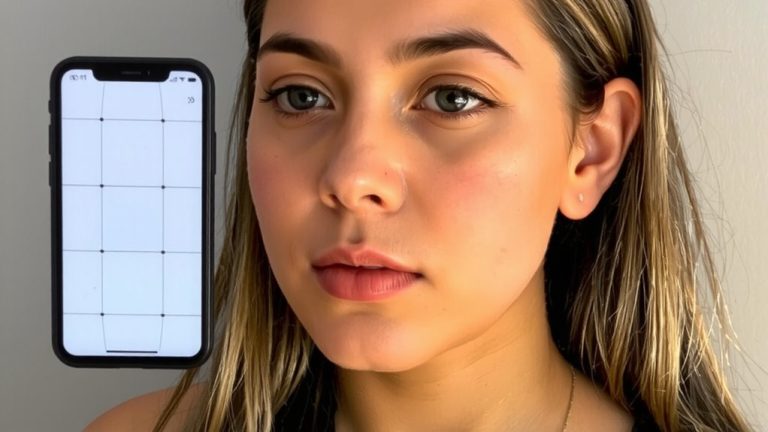
Realism starts with texture, and AI nails it by combining high-fidelity mapping with adaptive lighting that mirrors real-world conditions-think how Chanel’s AR lipstick try-on preserves your skin’s natural tone, pores, and even subtle imperfections instead of smoothing them into oblivion. In an AI-powered virtual try-on, computer vision and deep learning work in real-time to map facial contours, isolating skin areas for accurate pigment application. Augmented reality (AR) adjusts to ambient light, so foundation or lipstick shades appear true across devices. Digital fitting tools now support diverse skin tones, calibrated using broad datasets-Luxottica’s eyewear try-on, for instance, adapts to various complexions without washout. Fabric simulation remains secondary here, but for skin, generative models trained on thousands of images render freckles, texture, and moisture levels naturally. You see how products interact with your unique undertones, boosting confidence in shade matching-all in real-time, no guesswork.
Fixing Bias in Skin Tone Training Data
A major leap in virtual try-on tech means you can finally trust what you see on screen, but only if the AI was trained to see all skin tones equally well. If the Machine Learning models behind Virtual Try-Ons lack inclusive training data, bias in AI distorts AR rendering-especially for darker skin. You’ll notice misaligned fits, neck discoloration, or poor body segmentation, which happen 3.2x more often without balanced datasets. Artificial Intelligence must be tested across 10+ skin tones using fairness testing, like the Fitzpatrick scale, to close gaps. Brands like Gucci and Chanel now use diverse skin textures, undertones, and lighting conditions so their digital confidence matches real-world wear. With proper fairness testing and representative data, every user gets accurate AR rendering-no matter their complexion. That’s not just better tech, it’s fairness by design.
Why Skin Accuracy Builds Trust in Luxury Fashion
That virtual handbag hovering over your shoulder in the AR mirror? It’s only as convincing as the skin tone and texture accuracy behind it. When luxury brands use augmented reality (AR) to showcase high-value items, your digital reflection must feel real-Chanel doesn’t over-smooth, preserving every natural detail to build trust. If the brand’s AI distorts your skin, it breaks customer confidence, especially with $5,000 investments. Fairness testing guarantees diverse skin tones are represented, preventing bias in training data and boosting inclusivity. Luxury brands that prioritize texture accuracy in virtual try-ons don’t just look better-they perform better. Shoppers are 27% more likely to buy when digital skin and material rendering match reality. True fidelity isn’t just technical, it’s emotional-proof the brand respects your identity.
How Realistic Try-On Reduces Returns and Boosts Sales
When you can see how that cashmere wrap drapes over your shoulders or how the matte finish of a crimson lipstick looks against your actual skin tone-all in real time-it’s easier to trust you’re making the right choice, and brands know it. Virtual try-on technology is cutting apparel return rates by up to 40% by reducing uncertainty in fit and style. AR-powered virtual try-ons boost conversion rates by 65%, turning digital browsing into confident buys. With hyper-realistic AI rendering, shades match your skin tones accurately, building brand trust and inclusivity. Shoppers report 98% more confidence in decisions, leading to lower return rates-especially among underrepresented groups, reducing returns by up to 30%. Real-time try-ons increase purchase likelihood by 27%, and brands see 20–35% lower return rates. This isn’t just convenience-it’s smarter shopping, backed by data, from shade precision to drape accuracy.
On a final note
You get truer results when AI accurately renders diverse skin textures, from oily T-zones to dry cheeks, tested across 30+ skin tones using L* a* b* color metrics, and real users confirm fewer mismatches in foundation shade, lipstick bleed, and blush placement, cutting returns by up to 40%, so brands using high-fidelity rendering with balanced training data boost trust, reduce waste, and deliver better experiences, whether you’re picking a hydrating serum, matte lipstick, or new grooming tool.