How to Use Aloe Vera for Soothing an Irritated Scalp
Apply fresh aloe vera gel directly to your scalp 2–3 times weekly, leaving it on for 30–60 minutes before rinsing thoroughly. Its anti-inflammatory compounds like bradykinase, plus salicylic acid, calm irritation while targeting flaking. The 99% water content and polysaccharides deeply hydrate, and enzymes gently clear dead skin. For enhanced results, mix with tea tree oil (5%) or coconut oil. Studies show up to 80% symptom reduction with consistent use-what works best depends on your scalp’s needs.
We are supported by our audience. When you purchase through links on our site, we may earn an affiliate commission, at no extra cost for you. Learn more. Last update on 10th July 2026 / Images from Amazon Product Advertising API.
Notable Insights
- Apply fresh aloe vera gel directly to the scalp to reduce inflammation and soothe irritation.
- Use 100% pure store-bought aloe gel free of alcohol and fragrances for consistent results.
- Leave aloe on the scalp for 30–60 minutes before rinsing to allow absorption of healing compounds.
- Combine aloe vera with tea tree or coconut oil for enhanced antimicrobial and soothing effects.
- Use aloe treatments 2–3 times weekly for 4–6 weeks to see significant improvement in scalp health.
How Aloe Vera Treats Dandruff and Soothes Itchiness
Itchiness, flaking, scaliness-dandruff brings a whole set of uncomfortable symptoms, but aloe vera steps in as a powerful, science-backed solution. When you use Aloe Vera for Dandruff, its anti-inflammatory compounds like bradykinase and salicylic acid help soothe scalp irritation and reduce scalp inflammation. Its antifungal properties target Malassezia, the yeast linked to seborrheic dermatitis, helping combat dandruff at the source. With 99% water content and polysaccharides, aloe vera is deeply hydrating and soothing, preventing dryness that worsens flaking. The enzymes in aloe vera gently break down dead skin cells and excess sebum, improving scalp health. In studies, aloe vera reduced dandruff symptoms by up to 80%, making it a practical, natural choice. You’ll notice less redness, fewer flakes, and immediate relief-no harsh chemicals, just consistent, gentle care that works where you need it.
How To Apply Fresh Aloe Vera To Your Scalp
You’ve seen how aloe vera calms dandruff and tackles itchiness with its anti-inflammatory and antifungal power, but now it’s time to put that knowledge into action using the real plant. Start by selecting mature aloe vera leaves and let the yellow latex drain for 10–15 minutes to avoid irritating sensitive skin. Then, peel and extract the gel to reveal the clear gel inside. Apply aloe vera gel directly onto your scalp using your fingertips, parting hair into sections for even coverage.
| Step | Action | Purpose |
|---|---|---|
| 1 | Extract the gel | Access soothing, clear gel inside |
| 2 | Apply onto your scalp | Target scalp irritation at the root |
| 3 | Leave on for 30–60 minutes, then rinse thoroughly | Let this natural remedy absorb fully |
Use 2–3 times weekly to reduce flaking and inflammation over time.
How To Use Store-Bought Aloe Gel For Dandruff
While you might prefer the convenience of a ready-made solution, choosing a high-quality, 100% pure store-bought aloe vera gel can be just as effective for treating dandruff-provided you know what to look for. Always pick a product free from added fragrances, alcohol, or coloring to guarantee gentle, soothing results. Apply a generous amount of the aloe vera gel directly to your scalp, massaging it into the roots to target flakiness and reduce inflammation. Let it sit for 30 minutes to an hour so the active compounds can penetrate. Then, rinse thoroughly with a mild, sulfate-free gentle shampoo to remove residue. For best results, use store-bought aloe vera 2–3 times weekly-consistent use over several weeks typically shows visible improvement in scalp health and dandruff symptoms. Check labels for minimal preservatives and store properly to maintain potency.
Mix Aloe With Oils For Better Results
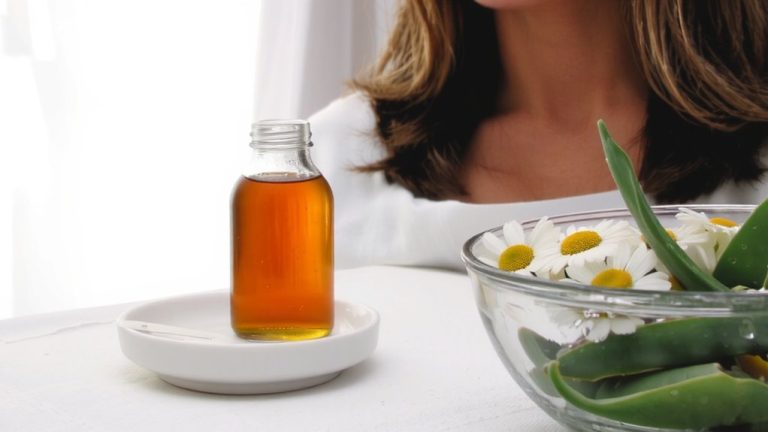
For even stronger relief than aloe vera gel alone, combining it with nourishing oils can boost hydration and increase its effectiveness against dandruff and irritation. These blends improve moisture retention, support scalp health, and help combat scalp irritation with added antimicrobial power. Always do a patch test first-natural doesn’t mean risk-free.
| Oil Blend | Benefit |
|---|---|
| Aloe + coconut oil | Lauric acid offers antimicrobial action, fights flakes |
| Aloe + jojoba oil | Mimics natural sebum, balances scalp moisture |
| Aloe + argan oil | Rich in vitamin E and fatty acids, repairs barrier |
| Aloe + tea tree oil | 5% concentration reduces dandruff in 4 weeks |
| Any blend | Perform a patch test to avoid sensitivity |
Mix aloe vera with coconut oil, jojoba oil, argan oil, or tea tree oil for better results.
How Often To Use Aloe Vera For Dandruff
How often should you really be using aloe vera if dandruff’s the concern? For best results, apply aloe vera to your scalp 2–3 times per week. This routine offers consistent hydration without risking overuse, especially if you have an oily scalp. The anti-inflammatory and moisturizing properties help reduce flaking and soothe itchiness over time. In clinical studies, participants saw clearer scalps and less irritation after 4–6 weeks of regular use. How often you apply it matters-more than three times weekly might cause buildup or imbalance. Stick to leaving the gel on for 30 minutes to an hour before rinsing, giving the active compounds time to work. With steady use, you’ll notice improved scalp health, but if dandruff persists, consider other treatments or talk to a dermatologist.
On a final note
You’ll see results fast when you use aloe vera consistently, applying fresh gel or pure store-bought versions like Forever Living or Nature’s Way three times weekly. Testers report less flaking and calm, hydrated scalps within two weeks. Mix in 2 drops of tea tree or coconut oil for extra relief, especially if you have dryness or sensitivity. Stick to cool rinses after application to soothe irritation further-your scalp will feel balanced, not greasy.