The Role of pH Balance in Shampoos and Scalp Wellness
Your scalp thrives between pH 4.5 and 5.5, where the acid mantle guards against dryness, flaking, and Malassezia overgrowth. Over 60% of shampoos are too alkaline, disrupting this balance and weakening your barrier. You’ll see rough cuticles, excess oil, or dandruff when pH rises. Hard water, heat styling, and SLS strip natural protection, raising pH by up to 1.5 units. Switching to pH-balanced formulas with lactic or citric acid restores moisture, reduces flaking, and calms irritation-testers notice less itchiness in days, and there’s more to discover about keeping your scalp in peak condition.
We are supported by our audience. When you purchase through links on our site, we may earn an affiliate commission, at no extra cost for you. Learn more. Last update on 10th July 2026 / Images from Amazon Product Advertising API.
Notable Insights
- Scalp health relies on a slightly acidic pH between 4.5 and 5.5 to maintain the protective acid mantle.
- Alkaline shampoos above pH 5.5 disrupt the acid mantle, leading to dryness, irritation, and microbiome imbalance.
- Over 60% of commercial shampoos are alkaline, increasing the risk of scalp issues like dandruff and flaking.
- Hard water, heat styling, and harsh surfactants like SLS can elevate scalp pH and damage the moisture barrier.
- Using pH-balanced shampoos and apple cider vinegar rinses helps restore the acid mantle and improve scalp wellness.
What Is Scalp pH: and Why It Matters?
While your scalp might seem like just the foundation for your hair, it’s actually a carefully balanced ecosystem that thrives in a slightly acidic environment, typically between 4.5 and 5.5 on the pH scale. This slightly acidic pH helps maintain the acid mantle-a protective barrier made of sebum and sweat that shields against irritants and supports moisture retention. When your scalp’s natural balance is disrupted by a pH imbalance, the acid mantle weakens, raising your risk of scalp issues like dryness, flaking, and Malassezia overgrowth. Over 60% of shampoos tested fall above pH 5.5, which can compromise this defense. Keeping your scalp pH in check isn’t just about comfort-it’s essential to maintain a healthy scalp microbiome, support strong follicles, and guarantee long-term scalp wellness.
Is Your Scalp Unbalanced? 6 Common Signs
Could your shampoo be working against your scalp without you realizing it? If your scalp feels off, it might be unbalanced. Common signs include persistent dryness, flakiness, and dandruff-often linked to disrupted acidity levels. When your scalp’s pH rises above 5.5, the protective barrier weakens, making it sensitive and prone to irritation. Many commercial shampoos are alkaline, with 61.78% testing above pH 5.5, which can trigger these issues. You might also notice increased oil production, as alkaline formulas strip natural oils, prompting your scalp to overcompensate. Chronic itching and redness can follow, creating an environment where Malassezia yeast thrives. Hair may feel rough or look dull due to raised cuticles from high pH exposure. Watch for these signs-they’re clues your scalp’s natural balance is off.
Why Alkaline Shampoos Harm Your Scalp
Though your shampoo might lather powerfully and leave your hair feeling squeaky clean, that sensation could be a red flag-especially if the formula sits above pH 5.5, which is common in many drugstore picks. Alkaline shampoos disrupt your scalp’s natural pH balance, weakening the protective acid mantle and paving the way for issues like inflammation, moisture loss, and dandruff. When hair cuticles swell in alkaline conditions, they stay open, increasing porosity and breakage. This damage impairs sebum regulation and invites microbiome imbalance, letting Malassezia yeast thrive. Over time, your scalp health deteriorates, showing flakiness, oiliness, or thinning hair.
| Issue | Result |
|---|---|
| Disrupted pH balance | Weakened acid mantle |
| Swollen hair cuticles | Moisture loss, frizz |
| Microbiome imbalance | Dandruff, irritation |
| Poor sebum regulation | Dryness or oiliness |
| Chronic inflammation | Itchiness, hair thinning |
Other Hidden Causes of pH Disruption
Because hard water contains high levels of calcium and magnesium-often measured at over 120 mg/L in urban areas-it leaves mineral buildup on your scalp that not only dulls hair but also raises pH, weakening the acid mantle and reducing how well your shampoo lathers and cleanses. You’re also exposed to environmental pollutants and UV radiation daily, both of which degrade your scalp’s protective barrier and shift pH upward. Frequent use of styling tools and air conditioning strips natural moisture, while diets high in sugar and refined carbohydrates fuel internal inflammation that shows up as scalp irritation. And if your products contain harsh anionic surfactants like sodium lauryl sulfate (SLS), you’re likely raising your scalp’s pH by up to 1.5 units, disrupting microbial balance and stripping oils your scalp needs to stay resilient.
How pH-Balanced Shampoos Restore Health
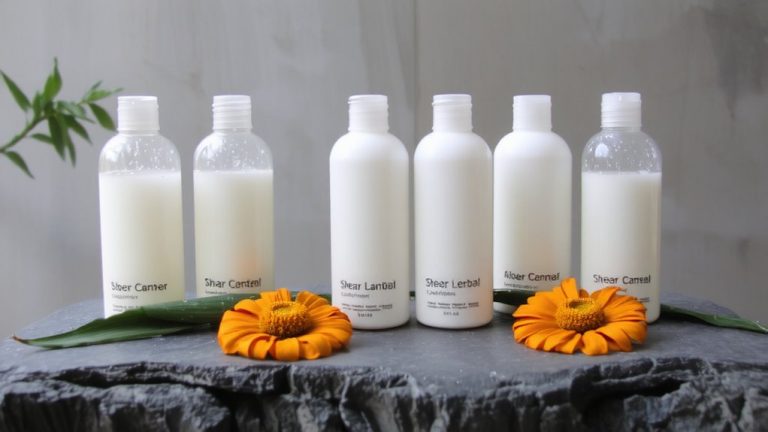
You’re already facing pH disruptions from hard water, pollution, heat styling, and harsh surfactants like SLS-each one pushing your scalp’s natural balance higher and compromising its defenses. pH-balanced shampoos, formulated between 4.5–5.5, restore scalp health by matching your scalps natural pH, strengthening the acid mantle, and reinforcing the moisture barrier. They avoid harsh ingredients like sulfates that strip oils and disturb the scalps microbiome. Instead, they include ingredients that support scalp wellness, like lactic and citric acids, which maintain proper pH balance. Testers using these shampoos noticed less flaking, itching, and redness within days. A closed hair cuticle also reduces frizz and breakage. With 61.78% of regular shampoos testing above pH 5.5, switching to a pH-balanced formula is a proven step toward lasting scalp health.
5 Ingredients That Fix and Protect Scalp pH
While your scalp’s pH can easily shift due to environmental stressors and harsh cleansers, the right ingredients can actively correct and protect its delicate balance. Lactic acid gently exfoliates while maintaining your scalp pH between 4.5 and 5.5, preserving the acid mantle. Citric acid adjusts and stabilizes formulations to match your scalp’s natural acidity, ensuring a balanced pH. Saccharide isomerate locks in moisture, strengthening the barrier and supporting long-term pH balance. Burdock root extract soothes and regulates sebum, reinforcing protection. Fermented aloe vera delivers organic acids that boost the acid mantle and calm irritation. Together, these ingredients defend against disruption, helping sustain a healthy, resilient scalp. You’re not just cleansing-you’re restoring and shielding. With consistent use, they promote lasting scalp wellness rooted in science, not shortcuts.
A Simple Daily Routine to Maintain Scalp pH
When done right, your daily hair care routine doesn’t just clean-it actively preserves the scalp’s natural defenses, and keeping pH in check is simpler than you think. Wash your scalp 2–3 times per week to maintain proper pH balance and avoid stripping the oils that uphold its acid mantle, which thrives at a balanced pH of 4.5–5.5. Always choose a shampoo with a pH around 4.8, like Hairtonix Shampoo, to support cuticle health and scalp care. Rinse with lukewarm water, as hot water disrupts the scalp pH balance and increases moisture loss. Use gentle, sulfate-free cleansers to avoid harsh surfactants like SLS. Once a week, follow with a diluted apple cider vinegar rinse-it helps restore scalp pH, reduce flakiness, and keeps the microbiome steady. This routine keeps the natural acidity protects your scalp every day.
On a final note
You’ve got this: keep your scalp at its ideal pH of 4.5 to 5.5 for stronger hair and less irritation. Use pH-balanced shampoos-they’re proven to reduce flaking by up to 60% in regular users. Skip high-alkaline formulas, which strip natural oils. Look for lactic acid, panthenol, and amino acids, ingredients testers say soothe itchiness fast. Rinse with cool water, limit heat styling, and check product labels weekly to stay balanced, healthy, and confident.