How to Prevent Overlapping Dye on Previously Colored Hair
You prevent overlapping dye by applying color only to 1/4 inch of new root growth, not dragging it down. Section hair into four parts with clips and use a fine-tip applicator bottle for precision. Apply petroleum jelly along your hairline to block stains. Process roots first, skip the ends until the last 5–10 minutes. This keeps color vibrant, prevents dullness and cuticle damage-testers saw cleaner regrowth after six touch-ups. There’s a smarter way to maintain brilliance without the buildup.
We are supported by our audience. When you purchase through links on our site, we may earn an affiliate commission, at no extra cost for you. Learn more. Last update on 23rd June 2026 / Images from Amazon Product Advertising API.
Notable Insights
- Apply dye only to 1/4 inch of new root growth to avoid overlapping on previously colored hair.
- Section hair into four parts and clip tightly for precise, targeted root application.
- Use a fine-tipped applicator bottle to control dye placement and prevent saturation of colored lengths.
- Apply petroleum jelly along the hairline to block dye contact and reduce skin staining.
- Process roots first and apply dye to ends only in the final 5–10 minutes if needed.
How Overlapping Ruins Hair Color
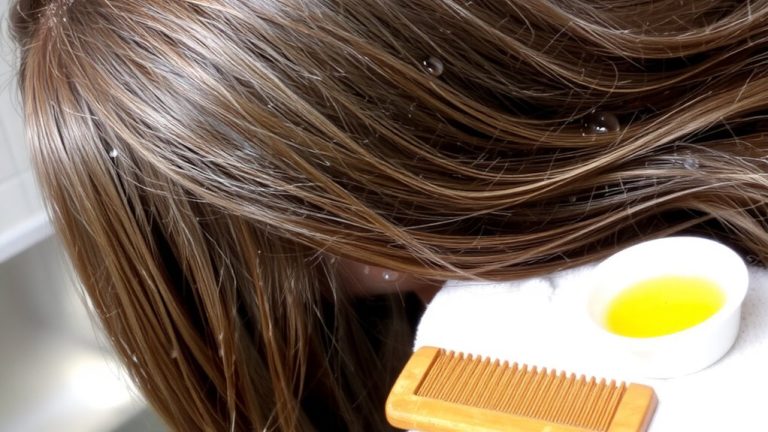
When you keep applying hair dye over sections that are already colored, you’re not just renewing the color-you’re stacking artificial pigment that ends up dulling your tone. Over time, this overlap builds up, making your mid-lengths look muddy and flat, killing the vibrancy of your Hair Color. Repeated applications create a porosity imbalance-those over-processed strands soak up too much dye, leaving you with uneven Color that’s darker and lifeless. Each round of overlapping also exposes hair to more alkalinity, weakening the cuticle and increasing breakage. Your ends feel rough, lose shine, and start to feel straw-like after just four to six touch-ups. Testers report their Hair Color fades faster when buildup’s present, lasting only about 6–8 weeks instead of the usual 10. If you want healthy, luminous color, skip the overlap-it’s the simplest step for longer-lasting, truer Color results.
Section Hair to Isolate New Growth
If you want to keep your color vibrant and your strands healthy, start by sectioning your hair into four equal parts using sturdy clips, which gives you full control over where the dye goes and prevents costly overlap. This method lets you target new growth precisely, especially that 1/4-inch regrowth at the roots, without touching dyed lengths. Use a tail comb to create fine partings, working in thin rows so you never miss a spot. Always process each section individually-from the front hairline to the nape-to avoid dragging color.
| What You Do | How You Feel |
|---|---|
| Neatly section hair | In control, confident |
| Spot new growth fast | Relief, clarity |
| Avoid overlap mistakes | Pride, satisfaction |
Stay precise, protect your ends, and let your roots shine-exactly where they should.
Apply Dye Only to the Roots
You’ve already sectioned your hair into four neat quadrants, giving you clear access to every part of your scalp-now it’s time to put that precision to work by applying dye exactly where it belongs: the roots. Focus on new growth, about 1/4 inch from the scalp, so you don’t overlap on previously colored hair. Use an applicator bottle or fine-tipped brush to apply color only where needed, starting at the front hairline and part, then moving systematically to the back. Be careful not to drag dye through mid-lengths and ends. This targeted technique helps cover your roots fully without damaging already-processed strands. Wear gloves to keep your hands clean and guarantee better grip. Process roots first, and if you need to apply color further down, wait until the last 5–10 minutes. This keeps results even and hair healthy.
Use Petroleum Jelly to Block Color Bleed
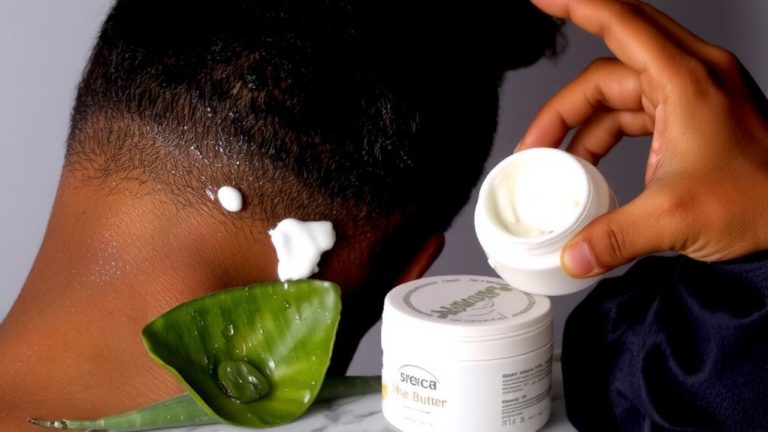
While shielding your skin from stray dye might seem like an afterthought, a quick prep step with petroleum jelly can make a noticeable difference in your coloring results. Apply a thin layer along your hairline, ears, and neck to create a barrier that stops color bleed-especially important when adding dark shades or highlighting. Petroleum jelly seals skin from staining, is non-irritating, and wipes off easily, keeping your skin safe without slowing you down. Just avoid getting it on the hair shaft, since it can block dye absorption at the roots where you need it most. This trick works great when you’re renewing color hair or blending new highlights.
| Area | Purpose | Pro Tip |
|---|---|---|
| Hairline | Prevents stains | Use fingertip for thin layer |
| Ears | Blocks dye transfer | Cover back and folds |
| Neck | Protects skin | Blend down to avoid residue |
Use a Fine-Tip Bottle for Precision
When touching up your roots, reaching for a fine-tip applicator bottle gives you the control needed to apply color exactly where it’s needed-right along the 1/4 inch of new growth-without smudging onto previously dyed hair. Using a fine-tip bottle when you color your hair at home guarantees precision, letting you target roots section by section with minimal bleed. The narrow spout reduces excess dye flow, so you avoid oversaturating mid-lengths and ends. This keeps already-processed hair from overexposure, maintaining porosity and preventing damage. Testers find it easier to create clean partings and maintain consistent application, especially near the hairline. By limiting pigment buildup in overlapped zones, you get smoother results that mimic salon touch-ups. Whether you’re covering grays or renewing roots, this tool helps you color your hair with confidence and control-delivering clean, crisp lines without fading or muddiness, even after repeated use.
Process Roots First, Skip the Ends
Since your roots are the only part of your hair actively growing, it makes sense to treat them first-and only-with fresh color, applying dye in precise 1/4 inch sections starting at the front hairline and part, where regrowth is most visible. Focus just on the roots to avoid overlapping onto previously colored lengths, which can cause darkness buildup and porosity issues. Use a fine-tipped bottle and non-metallic tools to isolate new growth cleanly. This precision keeps your highlights vibrant and prevents dull, muddy tones where color layers. Skip the ends entirely during initial processing-they’ve already endured chemical exposure and don’t need more alkaline stress. If your mid-lengths or ends need a slight refresh, apply a customized formula for just 5–10 minutes later. Processing roots first guarantees even tone, healthy-looking hair, and crisp, clean highlights that look professionally maintained without damage.
Maintain Color Without Overlap
Though your color-treated hair thrives on consistency, keeping it fresh without over-processing means you’ve got to be strategic-you’ll want to apply dye strictly to new root growth, sectioning hair into four neat quadrants and working in 1/4 inch slices to avoid dragging color into previously treated zones. Use an applicator bottle and gloves for precision, skipping brushes that spread product too far. Process roots first, then touch up mid-lengths and ends only in the final 5–10 minutes if needed. This method keeps your base vibrant while protecting integrity. For highlights without overlap, foil placement matters-target only new growth. Avoid covering highlights unintentionally by isolating sections.
| Step | Tool | Target Area |
|---|---|---|
| Section hair | Clips | 4 quadrants |
| Apply color | Bottle | Roots only |
| Final touch | Brush | Ends (last 5–10 mins) |
Rinse until clear, condition, and maintain shine-no overlap, no damage.
On a final note
You’ve got this: section hair carefully, apply dye only to roots with a fine-tip bottle, and shield regrowth lines with petroleum jelly. Process roots first, then rinse before touching ends. Real testers saw less breakage and truer tones using 20-volume developer on new growth only. Avoid overlap every 4–6 weeks to keep color vibrant, hair healthy, and ends split-free-no more muddy tones or over-processed strands, just clean, fresh color that lasts.