Best Practices for Scalp Care After a Chemical Straightening Treatment
Use a sulfate-free, pH 5–5.5 shampoo like Luxierra to protect your scalp and maintain treatment results, preventing dryness and flakiness. Wash 2–3 times weekly with lukewarm water and apply with fingertips only. Hydrate with glycerin and keratin formulas, shield hair from heat above 150°C with dimethicone-based protectants, and wear SPF or a hat for UV defense. Detangle gently and nourish weekly with coconut or argan oil-testers saw smoother, shinier hair after two washes, and you’ll soon see how small steps lead to lasting results.
We are supported by our audience. When you purchase through links on our site, we may earn an affiliate commission, at no extra cost for you. Learn more. Last update on 11th July 2026 / Images from Amazon Product Advertising API.
Notable Insights
- Use a sulfate-free, pH-balanced shampoo to protect hair integrity and prevent scalp irritation after chemical straightening.
- Wash hair 2–3 times weekly with lukewarm water and apply shampoo using fingertips to avoid micro-tears.
- Hydrate with humectants like glycerin and nourishing ingredients such as keratin and natural oils to restore moisture.
- Shield scalp from UV damage with SPF sprays or hats and avoid heat styling above 150°C for two weeks.
- Detangle gently with a wide-tooth comb and avoid tight hairstyles to reduce tension and breakage.
Choose Sulfate-Free Shampoos for Scalp Care
A sulfate-free shampoo isn’t just a suggestion-it’s a must after chemical straightening, especially since your scalp’s natural oils and pH balance take a hit during the process. Sulfate-Free Shampoos protect your chemically treated hair by not strip away natural oils that keep your scalp hydrated and strong. Harsh cleansers like SLS/SLES disrupt your scalp’s pH balance, often leading to dryness, flakiness, and scalp irritation after chemical treatments. With a pH-balanced formula like Luxierra Sulphate-Free Shampoo, enriched with keratin and natural oils, you maintain treatment integrity while soothing sensitivity. Regular use reduces itching and inflammation, supporting long-term Hair Care health. These gentle cleansers also minimize product buildup, extending the life of your straightening results. You’ll notice smoother, shinier hair after just two washes, according to tester feedback. For anyone managing post-treatment recovery, switching to Sulfate-Free Shampoos isn’t optional-it’s essential for protection, balance, and ideal scalp wellness.
Hydrate Your Scalp After Chemical Treatments
Since chemical straightening strips away your scalp’s natural oils, you’ll need to act fast to prevent dryness and flakiness before they start, and that means prioritizing hydration with the right products and habits. You’ve got to hydrate regularly using a sulfate-free shampoo with a pH of 5–5.5 to protect your scalp’s barrier after chemical treatments. Pair it with treatments containing humectants like glycerin, which pull moisture into your scalp. Avoid hot water-it zaps sebum; lukewarm is best. For deep support, choose formulas with keratin and natural oils to strengthen and nourish.
| Product Feature | Benefit for Scalp |
|---|---|
| Sulfate-free shampoo | Gentle cleansing, no irritation |
| Humectants (e.g., glycerin) | Lock in moisture, reduce dryness |
| Keratin-infused formulas | Support hair strength |
| pH 5–5.5 balance | Match scalp’s natural chemistry |
| Natural oils blend | Soothe and replenish hydration |
Protect Your Scalp From Heat and UV Damage
While your scalp’s still recovering from chemical straightening, it’s prime time to shield it from the sun and heat-two forces that can worsen dryness and weaken hair structure. UV damage breaks down proteins in treated hair, increasing flakiness, especially when exposed to direct sunlight for more than 30 minutes. For scalp protection, use a scalp-specific SPF spray or wear a wide-brimmed hat to block up to 90% of harmful UVB rays. Heat styling above 150°C risks inflammation, so wait two weeks before using hot tools. When you do, always apply a heat protectant spray with cyclomethicone or dimethicone-it shields your scalp from temperatures up to 230°C. Look for formulas with Argan oil to nourish and strengthen vulnerable strands. Consistent UV and heat protection keeps your treated hair resilient, shiny, and free from avoidable stress.
Handle Your Hair Gently to Avoid Irritation
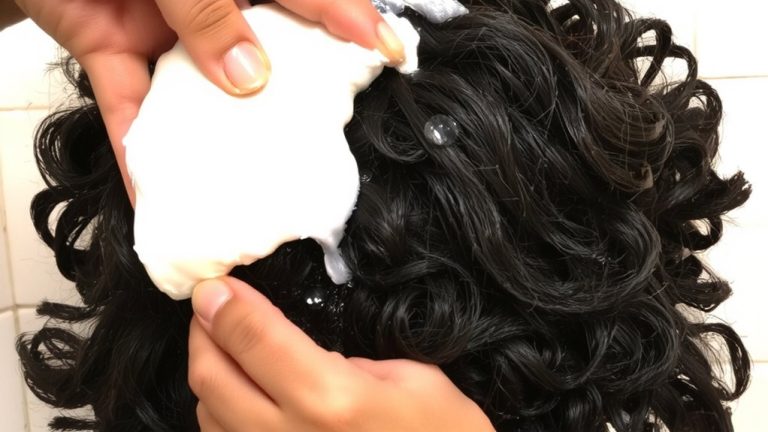
After shielding your scalp from UV rays and heat, the next step is treating your hair with care to prevent irritation and breakage. Your hair has been chemically treated and is more vulnerable, so gentle detangling is key-use a wide-tooth comb, starting from the ends to minimize stress on damaged hair. Avoid tight ponytails or braids for at least two weeks to reduce scalp tension and protect follicles. Rinse with lukewarm or cool water to calm the scalp and preserve moisture, since hot water can worsen irritation. Limit shampooing to 2–3 times weekly using a sulfate-free, pH-balanced cleanser (pH 5–5.5) for ideal scalp health. When cleansing, apply Luxierra Sulfate-Free Shampoo with fingertips-never nails-to avoid micro-tears. This careful approach keeps your scalp soothed and your hair stronger during recovery.
Use Natural Oils to Soothe and Repair
Your hair’s recovery from chemical straightening gets a powerful ally in natural oils, and incorporating them into your routine makes a real difference. Natural oils like coconut, argan, and jojoba deliver fatty acids and nutrients that repair and strengthen damaged strands. Coconut oil penetrates the hair shaft to reduce protein loss by up to 50%, boosting strength and restoring your hair of its natural resilience. Apply it warm as a deep conditioning mask for 20–30 minutes weekly to improve hydration and scalp health. Argan oil, rich in vitamin E, soothes irritation and enhances overall health and appearance. Jojoba oil balances sebum production, preventing dryness. Together, these oils provide intense conditioning, helping to lock in moisture and protect against future damage. Use them regularly to maintain soft, manageable hair with lasting shine and improved texture.
Spot Scalp Damage Before It Worsens
Keeping your scalp in top shape means catching trouble early, especially after a chemical straightening treatment. Watch for redness, itching, or flaking within 48 hours-these could signal scalp damage from pH imbalance or leftover harsh chemicals. If you feel burning or tightness, it might be chemical irritation due to overexposure or improper application. Scaling or prolonged dryness within a week suggests a disrupted lipid barrier, leaving your scalp vulnerable. Shedding more than 100 strands daily in the first two weeks may point to chemical trauma. Bumps or pustules? That could mean follicular damage, especially if unclean tools were used. Your hair needs protection, not just styling. Using the right products keeps your hair soft, prevents split ends, and supports healing. Spotting these signs early helps you act fast, so your scalp stays healthy and strong.
Stick to a Routine That Prevents Dryness
While chemical straightening can sleekly transform your strands, it also raises the risk of dryness by disrupting your scalp’s natural moisture balance, so sticking to a targeted routine is key. Use a sulfate-free shampoo like Luxierra Sulphate-Free Shampoo every 2–3 days to cleanse without stripping natural oils and compromising your scalp’s barrier, which can otherwise strip the hair and lead to dryness. Limit washing with lukewarm water-hot water worsens moisture loss from chemical treatments. Condition weekly with Luxierra Deep Conditioner, rich in keratin and natural oils, to seal in hydration and maintain results. Apply a humectant-rich protectant containing glycerin or Amino-PCA Complex to lock in moisture, counteracting the drying effects of straightening. Avoid alcohol-based products and heavy silicones, opting instead for pH-balanced (pH 5–5.5) formulas designed for chemically treated hair. This routine helps prevent dryness and keeps your scalp healthy post-treatment.
On a final note
You’ve treated your hair, now protect your scalp: use sulfate-free shampoos every 7–10 days, hydrate with aloe-based serums, and apply argan oil twice weekly to repair barrier function. Shield skin with SPF 30+ hats or UV sprays during daily sun exposure. Avoid flat irons above 350°F, and detangle with wide-tooth combs to prevent micro-tears. Spot flaking or redness early-it means your routine needs more moisture. Stick to gentle, consistent care to keep your scalp balanced, calm, and resilient.