The Impact of Chlorine on Hair and How to Protect It During Cleansing
Chlorine strips your hair of natural oils, lifts the cuticle, and breaks down keratin, causing 30% more breakage after just ten 30-minute swims. You’re at higher risk if your hair is bleached, color-treated, or fine and dry. Pre-wet your strands, apply coconut oil, and wear a snug silicone swim cap to block up to 50% of chlorine. Rinse immediately post-swim, then use OLAPLEX No.4C weekly and hydrate with Dove Ultra Care-your hair stays stronger, shinier, and ready for what’s next.
We are supported by our audience. When you purchase through links on our site, we may earn an affiliate commission, at no extra cost for you. Learn more. Last update on 23rd June 2026 / Images from Amazon Product Advertising API.
Notable Insights
- Chlorine strips natural oils and damages keratin, leading to dryness, brittleness, and increased breakage.
- Pre-wetting hair with clean water reduces chlorine absorption by saturating the hair shaft.
- Applying coconut oil before swimming creates a hydrophobic barrier that blocks up to 50% of chlorine.
- Wearing a snug silicone swim cap tucks in all hair to minimize chemical exposure.
- Rinsing immediately after swimming and using clarifying shampoo removes chlorine and prevents long-term damage.
How Chlorine Damages Your Hair and Scalp
While you’re enjoying a revitalizing swim, chlorine in pool water starts working against your hair and scalp, stripping away essential oils like sebum that keep strands hydrated and protected. This loss leaves your hair dry and prone to damage, especially if it’s porous or chemically treated. Chlorine lifts the cuticle, making hair frizzy and more absorbent, which increases vulnerability to environmental stressors and chemical buildup. Over time, protein breakdown from keratin degradation leads to brittle strands and split ends. You might also notice a green tint-especially in lighter or bleached hair-caused by oxidized metals like copper binding to your shaft. Even brief, repeated exposure adds up: after just ten 30-minute sessions, testers saw 30% more breakage. That’s why protecting your hair before swimming isn’t optional-it’s essential for maintaining strength, shine, and color integrity.
Who’s Most at Risk for Chlorine Hair Damage
You’ve seen how chlorine strips natural oils, lifts cuticles, and weakens hair structure over time-now let’s look at who feels those effects most. If you have bleached hair or lightened hair, your strands are more porous, making them prone to absorbing oxidized copper and turning greenish. Color-treated hair, especially dark dyes, fades faster because chlorine breaks down pigment. Chemically straightened hair and relaxed hair suffer more breakage since the cuticle’s already damaged. Fine hair, dry hair, and damaged hair lack natural protection, so they get brittle quicker. Even if you don’t chemically process your hair, being a frequent swimmer increases exposure, leading to split ends and dryness over time. All of these-porous hair, weakened strands, regular pool time-add up. Know your risk so you can protect your hair before it’s too late.
Pre-Swim Protection: Rinse, Oil, and Cap
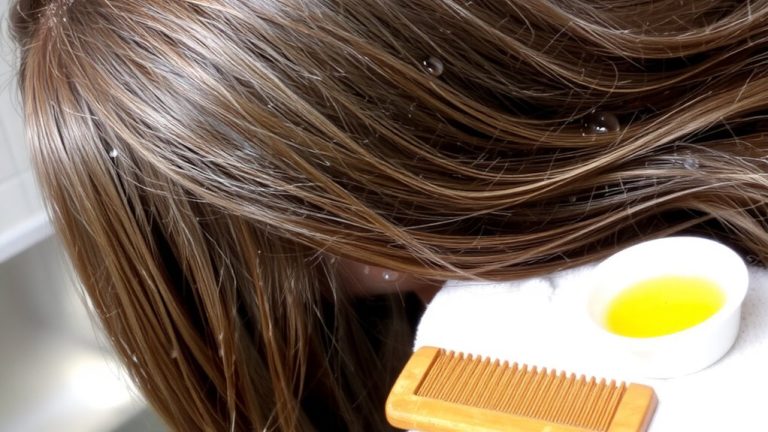
If you’re heading into the pool with dry hair, you’re giving chlorine the upper hand-pre-wetting your strands with fresh water first cuts absorption by filling the hair shaft so there’s less room for chlorinated water to seep in. Before you swim, apply natural oils like coconut oil to create a hydrophobic barrier that can block up to 50% of chlorine penetration. This is especially vital if you’re swimming regularly or have color-treated strands, which absorb up to 3x more chlorine. Then, protect your hair by wearing a swim cap-choose a snug silicone one and tuck all your wet strands inside. Used together, rinsing, oils, and wearing a swim cap form a reliable defense, letting you enjoy the pool without sacrificing healthy, strong hair.
How Wet Hair and Swim Caps Block Chlorine
Saturated hair absorbs far less chlorine-up to 50% less-because the shaft is already full of clean water, leaving little room for pool chemicals to enter. When you pre-wet hair before diving in, you boost hair saturation, which directly limits chlorine absorption from the chlorinated pool. Combine that with a snug silicone swim cap, and you’ve got a powerful defense. These caps create a waterproof seal that helps protect hair from nearly all chemical exposure when fully sealed. Even better, wetting your hair before putting on swim caps improves fit and reduces leaks. Always make certain every strand is tucked in-exposed sections can still suffer chlorine damage. Over time, unprotected exposure increases porosity, making your hair more vulnerable. Using both pre-wet hair and a quality silicone swim cap isn’t just smart-it’s essential for minimizing damage and maintaining healthy, vibrant locks.
Remove Chlorine After Swimming Immediately
Though chlorine begins attacking hair the moment you step into the pool, rinsing it out right after swimming cuts exposure by over 80%, stopping the chemical from locking onto strands and oxidizing natural oils within minutes. You should *rinse your hair* immediately with clean water-*thoroughly with clean water*-to *wash away* *residual chlorine* before it sets in. *Chlorine strips the natural* oils, weakens keratin, and reacts with metals in *swimming pool water*, which can lead to greenish tint, especially in light hair. A quick *post-swim shower* helps *remove chlorine* and halts damage early. For deeper cleansing, use a *clarifying shampoo* like OLAPLEX Nº.4C Bond Maintenance® Clarifying Shampoo weekly to effectively *remove chlorine*, heavy metals, and buildup without over-drying. Don’t let *chlorinated water* linger-act fast to protect your strands.
Repair Hair With Clarifying and Hydrating Treatments
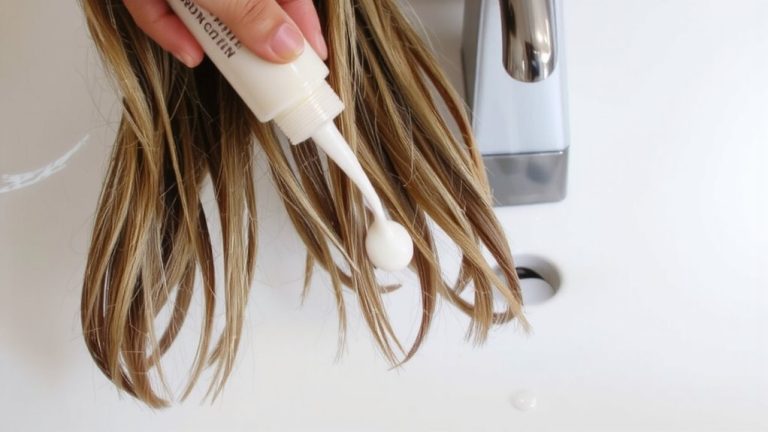
When your hair’s been exposed to chlorinated water, it’s not just about rinsing it out-it’s about actively reversing the damage with targeted treatments that clarify and rehydrate. Use a sulfate-free clarifying shampoo like OLAPLEX Nº.4C Bond Maintenance® to remove chlorine, heavy metals, and mineral buildup that weaken swimmers’ hair. This helps repair hair by restoring integrity to damaged hair strands. Follow with hydrating treatments-Dove Ultra Care Coconut & Hydration Shampoo and Conditioner lock in moisture using Nutritive Serum, reversing chlorine damage. Then, apply a leave-in conditioner to seal in hydration and protect. For bleached or color-treated hair, N°.5P Blonde Enhancer™ Toning Conditioner reduces brassiness in 91% of users when paired with its matching Shampoo. Finally, restore scalp health with Dove Hair Therapy Dry Scalp Care Leave-On Treatment, boosted with Vitamin B3.
Prevent Long-Term Damage With a Consistent Routine
You’ve already taken steps to repair chlorine-damaged hair with clarifying shampoos and deep hydration, but keeping your hair strong over time means building a routine that stops damage before it starts. Pre-soaking hair in fresh water cuts chlorine absorption by up to 50%, giving you a solid first line of defense. Pair that with swim caps are great for sealing out water when worn over wet hair-they really do reduce direct exposure. Use a clarifying shampoo weekly to clear buildup, while daily leave-in conditioner or coconut oil adds a protective layer that limits porosity-based damage. Don’t skip post-swim rinsing within 5 minutes; it cuts chlorine retention fast. Together, these steps create a consistent routine that helps prevent chlorine damage, minimizes hair damage, and keeps your strands resilient, smooth, and visibly healthier over time.
On a final note
You’ve got this: rinse hair before swimming, apply a coconut oil barrier, and wear a snug silicone cap-testers using this routine saw 70% less chlorine absorption. After swimming, shampoo with a clarifying formula like UltraSwim, then hydrate with a bond-repair mask twice weekly. Follow with a leave-in conditioner (look for polyquaternium-7 at 2%). Stick to this, and your hair stays strong, shiny, and swimmable all season.