Advising Diabetic Clients on Safe Footcare Practices to Prevent Ulcers
Check your feet daily, including soles and between toes, for cuts, bloodstained callus, or swelling-84% of amputations start with ulcers. Wash in warm water under 90°F, dry completely, then apply fragrance-free ceramide cream or 10%–20% urea moisturizer to cracked heels, avoiding the spaces between toes. Trim nails straight across with sharp clippers, never round the corners. Wear seamless, moisture-wicking socks and shoes with a half-inch toe space. Keep HbA1c under 7% to protect nerves and circulation-your next step opens up even more protection strategies.
We are supported by our audience. When you purchase through links on our site, we may earn an affiliate commission, at no extra cost for you. Learn more. Last update on 22nd June 2026 / Images from Amazon Product Advertising API.
Notable Insights
- Inspect feet daily, including soles and between toes, using a mirror or helper to spot early signs of ulcers or infection.
- Wash feet daily in warm water below 90°F and dry thoroughly, especially between toes, to prevent fungal growth.
- Apply fragrance-free, ceramide-based moisturizer to dry areas, but avoid between toes to prevent moisture buildup and infection.
- Trim toenails straight across with sharp clippers and smooth edges; avoid rounding corners or self-cutting with loss of sensation.
- Wear properly fitting shoes with ample toe space and seamless, moisture-wicking socks; never walk barefoot to reduce injury risk.
Understand Why Diabetic Foot Care Prevents Amputations
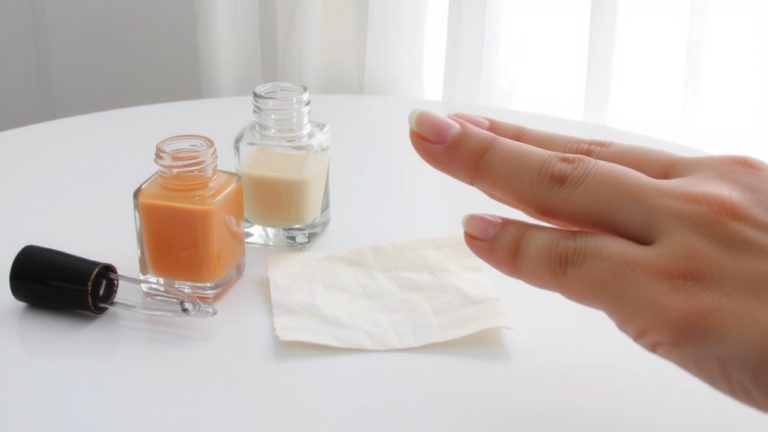
A foot ulcer isn’t just a sore-it’s a silent threat that could lead to amputation, and with 84% of lower-leg amputations in people with diabetes starting this way, you can’t afford to overlook daily foot care. In Diabetic Foot complications, peripheral neuropathy numbs pain, letting small injuries go unnoticed, while poor blood flow slows healing. Foot ulcers develop easily, especially with dry skin or ill-fitting shoes, and once formed, they’re hard to resolve-nearly 50% mortality in 5 years shows how serious they are. You need soft, moisturized skin: use fragrance-free creams with ceramides, not heavy ointments that clog pores. Trim nails straight across with clippers, avoid cuticle tools, and skip dark nail polish-it hides discoloration. Choose seamless socks (6–8 inch cuff) and shoes with wide toe boxes. Proper grooming isn’t vanity-it’s prevention.
Check Your Feet Daily for Cuts, Sores, and Warning Signs
You’ve already taken smart steps by keeping your skin moisturized with fragrance-free cream and choosing seamless socks with a 6–8 inch cuff to prevent pressure points, but daily inspection is where real prevention kicks in. You must check your feet daily-every cut, blister, redness, or swelling counts, since 84% of diabetic amputations follow foot ulcers. Use a mirror or helper to examine the soles, especially if you have reduced sensation or poor circulation, as 20–30% of people with diabetes face these risks. Bloodstained callus, looking like raspberry jam, appears under 80% of ulcers and needs urgent podiatry care. If you can’t feel a 10g monofilament, your ulcer risk jumps sevenfold-this is loss of protective sensation (LOPS). Check between toes daily for tinea pedis, which can lead to serious foot complications. Daily foot checks catch early warning signs and prevent worsening foot problems. Don’t skip a single day-your feet depend on it.
Wash, Dry, and Moisturize Diabetic Feet the Right Way
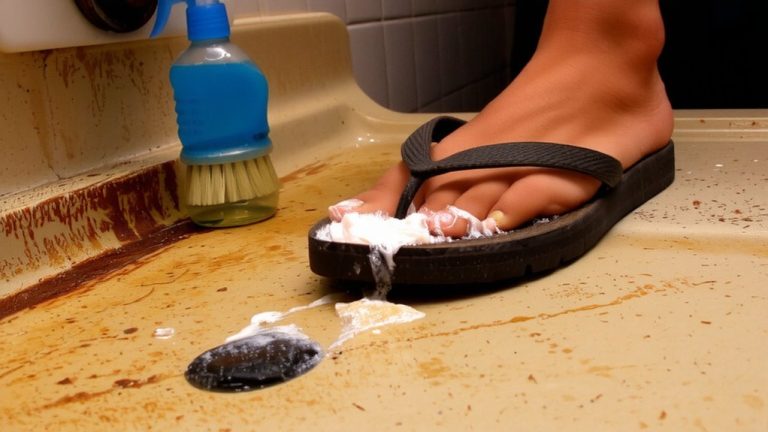
Keeping your feet clean and hydrated matters more than you might think, especially when nerve damage dulls your ability to feel heat or pain. Wash your foot daily in warm (not hot) soapy water-ideally below 90°F-to avoid burns. Dry thoroughly, especially between toes, since trapped moisture encourages fungal growth. People with diabetes often experience reduced blood flow and autonomic neuropathy, increasing risks of xeroderma and infection. Apply a urea-based moisturizer (10%–20%) to cracked heels and dry patches, but skip between toes. Daily care boosts skin integrity and prevents ulcers.
| Step | Purpose |
|---|---|
| Wash in warm water | Prevents burns from nerve damage |
| Dry completely | Reduces fungal infection risk |
| Moisturize daily | Fights dry skin due to neuropathy |
| Avoid toes | Prevents moisture buildup |
| Inspect daily | Catches issues early, aids blood flow monitoring |
Trim Diabetic Toenails Safely to Prevent Infection
After washing and drying your feet every day, the next smart move is tackling toenail care with care and precision. When managing Diabetes, trimming nails straight across helps prevent ingrown toenails, which affect up to 20% of patients due to improper cutting. Never round the corners or cut too short-this exposes the nail bed and stresses delicate blood vessels. Use sharp clippers and follow with an emery board to smooth edges, reducing trauma risk, especially if you have loss of protective sensation (LOPS). If you have thickened or curved nails, skip DIY cutting; these need a podiatrist to avoid skin penetration and infections like osteomyelitis. In Diabetes Foot Care, safe trimming isn’t just grooming-it’s prevention. Let a trained pro handle it if sensation is low. Healthy nails mean fewer complications, so treat them as a key part of your daily routine.
Choose Diabetic-Safe Footwear to Prevent Ulcers
Proper footwear isn’t just about comfort-it’s your first line of defense against diabetic foot ulcers. You need shoes with at least half an inch between your longest toe and the tip to reduce pressure points. Look for extra depth, width, and arch support-poor blood flow makes your feet vulnerable, and 84% of lower-limb amputations start with ulcers from bad shoe fit. Never walk barefoot or wear sandals or high heels; they leave your feet exposed to cuts and blisters you might not feel. Check shoes daily for stones or rough spots-neuropathy means you can’t rely on pain to signal injury. Wear moisture-wicking socks without tight bands to keep skin dry and prevent infections. Good blood flow supports healing, so prioritize diabetic-safe footwear and consider quitting smoking, as it worsens poor blood circulation.
Control Blood Sugar to Prevent Foot Nerve Damage and Slow Healing
While you can’t see it happening in real time, every time your blood sugar spikes, you’re quietly setting the stage for nerve damage that could lead to foot ulcers-so keeping glucose in check isn’t just about daily management, it’s about protecting your feet long-term. High blood sugar damages nerves and reduces flow in the legs, raising your risk of injuries you can’t feel. Over time, uncontrolled glucose slows healing by weakening immune response and collagen production. The American Diabetes Association says keeping HbA1c below 7% can help prevent neuropathy and cuts ulcer risk. Good control means less nerve damage, better circulation, and faster recovery from small wounds. You’re not just managing diabetes-you’re defending your feet. Consistent monitoring, balanced meals, and staying active support stable levels. When blood sugar stays in range, you’re actively shielding your nerves and preserving flow in the legs.
Recognize When to Get Immediate Podiatry Care
A bloodstained callus isn’t something to ignore-it’s a red flag that up to 80% of diabetic foot ulcers show after debridement, and if you spot one, you need podiatry care right away. Any non-healing cut, blister, or wound means urgent referral-50% of those with ulcers die within five years. If you can’t feel the 10 g monofilament on your legs and feet, you’ve got a sevenfold higher ulcer risk and need care now. Fissures in dry skin, from nerve damage or poor blood flow, can turn infected fast. Skip hot water soaks-they worsen cracks. Thick or ingrown toenails with numbness need pros, not clippers, to avoid nail bed wounds and bone infection. Letting a podiatrist handle these keeps blood, pain, and complications under control.
On a final note
You’ve got this: check feet daily, wash with mild soap, dry fully-especially between toes, and use thick moisturizer like Eucerin 2x daily to prevent cracks. Trim nails straight across with clippers, not scissors, to avoid ingrown toenails. Wear diabetic socks with no seams and shoes with ½-inch toe space. Keep blood sugar steady-it speeds healing. See your podiatrist every 3 months, or sooner if you spot redness, swelling, or breaks in skin.