Why Some Perfumes Are Re-Released With Updated Notes
You’re probably wearing a modern version of a classic fragrance, updated due to ingredient bans, cost, and sustainability. IFRA rules restrict allergens like oakmoss and limit citrus oils to avoid skin reactions. Rare materials like natural sandalwood are replaced with synthetics that mimic scent profiles. Reformulations also reflect today’s preference for cleaner, lighter perfumes with 6–8 hour longevity. You’ll discover how these changes impact scent performance and authenticity.
We are supported by our audience. When you purchase through links on our site, we may earn an affiliate commission, at no extra cost for you. Learn more. Last update on 10th July 2026 / Images from Amazon Product Advertising API.
Notable Insights
- Regulatory bodies like IFRA restrict or ban certain ingredients due to allergen and safety concerns.
- Natural materials such as sandalwood and oakmoss are scarce due to overharvesting and environmental rules.
- Perfumes are reformulated to align with modern preferences for cleaner, lighter, and fresher scents.
- Synthetic alternatives replicate discontinued ingredients while ensuring consistency, performance, and sustainability.
- Re-releases preserve a fragrance’s heritage while updating longevity, sillage, and skin compatibility for today’s market.
Why Perfume Re-Releases Happen
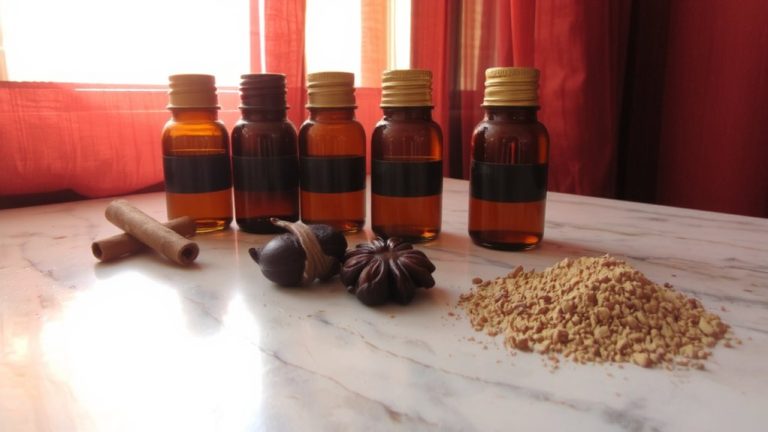
While you might wonder why a classic perfume suddenly smells a little different, re-releases often happen for practical reasons that balance quality, compliance, and modern tastes. Brands adjust formulas when key ingredients become restricted, too costly, or unsustainable-like natural ambergris or sandalwood-replacing them with synthetics that closely mimic the original scent profile. You still get vintage authenticity in the character and structure, even if some notes shift slightly. These updates also reflect changing preferences, like a move toward fresher, cleaner accords that appeal to today’s wearers. Re-releasing a fragrance helps preserve the brand legacy while making it relevant for new audiences. Marketing campaigns often accompany these versions, spotlighting heritage alongside modern performance. Advances in aroma chemistry mean today’s batches are more consistent, ensuring you experience the scent as intended, batch after batch, season after season.
How Regulations Change Fragrance Formulas
You’ve probably noticed your favorite scent doesn’t smell quite like it used to, and that’s not just your memory playing tricks-regulations are quietly reshaping the perfumes you love. Strict ingredient restrictions from the International Fragrance Association (IFRA) and EU Regulation (EC) No 1223/2009 force brands to reformulate often, even when you’re loyal to the original. Since 2000, over 170 aroma chemicals have been limited or banned, including oakmoss and tree moss, commonly adjusted in 2022 due to allergenic risks. To maintain chemical compliance, citrus oils are reduced to avoid phototoxicity, and certain musks replaced to limit environmental persistence. These changes impact scent authenticity, especially in vintage recreations. Still, brands adapt by balancing safety and performance, ensuring your fragrance remains skin-safe, shelf-stable, and enjoyable-just slightly different than you remember, but crafted responsibly.
Why Ingredients in Perfumes Evolve
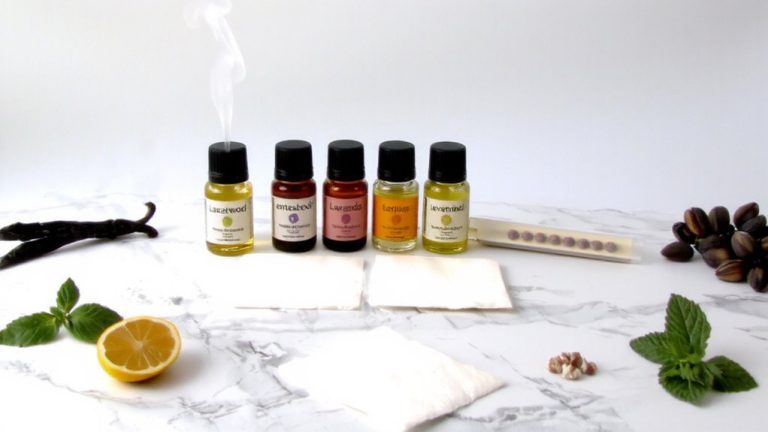
Because regulations, environmental shifts, and advancing science continuously reshape the fragrance landscape, the perfume you loved a decade ago might not be the same one on the shelf today. You’re seeing more synthetic alternatives now, thanks to IFRA restrictions on natural allergens like oak moss and coumarin. Ingredient scarcity-driven by climate change and overharvesting-has made materials like sandalwood and rosewood harder to source, pushing brands toward sustainable options. At the same time, molecular innovation allows perfumers to craft more stable, long-lasting scent molecules that mimic rare naturals with impressive accuracy. These advances don’t just solve supply issues-they improve performance, giving you richer sillage and longer wear. You’ll notice reformulated classics smell cleaner or lighter, not just due to preference, but because modern chemistry and environmental realities demand it.
Updating Classic Scents for Today’s Wearers
When you reach for a beloved classic like Chanel No. 5 or Dior’s Fahrenheit, you might not realize the version in your hands has been quietly modernized to meet today’s standards and sensibilities. Brands tweak old formulas to align with cleaner, lighter preferences, swapping heavy powdery notes for crisp, airy accords that last 6–8 hours with moderate sillage. These updates answer shifting tastes, not just regulatory needs like IFRA restrictions. You still get the heart of the fragrance, preserving perfume nostalgia while feeling fresh. Modern synthetics replicate rare ingredients sustainably, ensuring consistency. It’s smart scent marketing-keeping heritage alive for new wearers who want sophistication without overpowering trails. You’ll notice softer openings, smoother dry-downs, and better skin compatibility. These subtle changes keep classics relevant on shelves and skin, balancing tradition with today’s lifestyle.
How Reformulations Affect Your Favorite Fragrances
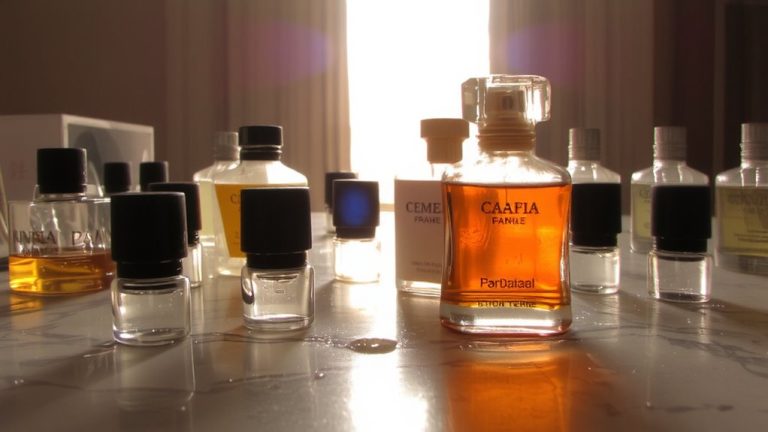
Many of today’s beloved fragrances have undergone reformulation, sometimes multiple times, and the version you loved in the past may no longer smell exactly the same. IFRA regulations restrict certain ingredients for safety, forcing brands to tweak formulas, while rising costs push them to swap rare naturals for synthetics. You might notice weaker projection or shorter longevity-real tester complaints with reformulated Eau Sauvage or Obsession. Aging formulas also degrade, making original ingredients hard to source. Even if the bottle design stays iconic, the juice inside can shift dramatically. These changes often align with a broader marketing strategy to attract new fans while modernizing scent profiles. Yet loyal wearers feel let down when freshness fades faster or the sillage thins. Check batch codes and vintage communities if you’re chasing the original magic. Reformulation isn’t always bad, but it’s rarely transparent-know what you’re actually spraying.
On a final note
You’ll notice re-released perfumes smell slightly different because regulations restrict certain ingredients, and brands update formulas to comply, stabilize supply, or appeal to modern tastes, so classics evolve with adjusted top notes, softer sillage, or cleaner bases, yet still deliver recognizable character, lasting 6–8 hours on skin, according to tester feedback, ensuring timeless favorites remain wearable, safe, and fresh for today’s routines, day or night.