How to Identify If Your Perfume Has Gone Bad or Expired
Your perfume can expire within a year of opening, especially if stored in a steamy bathroom or exposed to sunlight. You’ll know it’s gone bad when the scent turns sour, metallic, or like vinegar, the color darkens to amber or brown, or the liquid looks cloudy, separated, or has particles. Projection weakens, longevity drops, and you might feel skin stinging. Citrus and eau de cologne fade fastest-check your stash, and discover which storage moves actually prolong freshness.
We are supported by our audience. When you purchase through links on our site, we may earn an affiliate commission, at no extra cost for you. Learn more. Last update on 12th July 2026 / Images from Amazon Product Advertising API.
Notable Insights
- Check for a sour, metallic, or vinegar-like smell, which indicates oxidation and spoilage.
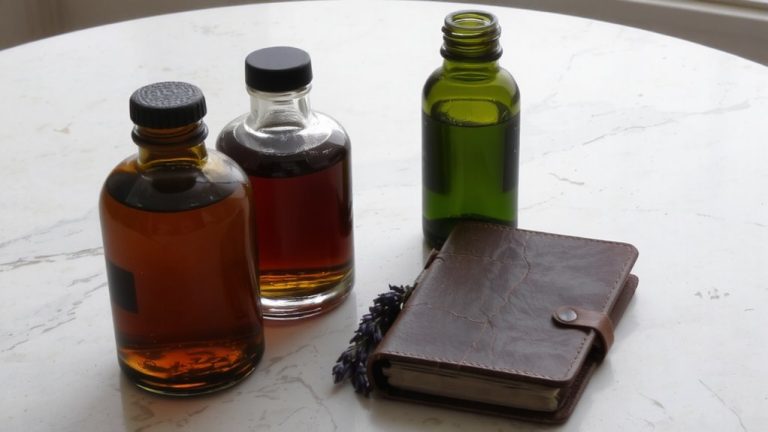
- Observe color changes-dark amber, brown, or greenish tones suggest the perfume has degraded.
- Look for cloudiness, separation, or floating particles in the liquid as signs of expiration.
- Notice weakened projection or significantly reduced longevity after spraying.
- Discontinue use if skin irritation, stinging, or redness occurs upon application.
Does Perfume Expire?
Perfume doesn’t last forever, and if you’ve ever found an old bottle buried in your drawer, chances are it’s past its prime. Yes, perfume can expire-most unopened bottles last 3 to 5 years, while opened ones degrade in 6 months to 2 years. That’s because once exposed to air, the oxidation process alters the chemical composition. Light, heat, and high alcohol content speed this up. Fragrances with citrus notes fade fastest, since they’re less stable than base notes like amber or wood. Perfumes with higher concentrations of fragrance oils-like parfum-last longer than eau de toilette or cologne. Even natural ingredients break down quicker than synthetics. To maximize shelf life, store your perfume properly: keep it in a cool, dark place, away from sunlight and temperature swings. While there’s no printed expiration date, proper storage can preserve it well beyond average expectations.
5 Signs Your Perfume Has Gone Bad
Ever wonder why that once-luscious floral-citrus blend now smells sharp or dull on your skin? If your perfume has gone bad, it’ll often smell sour, metallic, or like vinegar due to oxidation. An expired perfume usually darkens-look for a dark spot or deep amber to brown tint-as ingredients break down over time. You might also notice cloudiness, separation of liquid, or tiny particles floating inside the bottle, clear signs of chemical instability. Projection weakens and longevity drops fast-what lasted all day now fades in hours. Citrus and floral notes turn flat or harsh, while base notes can overwhelm. Worse, expired perfume may cause skin irritation, stinging, or redness on contact. These changes aren’t just unpleasant-they mean the formula’s integrity is compromised. If you see or smell any of these red flags, it’s time to toss it. Don’t risk sensitivity or a bad impression-fresh scent means better performance.
How Storage Speeds Up Expiration
While you might not think twice about leaving your perfume on the bathroom counter, that convenient spot could be cutting its life in half. High humidity and temperature fluctuations in bathrooms speed up expiration by weakening the fragrance structure. Direct sunlight breaks down delicate compounds, especially in citrus and florals, slashing shelf life by up to 50%. Heat exposure above 77°F accelerates oxidation, degrading volatile notes and dulling the scent. Leaving bottles uncapped invites air, promoting alcohol evaporation and chemical breakdown. To properly store perfume, choose a cool, dark place-ideally away from windows and showers. For long-term preservation, refrigeration between 39–46°F slows oxidation and maintains integrity. Avoid humidity, direct sunlight, and heat exposure to protect your fragrance investment. Smart storage isn’t just convenient-it’s essential for lasting quality, ensuring your perfume smells as intended, bottle after bottle.
Fragrances That Expire Fastest
You’ve probably noticed how some perfumes lose their punch months after opening, and that’s not just bad luck-it often comes down to the ingredients. Fragrances that expire fastest tend to share common traits: light composition, natural ingredients, and high volatility. Citrus-based fragrances break down quickly due to oxidation, while aquatic perfumes rely on delicate aldehyde compounds that accelerate fragrance degradation. Eau de Cologne, with just 2%–5% oil concentration, fades fast. Light floral notes and natural fragrance formulas also deteriorate within 1–2.5 years.
| Fragrance Type | Key Culprit | Average Shelf Life |
|---|---|---|
| Citrus-based fragrances | Oxidation | 1–2 years |
| Aquatic perfumes | Aldehyde compounds | 1.5–2 years |
| Eau de Cologne | Low oil concentration | <2 years |
When to Replace Your Perfume
If the scent on your skin starts to smell sour, metallic, or like vinegar, it’s time to replace it-these sharp, off-putting notes mean oxidation has broken down the alcohol and essential oils, and the fragrance compounds have deteriorated beyond repair. When your perfume goes bad, you might also notice the change in color, turning dark amber, brown, or greenish. If the texture looks oily, cloudy, or separated, that’s another tell-tale sign your perfume has expired. A fragrance begins to lose its projection and longevity? That’s a key indicator. Some perfume brands don’t list expiration dates, so it’s essential to store properly to keep your perfume fresh. Skin irritation after spraying? Definitely time to replace. Watch for these signs your perfume has expired-don’t risk damaging your skin or ruining your scent experience.
On a final note
You’ll know it’s time to replace your perfume if the scent turns sour, oily, or flat-trust your nose. Store it in a cool, dark place, away from sunlight and humidity, to protect its integrity. Citrus and light floral fragrances fade fastest, lasting 1–3 years, while ambers and woody scents can last 5+. Spray testers confirm discoloration and separation are red flags. Keep bottles sealed and upright. When in doubt, 36 months is a safe shelf life for most eau de parfum and toilette.