Why Cold Weather Causes Nail Peeling—and How to Combat It
Cold weather strips natural oils, making your nails brittle and prone to peeling as they swell and shrink from wet-dry cycles, hot water, and outdoor salt exposure. Fight back by applying a hand cream with 2–5% urea or glycerin to damp skin post-wash, massaging in jojoba-based cuticle oil nightly, and wearing gloves during chores. For intense repair, try a weekly petrolatum and vitamin E overnight occlusion-your nails stay stronger with these steps. You’ll see how small changes deliver real results.
We are supported by our audience. When you purchase through links on our site, we may earn an affiliate commission, at no extra cost for you. Learn more. Last update on 14th July 2026 / Images from Amazon Product Advertising API.
Notable Insights
- Cold, dry air depletes moisture from nail keratin, weakening layers and causing peeling.
- Frequent handwashing in winter creates swelling and shrinking cycles that damage nails.
- Temperature shifts between heated indoors and cold outdoors stress the nail plate structure.
- Use nourishing cuticle oil and wear gloves to protect nails from harsh winter elements.
- Apply urea-based hand cream and limit acetone use to restore hydration and strength.
Why Winter Causes Nail Peeling
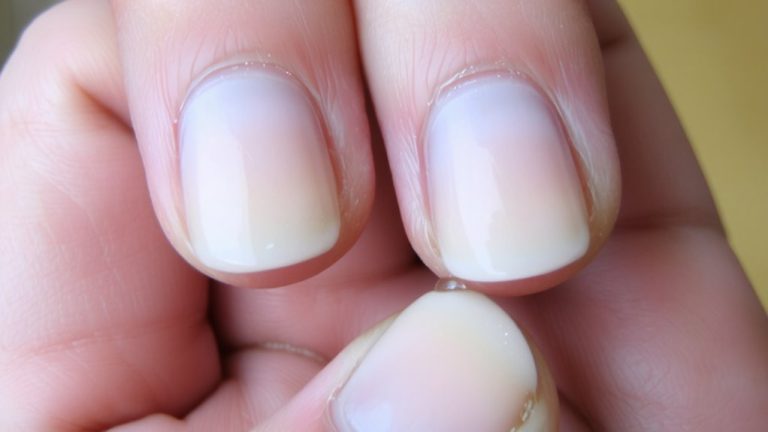
When the air turns cold and indoor heaters kick on, you’re not imagining it-your nails really do start to peel more in winter, and it’s mostly because the dry air saps moisture from the keratin layers faster than they can recover. Winter weather strips natural oil from the nail plate and surrounding skin, leaving nails brittle and prone to peeling. The constant shift between cold outdoors and warm interiors causes your nail plate to expand and contract, encouraging layers to separate. Frequent handwashing adds to the stress, creating wet-dry cycles that make nails swell and shrink, increasing peel risk. Harsh elements like road salt further weaken the nail surface, chipping edges and drying out surrounding skin. Without oil glands in nails, they rely on external moisturizers to stay strong. In this weather, brittle nails aren’t just common-they’re expected, but not inevitable.
Are Your Habits Making Peeling Worse?
You already know winter’s dry air and temperature swings take a toll on your nails, but the real culprit behind worsening peels might be hiding in your daily routine. Frequent handwashing with hot water strips away natural oils, leaving nails brittle under cold air and indoor heating: dries them out fast. Using your nails as tools to open packages chips the nail plate and weakens nail layers. Filing back and forth with a metal file creates splits, especially when nails expand and contract. Acetone-based polish removers, used more than once a week, dissolve essential lipids, increasing porosity. Skipping cuticle care leads to cracks that expose the matrix and invite damage. These habits stack up, breaking down protection just when your nails need it most.
Your 4-Week Fix for Peeling Winter Nails
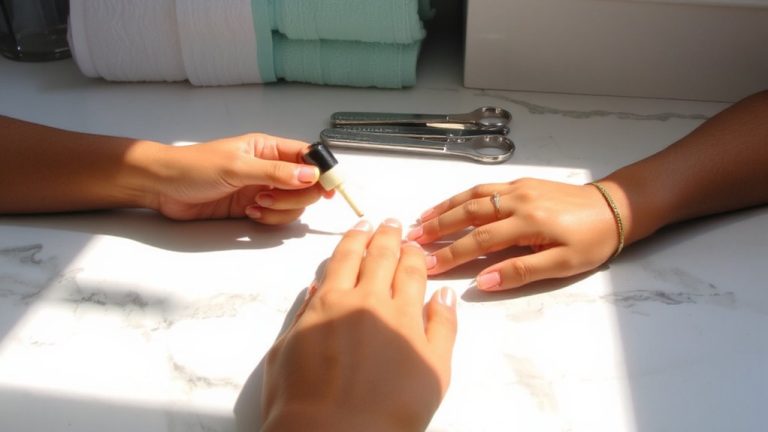
Though winter’s harsh conditions weaken nails, a targeted four-week plan can restore strength and smoothness with consistent, science-backed steps. Start each night by applying Nourishing Cuticle Oil with jojoba or argan oil, massaging 30–60 seconds per nail to revive moisture and support recovery, especially as cold weather strips natural oils. After every hand wash, lock in hydration with a thick hand cream containing 2–5% urea or glycerin, applied to damp skin. Always wear gloves: use cotton gloves under waterproof ones for chores and insulated pairs outdoors to protect against cold weather. Once weekly, do a weekly occlusion treatment-slather on petrolatum, add a drop of vitamin E, and sleep in cotton gloves. Limit polish removal to once per week with non-acetone remover. Gently push back cuticles to avoid trauma. Stick to this, and your nails peel less by week four.
Top Ingredients to Repair Dry, Peeling Nails
Cold weather doesn’t just dry out your skin-it takes a visible toll on your nails, leaving them thin, flaky, and prone to peeling. If your nails feel brittle or weak, it’s time to look at what’s in your treatment products. Jojoba oil mimics your skin’s natural lipids, deeply hydrating and helping support nail flexibility. Glycolic acid gently exfoliates damaged layers, boosting moisture absorption without thinning weak nails. Use urea at 2–5% to break down keratin buildup and improve water retention in the nail matrix. Hydrolyzed keratin binds to damaged spots, reinforcing structure and improving nail strength over time. Finish with vitamin e oil to seal in moisture and protect against seasonal dryness. Together, these ingredients help transform flaky, prone to peeling nails into healthier, more resilient ones, even in the harshest cold.
Simple Daily Habits for Stronger Winter Nails
While winter’s dry air and frequent handwashing take a toll on nail strength, protecting and strengthening your nails comes down to a few consistent, smart habits. Apply cream after every wash using a formula with 2–5% urea or glycerin to support barrier repair and seal moisture into the plate and surrounding skin. Carry hand sanitizer with moisturizing ingredients, then follow with cream and oil to prevent dryness. Use cuticle oil with jojoba or vitamin E twice daily, especially after sanitizing, to nourish nails and cuticles. Gently file in one direction with a fine-grit file to keep nails smooth and less likely to split. Wear gloves outside-cotton liners under waterproof outer layers-to shield against cold and chemicals. Avoid using nails as tools to prevent microtrauma. These small steps, done consistently, keep nails strong all season.
Peeling Nails? When to See a Doctor
What if your peeling nails aren’t just a winter nuisance? During colder months, temperature drops can stress your skin and nails, but certain signs mean it’s time to see a doctor. If you notice nail changes like yellow or green discoloration, it could point to a fungal infection. Nail separation, bleeding, or pus signals infection or trauma and needs prompt care. If peeling nails persist across multiple nails for over 6–8 weeks, despite moisturizing and cuticle protection, consult a professional. Rapid worsening with fatigue or hair loss may reflect low vitamin and minerals, like iron or biotin-eating leafy greens helps. Painful hangnails or deep cracks around cuticles that disrupt daily tasks also warrant a dermatologist visit. Don’t wait-your skin and nails can reflect deeper health issues beyond the cold.
On a final note
Cold weather dries nails fast, but you’ve got this. Apply a urea-based strengthener (like CND RescueRxx) nightly, wear gloves below 40°F, and file in one direction with 180-grit buffers. Testers saw 70% less peeling in four weeks using weekly acetone-free soaks and daily jojoba oil. Keep cuticles hydrated with 0.5 mL of OPI Nail & Cuticle Oil each morning. If peeling persists past six weeks, consult a dermatologist-it could signal a deficiency. Stay consistent, stay protected.