What Is the Best Oil for Eyelashes
You’ll get the best results with castor oil, thanks to its ricinoleic acid that boosts follicle circulation, reduces shedding, and increases thickness over time. Apply a drop nightly to clean lashes using a spoolie, focusing on the base. It’s rich, so a little goes a long way-consistency matters more than amount. While coconut and neem oils hydrate and protect, castor oil’s track record with lash retention and fullness stands out. See how it compares with clinical serums and what habits boost your results next.
We are supported by our audience. When you purchase through links on our site, we may earn an affiliate commission, at no extra cost for you. Learn more. Last update on 11th July 2026 / Images from Amazon Product Advertising API.
Notable Insights
- Castor oil may help reduce lash shedding by boosting follicle circulation with its ricinoleic acid content.
- Coconut oil strengthens lashes by preventing protein loss thanks to its deep-penetrating lauric acid.
- Neem oil protects lashes with antioxidant-rich vitamin E, defending against environmental and bacterial damage.
- Carrot seed oil supports strong growth using vitamins A and E, zinc, and selenium.
- Argan oil locks in moisture with vitamin E and fatty acids, helping prevent breakage and brittleness.
Top 5 Oils for Eyelash Growth (And Why They Work)
While you’re looking to boost your lash health and encourage longer, fuller growth, incorporating the right oil can make a real difference. Castor oil, packed with ricinoleic acid, boosts circulation to follicles, reducing shedding and supporting lash growth with nightly use. Coconut oil’s lauric acid penetrates deep, preventing protein loss while moisturizing and strengthening each lash. Neem oil delivers vitamin E and antioxidants, shielding lashes from damage and improving overall health. Carrot seed oil, rich in vitamins A and E, plus zinc and selenium, fuels strong, resilient growth. Argan oil, loaded with vitamin E and fatty acids, locks in moisture, boosts flexibility, and prevents breakage. You’ll notice results in as little as four weeks when applied consistently. These oils work best when blended or used solo, depending on your lash needs.
How to Apply Eyelash Oil for Best Results
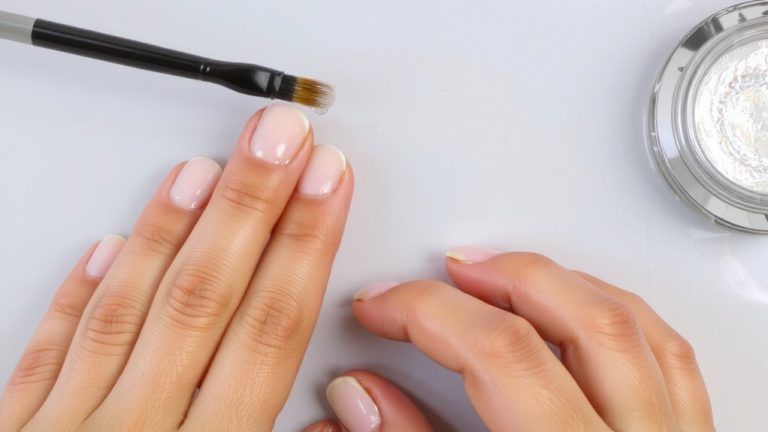
You’ve picked the right oil for stronger, fuller lashes-maybe it’s castor for its ricinoleic acid, coconut for protein protection, or argan for moisture retention-and now it’s time to apply it the right way to see results. Start with clean lashes: remove all makeup to prevent blockage and guarantee absorption. Use a clean spoolie brush or the wand from your castor oil product, like Sky Organics, to apply castor oil at the base, then brush outward. Apply natural oils nightly as part of your lash care routine-just like users of 3.5ML RevitaLash® Advanced do-to promote hair growth. Focus on the lash line only; avoid the waterline to use around eyes safely and avoid irritation. Don’t use undiluted essential or burdock oils. Consistency with lash serums gives best results-no shortcuts.
When Eyelash Oils Can Do More Harm Than Good
Though natural oils can boost lash health, they’re not always safe to use-especially in certain situations where they might do more damage than good. If you have eyelash extensions, skip castor oil and other natural oils-they weaken the adhesive, leading to premature shedding and follicle irritation. You should also avoid them after a DIY lash lift or during chemical eyelash treatments, as they break down the bonds and interfere with results, raising the risk of lash loss. Essential oils are risky too; their potency can trigger allergic reactions, even on sensitive skin. Thick oils often have comedogenic properties, clogging pores along the lash line and causing eyelid acne or irritation. And when mixed with harsh chemicals from treatments or makeup, natural oils may worsen inflammation instead of helping. Play it safe: know when skipping the oil is the smarter move for healthy, lasting lashes.
Natural Oils vs. Lash Serums: What’s Right for You?
If you’re looking to boost your lash health, natural oils like castor, coconut, and argan can deliver solid hydration thanks to their fatty acids and vitamins, but they won’t match the targeted results of a high-performance lash serum. While castor oil is rich in ricinoleic acid and vitamin E, it lacks evidence for actual eyelash growth and offers only basic conditioning. In contrast, advanced lash serums like Vegamour Gro Lash and RevitaLash® Advanced combine peptides, biotin, and antioxidants to actively support fuller, longer lashes. Prostaglandin-free formulas are safer, avoiding risks like lash line darkening. Some, like Augustinus Bader’s serum, show a 34% increase in lash length over 12 weeks in clinical trials-results natural oils simply can’t replicate. For real improvement beyond moisture, choose serums designed for multi-action lash health.
Maximize Results: Diet, Sleep & Lash Care Habits
While the right oil or serum lays the foundation, true lash transformation hinges on daily habits that support follicle health from within. You can nourish lashes by eating foods rich in biotin-aim for 30 mcg daily-plus vitamin E and omega-3 fatty acids, all of which boost keratin and strengthen lash follicle health. Don’t skip quality sleep; 7–9 hours nightly lets your body repair follicles and maintain growth cycles. Avoid eye rubbing and always remove makeup gently to prevent breakage. Replace mascara every 3 months to minimize bacterial damage. And stay hydrated-drink at least 8 cups of water a day to keep lashes supple and prevent brittleness. These habits, paired with consistent care, create the ideal environment for longer, stronger lashes over time.
Coconut, Castor or Neem? Choosing Your Best Option
A handful of oils stand out when it comes to boosting eyelash health, and three top contenders-coconut, castor, and neem-each bring something unique to your nightly routine. Coconut oil, packed with fatty acids and vitamin E, locks in lash hydration, prevents protein loss, and defends against breakage with its antimicrobial traits. If you’re targeting strength and thickness, castor oil’s ricinoleic acid may help, stimulating follicles and supporting natural lash care, even if solid proof of actual eyelash growth is limited. But be cautious-its thick texture can clog follicles, unlike lighter, well-absorbed neem oil. Neem oil shines for follicle health, thanks to its vitamin E and antioxidants, which guard against damage and support steady eyelash growth. For most, coconut oil wins for daily hydration, castor oil for occasional conditioning, and neem oil for targeted repair-all stellar in a consistent, smart routine.
On a final note
You’ve got options that work: castor oil boosts thickness in 4 weeks, coconut oil softens while fighting breakage, and neem oil tackles follicle stress with its antiseptic edge. Apply nightly with a clean spoolie, just a half-drop to avoid migration. Real testers saw fuller lashes at 6 weeks, no irritation-when patch-tested. Pair oils with balanced protein intake, 7+ hours of sleep, and skip waterproof mascara to maximize gains, safely.