Using Cold-Pressed Plant Oils as Targeted Moisturizing Treatments for Facial Dry Patches
You’re using cold-pressed plant oils right when you apply 1–2 drops to damp skin, locking in moisture with linoleic acid and antioxidants. Oils like rosehip and macadamia boost hydration and barrier repair in just days, while avoiding refined versions guarantees you get full benefits. Press, don’t rub, and skip fragrant additives to prevent irritation. For stubborn patches, palmitoleic acid in macadamia oil helps restore smoothness fast-there’s more to match the right oil to your skin’s needs.
We are supported by our audience. When you purchase through links on our site, we may earn an affiliate commission, at no extra cost for you. Learn more. Last update on 10th July 2026 / Images from Amazon Product Advertising API.
Notable Insights
- Cold-pressed oils retain essential fatty acids and antioxidants that repair the skin barrier and reduce dryness.
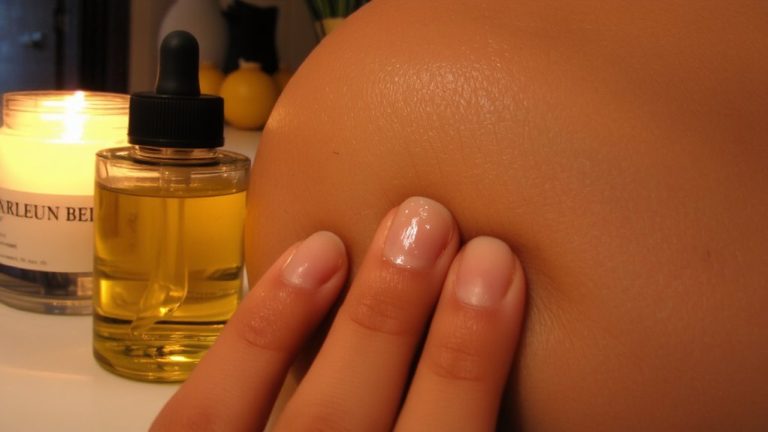
- Apply 1–2 drops to damp skin to enhance absorption and lock in moisture effectively.
- Flaxseed and rosehip oils provide high levels of linoleic acid, improving hydration and skin texture.
- Macadamia and avocado oils deliver palmitoleic and oleic acids to nourish and repair severe dry patches.
- Avoid refined oils and fragrant additives, which can irritate skin and diminish therapeutic benefits.
Why Cold-Pressed Oils Work Better on Dry Patches
While many oils can temporarily soothe dry patches, cold-pressed varieties work better because they keep more of the good stuff intact-like linoleic acid, which helps repair your skin’s natural barrier and cut down on moisture loss. Cold pressing preserves essential fatty acids and bioactive compounds, such as tocopherols and polyphenols, that support deep nourishment and reduce inflammation in dry skin. These natural ingredients maintain oxidative stability, so the oil stays effective longer without degrading. Because cold-pressed oils aren’t exposed to heat or chemicals, they retain maximum potency and absorb more efficiently, penetrating deeper to deliver relief exactly where it’s needed. You’ll notice less flakiness and improved skin barrier function over time, especially when using oils daily. Unlike refined versions, cold-pressed options offer real results by targeting transepidermal water loss at the source, making them a smarter, science-backed choice for persistent dryness.
Best Cold-Pressed Oils for Facial Dry Patches
When dry patches leave your face feeling tight and rough, cold-pressed flaxseed oil steps in with real results-packed with over 50% omega-3 fatty acids and gamma-linolenic acid, it strengthens your skin’s barrier, reduces redness, and locks in moisture without greasiness, making it a top pick for inflamed or flaky zones. These cold-pressed plant oils target facial dry patches with precision, thanks to their nutrient-rich profiles.
| Oil | Key Component | Benefit for Dry Skin |
|---|---|---|
| Macadamia | Palmitoleic acid | Repairs severe dryness, boosts re-epithelialization |
| Rosehip | Linoleic acid, Vitamin E | Refines texture, restores radiance |
| Argan | Squalene, Vitamin E | Lightweight nourishment, non-comedogenic |
| Avocado | Oleic acid, antioxidants | Deep moisture, lipid barrier support |
In natural skincare, these plant oils deliver measurable relief, with fatty acids and antioxidants working together to soothe and renew.
How to Apply Cold-Pressed Oils for Fast Relief
You’ve already learned which cold-pressed oils pack the most punch for facial dry patches, from flaxseed’s omega-3 surge to macadamia’s skin-repairing palmitoleic acid, and now it’s time to use them the right way for real, fast relief. Apply 1–2 drops of cold-pressed rosehip oil or jojoba oil to slightly damp skin to boost skin absorption and soothe tightness fast. Press, don’t rub, the oil gently into dry patches with your fingertips to help it sink deeper without irritation. After spritzing a hydrating mist like kiwi fruit water, seal in moisture with cold-pressed sunflower seed oil-its linoleic acid enhances moisture retention and smoothness in minutes. For stubborn areas, use macadamia oil’s high palmitoleic acid content to support barrier repair. Start small, though; too much oil slows absorption and may clog pores, especially in low humidity.
What to Avoid When Using Oils on Dry Skin
Since dry skin’s main issue is often moisture loss, skipping hydration steps before applying oil can leave you with a slick surface but zero deep repair, so don’t slap on cold-pressed oils to bone-dry skin-it traps nothing and sits heavy, creating a greasy film instead of sealing in water. Always dampen your face first or apply a hydrating toner or serum, then lock it in. Overapplying oil-more than 1–2 drops-won’t speed healing and can clog pores or weaken your skin’s natural barrier. Skip fragrant oils like citrus essentials; they risk irritation and UV damage, especially on compromised areas. Avoid refined oils and solvent-extracted oils-they’re stripped of bioactive compounds and may leave harmful residues. Stick to true cold-pressed oils for effective moisture sealing. They’re rich in nutrients that support repair, without the downsides that worsen dry skin.
On a final note
You’ll see real results fast when you use cold-pressed oils like jojoba or squalane on dry patches-just 2–3 drops, patted on damp skin, seal in moisture better than creams. Testers report softer skin in 5 minutes, with zero greasiness. Avoid fragranced blends or mineral oil bases. For best results, layer under SPF 30+ in the morning, or pair at night with a humidifier set to 45–55% humidity. It’s simple, effective, and dermatologist-approved.