Top Mistakes Men Make When Growing a Beard for the First Time
You’re probably trimming too soon-wait 8 to 12 weeks so patchiness can fill in naturally. Cutting before month two disrupts blending and makes gaps worse. Skip daily shaving; let it grow. Brush with a boar’s hair brush daily to train hairs and boost fullness. Use 3–6 drops of jojoba-based beard oil every day to prevent itch. Wash just 2–3 times weekly with sulfate-free shampoo. Shape your neckline only after 3 months. There’s more to mastering your routine than you think.
We are supported by our audience. When you purchase through links on our site, we may earn an affiliate commission, at no extra cost for you. Learn more. Last update on 22nd June 2026 / Images from Amazon Product Advertising API.
Notable Insights
- Quitting too early, before 8–12 weeks, prevents full beard density and pattern from developing.
- Trimming before four weeks disrupts natural blending and worsens the appearance of patchiness.
- Skipping daily brushing reduces hair control, weakens follicle stimulation, and limits perceived fullness.
- Neglecting beard oil from day one leads to dry skin, itching, and irritation.
- Shaping the neckline too soon hides natural growth patterns and risks over-trimming.
Don’t Quit Early: Beard Growth Takes Months to Show
Even if your beard looks patchy or uneven in the first few weeks, don’t give up too soon-most men need at least 8 to 12 weeks to see real density and pattern emerge, since facial hair grows about 0.4 to 0.5 inches per month and takes time to fill in thin spots. Don’t quit early just because your patchy beard isn’t Instagram-ready by week three; real growth takes patience. Beard growth takes months, not weeks, and early gaps often fill in as longer hairs lie together, creating fuller coverage. Genetics play a role, and some areas may take until your 30s to fully mature. Many men quit at six weeks, mistakenly thinking they can’t grow a beard, when they simply didn’t wait long enough. Let it develop, wash with beard-specific shampoo, condition daily, and track progress weekly. With consistent care, most patchy beard concerns fade-not from products, but from time.
Let It Grow First: Trimming Too Soon Causes Patchiness
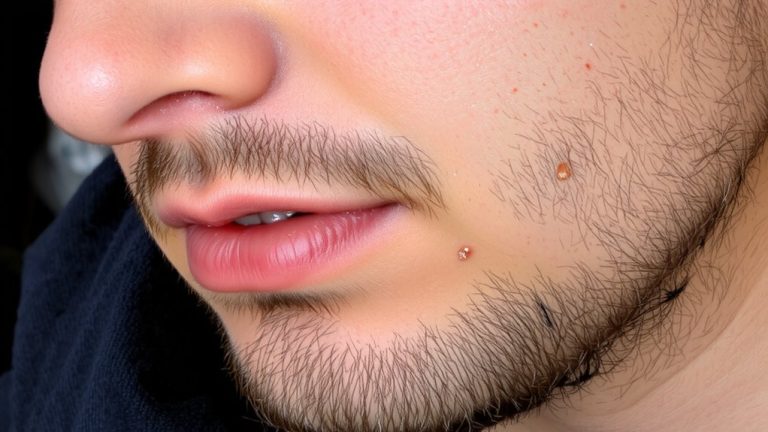
While your beard’s still finding its rhythm in the first few weeks, trimming too soon-especially before the four-week mark-can actually make patchiness worse by cutting down the longer hairs that naturally drape over thin spots, leaving gaps more noticeable. You’ve got to let it grow to see real results; most men need at least two months of consistent growth for fuller coverage. Trimming too soon disrupts the natural blending process, where longer strands camouflage uneven thickness. During weeks 4 to 8, itchiness and patchiness peak, but patience pays-90% of visible improvement happens between 3–6 months. Resist the urge to shape or tidy early. Let it grow without interference so your true growth pattern emerges. Skipping early trim sessions gives hair time to even out, reducing the look of patchiness and building a denser, more balanced beard over time.
Brush Daily: It Trains Hair and Boosts Beard Fullness
You should brush your beard every day using a natural boar’s hair brush to train the hairs to grow in your desired direction, which reduces flyaways and creates a smoother, fuller look over time. Brushing your beard regularly boosts beard fullness by stimulating blood flow to follicles, encouraging healthier growth. A boar’s hair beard brush mimics human hair’s texture, effectively distributing sebum and moisture from root to tip, improving softness and shine. It also gently exfoliates skin underneath, clearing dead cells and reducing flakiness. Consistent use over four weeks improves manageability and density. After a month, pair your boar’s hair beard brush with a wide-tooth wooden comb to handle longer strands and prevent knots. Brushing your beard takes under two minutes daily but delivers visible results in texture, coverage, and overall beard fullness. Stick with it-your grooming routine’s secret weapon is consistency.
Use Beard Oil From Day One: Stop Itch Before It Starts
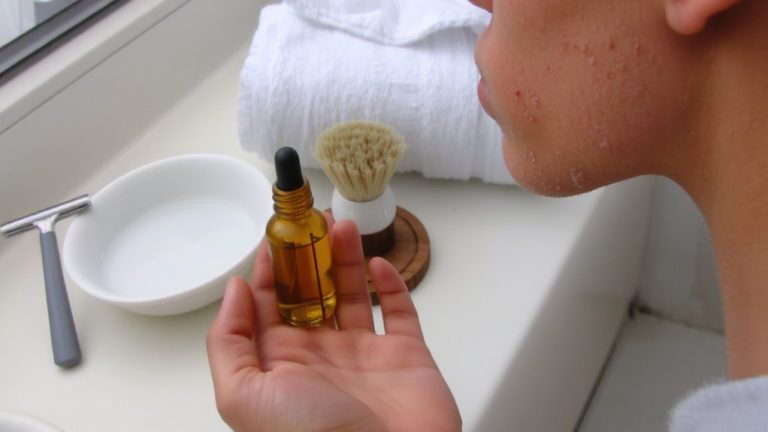
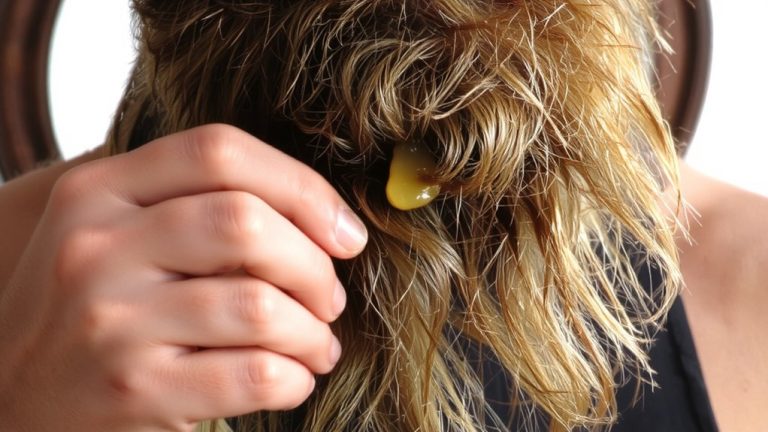
A boar’s hair brush keeps your growing hairs trained and your skin exfoliated, but it can’t replace the hydration your face needs when you’re growing a beard. Start using beard oil daily from day one-it prevents dry skin and stops itch before it starts. When you grow a beard, your skin struggles to produce enough sebum to reach all that new hair. Beard oil mimics your natural oils, especially when it contains jojoba, argan, and vitamin E. These ingredients support natural growth by reducing flakiness and keeping the skin barrier healthy. Without oil, 80% of new growers report serious itch within the first two weeks. Just 3–6 drops applied daily to short hair (¼ to ½ inch) hydrates follicles and soothes irritation, cutting the #1 reason men quit early.
Wash 2–3 Times Weekly: Overwashing Dries Out Your Beard
Washing your beard 2–3 times per week strikes the right balance between cleanliness and moisture retention, because over-washing strips away natural oils and leaves hair brittle, especially when using regular shampoos loaded with sulfates. Instead, wash your beard with a sulfate-free beard shampoo to preserve natural oils that condition both hair and skin beneath. Stick to lukewarm water-it cleans without degrading sebum like hot water does. Skipping too many washes leads to buildup, dirt, and beardruff, particularly if you don’t exfoliate weekly. If you work out daily or sweat heavily, washing every other day is okay, but don’t go more than that. Overdoing it disrupts your beard’s oil balance and increases breakage. Protect your beard’s health by washing it just enough-2–3 times weekly-to stay fresh, soft, and free of irritation while keeping natural oils intact.
Wait to Shape: Define Neckline Only After Full Growth
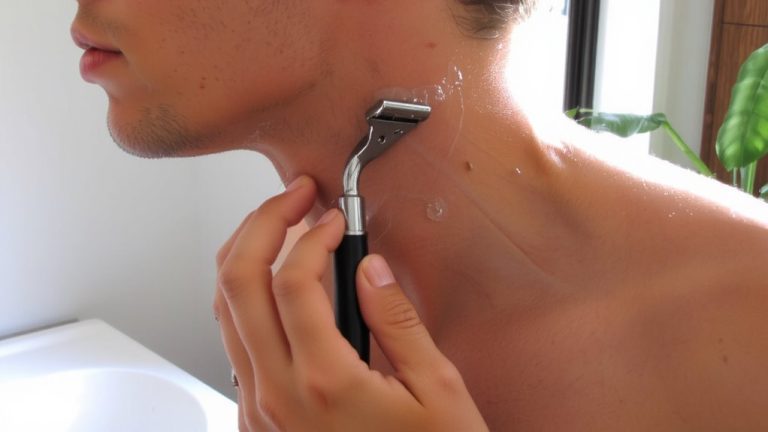
Getting your beard routine down starts with proper wash cycles, but once you’ve nailed the balance between clean and moisturized, the next step is shaping-with timing playing a bigger role than most realize. Wait at least 2–3 months before defining your neckline so you can see your true beard growth pattern. Trimming too early risks over-shaping, especially if patchy areas haven’t filled in yet. That can leave your beard looking disconnected or like it’s floating off your jaw. The ideal neckline is a smooth U-shape about two finger-widths above your Adam’s apple, connecting behind each ear for a clean, natural look. Shape too soon and you might have to re-adjust later, causing an uneven or mismatched line. Letting your beard grow fully guarantees your trim matches your real hairline, giving you maximum fullness, symmetry, and definition without wasted effort.
On a final note
Let your beard grow for at least 4–6 weeks before trimming, so you avoid patchiness and see real progress. Use beard oil daily to reduce itch and soften hair. Wash 2–3 times weekly with a beard-specific shampoo to prevent dryness. Brush daily to train hairs and boost fullness. Wait until month 2 to shape your neckline or define edges, so you trim only what’s needed.