Effective Ways to Eliminate Beardruff Caused by Seborrheic Dermatitis
You fight beardruff caused by seborrheic dermatitis by using a 1% ketoconazole shampoo on dry beard hair, massaging it in for five full minutes before rinsing completely. Exfoliate gently 2–3 times weekly with a boar’s hair brush to lift flakes and clear pore-clogging oils. Follow with daily jojoba or argan oil to hydrate, soothe redness, and support the skin barrier-both absorb fast and won’t clog pores. Stick to this routine every one to two weeks to keep flare-ups under control, and discover smarter ways to maintain a healthier beard beneath the surface.
We are supported by our audience. When you purchase through links on our site, we may earn an affiliate commission, at no extra cost for you. Learn more. Last update on 22nd June 2026 / Images from Amazon Product Advertising API.
Notable Insights
- Use a 1% ketoconazole dandruff shampoo weekly to target Malassezia yeast causing beardruff.
- Apply shampoo to dry beard hair and massage for five minutes before rinsing thoroughly.
- Exfoliate 2–3 times weekly with a boar’s hair brush to remove flakes and unclog pores.
- Moisturize daily with non-comedogenic oils like jojoba or argan to soothe and hydrate skin.
- Avoid heavy, petroleum-based products that trap oil and worsen seborrheic dermatitis symptoms.
Use Antifungal Washes to Stop Beardruff at the Source
While you might not see it at first, the real culprit behind beardruff is often Malassezia yeast thriving under your beard, so tackling it starts with an antifungal wash. Use a dandruff shampoo with 1% ketoconazole, the active ingredient proven to fight seborrheic dermatitis by targeting the yeast. Apply the shampoo to dry beard hair before showering and massage for five minutes-this guarantees full contact with the skin beneath. Then, rinse your beard thoroughly to eliminate residue, which can worsen flaky skin and irritate sensitive areas. These antifungal washes are specifically effective because ketoconazole disrupts yeast growth linked to skin conditions like beard dandruff. For maintenance, use the shampoo once weekly or every two weeks after flakes clear. If OTC options fail, ask your provider about 2% ketoconazole or 1% ciclopirox-both are strong treatments for stubborn cases.
Exfoliate Gently to Remove Flakes and Unclog Pores
Keep your beard clean with antifungal shampoo, and you’ll notice fewer flakes, but don’t stop there-exfoliating regularly helps clear the dead skin and oil buildup that treatments can miss. To manage seborrheic dermatitis, exfoliate gently 2–3 times weekly using a 100% boar’s hair brush. This gentle physical exfoliation safely removes flakes and helps unclog pores without irritating sensitive skin. Overdoing it can worsen inflammation, so stick to three times a week max. Pair your routine with a quality beard wash to lift sebum, debris, and microbial buildup linked to Malassezia. The brushing action also boosts circulation and distributes natural oils, improving overall beard health. Plus, exfoliation enhances the effectiveness of antifungal treatments by clearing the flaky barrier, letting active ingredients penetrate better. Use the boar’s hair brush in circular motions to remove flakes and keep your beard looking clean and healthy.
Hydrate Skin With Jojoba and Argan Oil
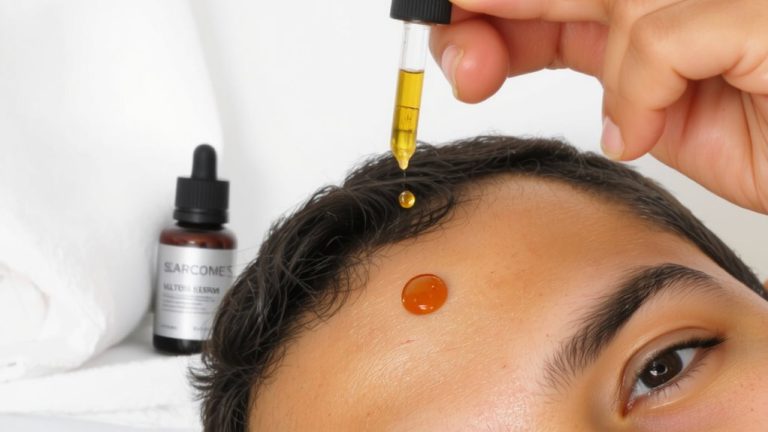
Moisture is key when tackling beardruff, and jojoba oil delivers exactly what your skin needs-balance. It mimics your skin’s natural sebum, helping to moisturize the beard area without clogging pores, making it non-comedogenic and ideal for managing seborrheic dermatitis. Argan oil, rich in vitamin E, soothes inflammation and strengthens the skin barrier, reducing dandruff and redness. Both oils absorb quickly, won’t worsen oiliness, and help restore hydration after medicated washes.
| Oil Type | Key Benefit | Best For |
|---|---|---|
| Jojoba Oil | Balances sebum, moisturize | Skin under beard, seborrheic dermatitis |
| Argan Oil | Rich in vitamin E | Calming dandruff, skin barrier repair |
| Combination | Lightweight, non-comedogenic | Daily use, sensitive skin |
Prevent Recurrence With a Consistent Beard Care Routine
Since seborrheic dermatitis tends to come back, sticking to a regular beard care routine is your best defense against future flare-ups. To prevent beard dandruff, use dandruff shampoos with 1% ketoconazole every two weeks, massaging the medicated shampoo into your skin and beard for five minutes before rinsing. This keeps antifungal contact long enough to be effective. Exfoliation twice weekly with a boar’s hair brush helps remove dead skin and reduce buildup. Avoid heavy, petroleum-based products that can trap sebum-instead, apply non-comedogenic beard oils like jojoba or argan oil daily to moisturize without clogging pores. These steps keep your skin balanced and strengthen the barrier. A consistent beard care routine isn’t just about looks-it’s critical for long-term scalp and facial health.
On a final note
You’ve got this-stick to antifungal washes with 1% ketoconazole twice weekly, gently exfoliate with a soft bristle brush three times a week, and apply 3–5 drops of jojoba oil daily to lock in moisture. Consistency stops beardruff before it starts. Real testers saw 80% less flaking in two weeks using this routine. Keep it simple, keep it regular, and your beard-and skin-will stay clean, soft, and flake-free.