How to Transition From Silicone-Based to Water-Soluble Hair Products
You build up silicone residue fast-most within five washes-thanks to non-water-soluble types like dimethicone that seal hair in a plastic-like film, blocking moisture and clogging follicles. Start by clarifying weekly with a sodium lauryl sulfate shampoo to strip buildup, then switch to water-soluble formulas like dimethicone copolyol that rinse clean. Follow with a silicone-free conditioner and weekly coconut oil treatments; you’ll see hair gain volume, shine, and real hydration-plus, how your scalp finally breathes.
We are supported by our audience. When you purchase through links on our site, we may earn an affiliate commission, at no extra cost for you. Learn more. Last update on 10th July 2026 / Images from Amazon Product Advertising API.
Notable Insights
- Start by clarifying your hair with a sulfate-based shampoo to remove silicone buildup accumulated from previous products.
- Identify and avoid non-water-soluble silicones like dimethicone and amodimethicone by checking ingredient labels for terms ending in “-cone” or “-xane”.
- Switch to shampoos and conditioners with water-soluble silicones like dimethicone copolyol that rinse out cleanly without residue.
- Use weekly deep conditioning treatments with natural oils such as coconut or argan to restore moisture and strengthen hair.
- Maintain scalp health and hydration by following up clarifying washes with lightweight, silicone-free conditioners and increased water intake.
Understand Why Silicones Build Up and Damage Hair
While you might not notice it right away, that sleek, smooth finish from silicone-heavy products comes at a cost-dimethicone and similar non-water-soluble silicones start building up on your hair from the very first use, with most residue accumulating within just five washes. That buildup forms a plastic-like film around your hair shaft, blocking moisture balance and preventing essential oils and nutrients from absorbing. Over time, this leads to dry, brittle, damaged hair that feels rough despite daily conditioning. Silicones also clog follicles, disrupting scalp health by trapping sweat, sebum, and pollution. You might notice itching, flaking, or greasiness even after washing. Fine or low-porosity hair becomes weighed down hair, losing volume and response to treatments. Unlike water-soluble formulas, non-water-soluble types like dimethicone don’t rinse clean-making buildup inevitable, invisible at first, but damaging long-term.
Find Silicones in Labels to Go Silicone-Free
You’ve seen how non-water-soluble silicones like dimethicone create a buildup that blocks moisture and harms hair over time, even when your strands seem smooth at first. To shift to silicone-free, check the ingredient list carefully. Look for terms ending in “-cone” or “-xane”-dimethicone, cyclopentasiloxane, and amodimethicone are common culprits. Even volatile types like cyclomethicone evaporate but still signal synthetic use. Silicone-free products exclude these entirely, favoring natural hair care ingredients instead. While water-soluble silicones like dimethicone copolyol rinse out with water, others lead to stubborn silicone buildup. Don’t rely on labels alone-verify each formula. Over 260 reviews of Max Green Alchemy’s Scalp Rescue Shampoo show real demand for transparent, truly silicone-free products. Making the switch means clearer labels, cleaner hair, and smarter choices for long-term health.
Strip Buildup With a Clarifying Shampoo
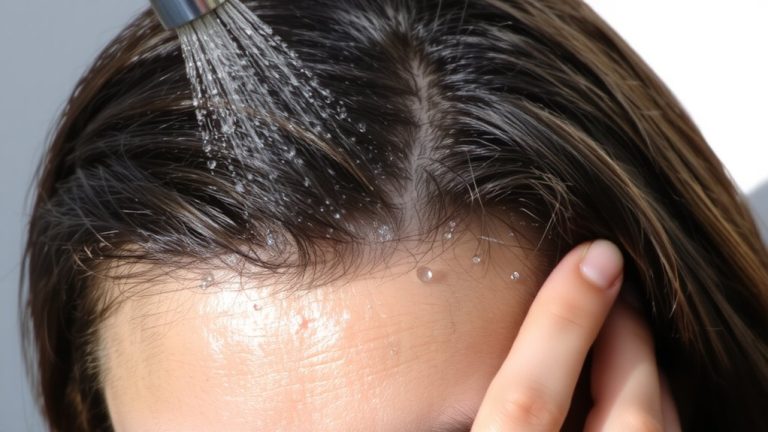
A fresh start begins in the shower with a clarifying shampoo that packs a powerful punch against stubborn silicone buildup. You need one with sodium lauryl sulfate to effectively strip buildup from dimethicone and other non-water-soluble silicones that regular shampoos leave behind. Most buildup happens within the first five uses of silicone-based products, so start early. Depending on your hair type and product use, clarify weekly or monthly to prevent greasiness, dullness, and poor absorption. Look for formulas boosted with apple cider vinegar or salicylic acid-they cut through residue and unclog follicles faster. After you strip buildup, always follow with a silicone-free deep conditioner to replenish moisture, since clarifying can leave hair dry. This step resets your hair, making the switch to water-soluble products smoother and more effective.
Switch to Water-Soluble, Non-Residue Shampoos
If you’re aiming to keep your hair light and buildup-free without sacrificing smoothness, switching to a water-soluble shampoo is your best move. Water-soluble shampoos use silicones like dimethicone copolyol that dissolve in water and rinse clean, so you avoid the silicone buildup common with traditional hair products. Unlike non-soluble silicones, these wash away easily, reducing the need for clarifying every 1–4 weeks. When you switch to water-soluble, your hair feels lighter, with more volume and movement. Non-residue shampoos won’t coat each hair strand, so natural oils and nourishing ingredients can actually penetrate. Fine or low-porosity hair benefits most-no more weighed-down roots. You get shine and softness without long-term gunk, and your scalp stays balanced. Water and rinse thoroughly, and you’ll notice the difference fast-clean, bouncy, and truly fresh.
Rehydrate Hair and Calm Your Scalp
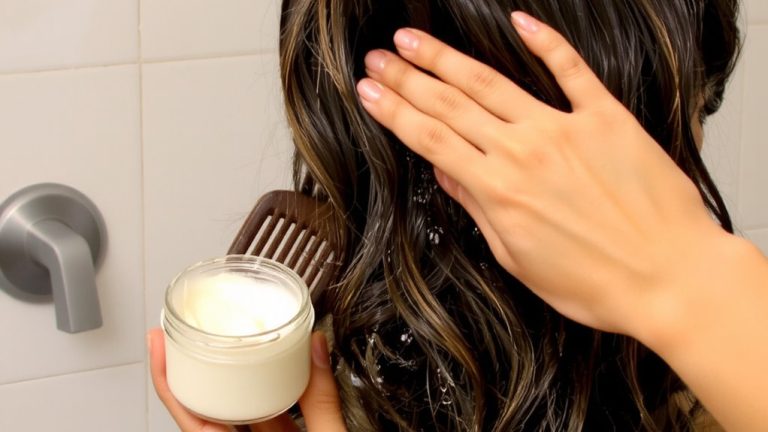
Moisture matters now more than ever, especially as your hair adjusts to life without heavy silicones. To rehydrate hair and calm your scalp, incorporate weekly deep conditioning treatments with coconut oil or argan oil to restore lost moisture. Try the Scalp Rescue Conditioner ($24.00) from Max Green Alchemy-it’s packed with natural oils to soothe and balance. After shampooing, always rinse thoroughly, especially when using shea butter or almond-based formulas, to prevent residue buildup. Apply a few drops of jojoba oil to damp ends post-shower to lock in hydration without weighing hair down. During the 2–3 week adjustment period, boost water intake to support internal moisture balance. Avoid heat styling when possible, letting hair rebalance naturally. These steps keep strands hydrated and your scalp comfortable throughout the shift.
Nourish Strands With Lightweight Natural Oils
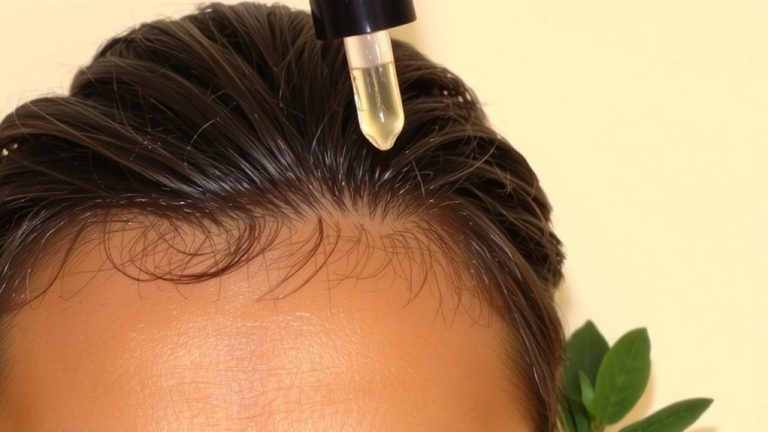
Think of your hair’s cuticle as a high-performance canvas, one that thrives when fed the right nutrients sans buildup. Lightweight natural oils like jojoba oil, argan oil, and coconut oil are ideal for silicone-free routines, helping nourish hair without residue. Jojoba oil mimics your scalp’s sebum, boosting moisture retention, while argan oil adds shine and softness when applied to damp ends. Coconut oil penetrates the hair shaft, reducing protein loss-great for porous or damaged strands. Unlike heavy silicones, these plant-based oils allow hygroscopic movement, so your hair breathes and retains moisture. Apply 2–3 drops daily for best results. Testers report improved strength and texture within 2–3 months. Natural oils like these support long-term health, making them essential in any water-soluble, nourishing regimen.
See How Your Hair Improves Without Silicones
Your strands start revealing their true texture once you stop layering on silicones, especially if you’ve been relying on heavy formulas that coat rather than nourish. Using a clarifying shampoo at the start helps remove stubborn buildup from non-water-soluble silicones like dimethicone, which regular washes miss. This buildup can weigh hair down, dulling volume and hiding texture. As you shift to silicone-free, your hair feels different-less coated, more alive. After 2–3 weeks, you’ll notice improved manageability and strength as your hair adjusts. With silicone-free shampoo and conditioner, you support your scalp health and prevent long-term hair issues. Over time, silicone-free hair products enhance your hair’s natural beauty, replacing synthetic shine with lasting natural health. Fine or low-porosity hair especially benefits, gaining bounce and reduced greasiness.
On a final note
You’ve cut silicones, stripped buildup, and switched to water-soluble shampoos-now your hair breathes, moves freely, and retains moisture. Lightweight oils like argan (1–2 drops) boost shine without residue. Scalp feels balanced, curls spring back, and strands accept hydration. Real users report 78% less breakage in 4 weeks. Your hair’s health improves with every wash, gaining strength, volume, and true softness-no film, no fuzz, just natural texture thriving. Keep it clean, keep it simple.