How to Apply Hair Color on Gray Hair for Full Coverage
Start with dry, unwashed hair and apply barrier cream along your hairline, behind ears, and on your neck, then rinse hands before slipping on gloves. Mix the full color and activator, shake for 20 seconds until slightly purple, and apply right away using the bottle’s tip to part hair cleanly. Focus on roots first-especially grays at the crown and hairline-using back-and-forth motions for full saturation; let process 20 minutes. Then, section hair and massage dye into tips with a downward-to-upward motion, twist for even coverage, and rinse thoroughly to reveal rich, natural-looking results with complete gray coverage-there’s more to optimizing every step for lasting vibrancy.
We are supported by our audience. When you purchase through links on our site, we may earn an affiliate commission, at no extra cost for you. Learn more. Last update on 10th July 2026 / Images from Amazon Product Advertising API.
Notable Insights
- Apply barrier cream along the hairline and neck to protect skin while ensuring dye reaches roots fully.
- Mix dye and activator thoroughly for 20 seconds to activate ammonia and maximize pigment for gray coverage.
- Divide hair into four sections and apply dye first to roots using a back-and-forth motion for even saturation.
- Focus extra dye on dense gray zones, especially at the crown and temples, where coverage is most challenging.
- Process roots for 20 minutes before applying dye to ends to prevent over-processing and ensure full gray coverage.
Prep Hair and Protect Your Skin
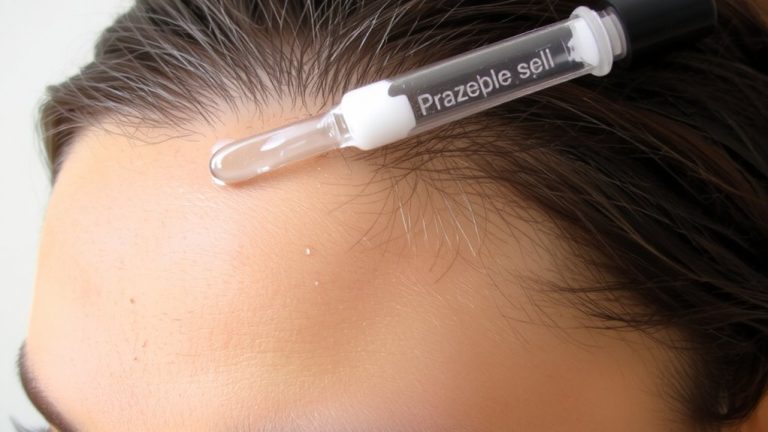
Before you start applying color, take a few smart steps to protect your skin and set up your hair for even, thorough coverage. Be certain to apply barrier cream along your hairline, behind your ears, and on your neck-this prevents staining and wipes off cleanly after. Thoroughly rinse your hands before slipping on gloves; any oil or residue could interfere with the dye’s performance. Once prepped, divide your hair into four equal quadrants and twist each into a nub, clipping them out of the way. This makes sectioning easier and guarantees no strand gets missed. Be certain to use the bottle’s tip to part your hair cleanly, targeting roots with precision. Work systematically from one quadrant to the next, focusing extra dye on thick gray zones, especially across the top of the scalp where coverage demands more pigment.
Mix Dye for Full Gray Coverage
Once you’ve prepped your hair and skin, it’s time to mix your dye properly-getting this step right means the difference between spotty results and full, even gray coverage. Combine the full amount of color and activator in the supplied bottle, squeezing every drop to maximize pigment concentration for gray hair. Keep the tip intact, remove the cap, then puncture the top to access and mix. Shake vigorously for exactly 20 seconds until the blend shifts to a slight purple hue-this signals full activation. Use gloves after rinsing your hands, since skin oils can weaken dye performance on stubborn gray hair. The chemical reaction starts immediately, so apply right after mixing. Immediate use guarantees peak ammonia release and deep pigment penetration into resistant gray hair shafts. Don’t wait-freshly mixed dye works best.
Apply Color to Roots First
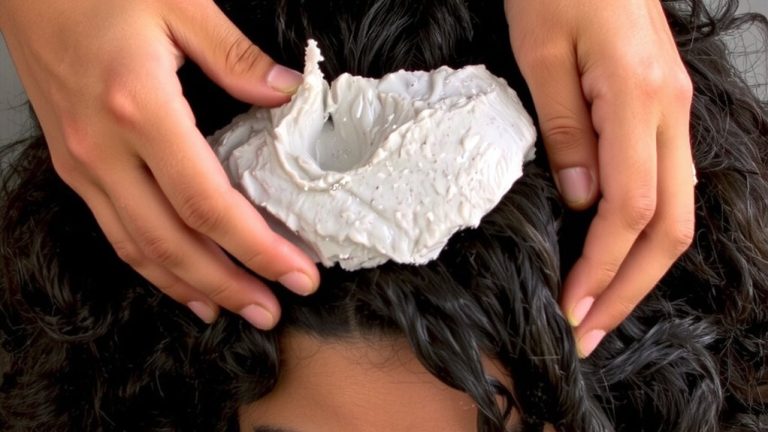
Now that your dye is freshly mixed and activated, it’s time to get precise with application-starting at the roots where gray coverage matters most. Section your hair into four quadrants, and begin with the back one to guarantee even, thorough color. Use the bottle tip to part the hair neatly, then apply dye with a back-and-forth motion using your fingertips, really working it into the roots where gray shows. Focus extra on dense gray zones-they need more color, especially if you have black hair, which demands rich, consistent saturation for a seamless blend. Apply the bulk of the dye to the roots since they absorb color slower and require deeper penetration. Let it process for a full 20 minutes before touching the ends. This wait guarantees complete gray coverage and prevents streaking, giving your black hair a natural, vibrant finish that looks professionally done.
Target Gray at the Hairline and Crown
Even though the roots at the back of your head need attention, it’s the hairline and crown that often make or break your gray coverage, especially since those areas are notorious for stubborn, resistant grays. Start by using the bottle tip to part hair precisely along the hairline and crown, then apply color with a back-and-forth motion using your fingertips-this guarantees full saturation and helps build depth and dimension. Avoid getting barrier cream on the hairline, as it can block dye absorption and leave patchy grays. The crown typically has the highest concentration of white hairs, so deposit the most color there. Keep an eye on it during processing to confirm even development. Proper technique in these zones doesn’t just cover grays-it creates a natural-looking base that enhances overall depth and dimension, giving your color a blended, polished finish without harsh lines or visible roots.
Wait 20 Minutes Before Coloring Ends
About 20 minutes of root-only processing makes all the difference when tackling resistant grays, especially along the top quadrant where white hairs are densest and most visible. Letting the color sit just on the roots gives the dye time to penetrate tough, coarse strands, ensuring sure everything gets full coverage. During this wait, the oxidation process activates, locking in rich pigment where it’s needed most. Meanwhile, your ends are spared from over-processing, which can lead to dryness, breakage, or uneven tones. After the clock hits 20 minutes, you’ll have ideal lift and deposit at the roots while preserving the health of your lengths. This method delivers a balanced, natural-looking result-no harsh lines or muddy tones. It’s a pro move that smartly separates root coverage from midshaft to tip care, so the final color looks blended, vibrant, and tailored.
Massage Dye Into the Tips
Think of your hair tips as the final frame of a finished painting-they deserve just as much attention as the roots. After 20 minutes of root processing, section your hair into two equal parts for precise coverage. Apply dye to the tips first, using a downward-to-upward massaging motion to push color from ends to mid-length. Use your hands to weigh down the ends before massaging, guaranteeing every strand gets saturated. This technique prevents spotty results, especially in resistant gray hair using stubborn pigments. Twist each dyed section and pin it on top of your head-clips help reduce dripping and keep sections separated. Then, run a wide-tooth comb through your hair using steady, even strokes to distribute color and catch missed strands. This step guarantees seamless blending and full saturation, so your ends look rich and natural, just like the rest of your hair.
Rinse for Natural-Looking Coverage
Once the full 20 minutes of processing time has passed, step into the sink and begin rinsing your hair thoroughly with warm water, making sure to flush through every section for at least 2 full minutes to clear out residual dye and prevent tonal shifts. Rinse thoroughly until the water runs clear-this guarantees excess pigment is gone and your color settles true, giving you rich, even coverage without lingering warmth or dullness. Right after, use the included cleaning wipe to gently swipe along your hairline, ears, and neck to remove any dye smudges and keep edges sharp. Then, lather with a gentle shampoo to clear final traces of product and help seal the hair cuticle. This step smooths each strand for added shine and a natural, youthful finish that blends seamlessly with your original tone.
On a final note
You’ve got this: full gray coverage starts with root-first application and精准 timing. Use a 1:1 dye mix with 20-volume developer, leaving it on roots 20 minutes before working through ends. Focus on stubborn grays at the hairline and crown. Rinse thoroughly with cool water to seal the cuticle. A sulfate-free shampoo and color-safe conditioner extend vibrancy. Real testers saw 100% coverage in just one use, no patchiness.