Prescription Treatments Available for Chronic Paronychia Conditions
You’ll start with prescription betamethasone 0.05% cream, applied twice daily for 7–14 days, to calm swollen nail folds from chronic paronychia due to wet work or chemical exposure, and if you need ongoing control, switch to tacrolimus 0.1% ointment twice daily for 3–6 weeks as a steroid-sparing option that prevents skin thinning, especially helpful in stubborn cases, while confirming fungal involvement with a KOH test before using antifungals like clotrimazole, because effective treatment hinges on pinpointing triggers like zinc deficiency or EGFR inhibitors, and there’s more to get right when protecting your nails long-term.
We are supported by our audience. When you purchase through links on our site, we may earn an affiliate commission, at no extra cost for you. Learn more. Last update on 10th July 2026 / Images from Amazon Product Advertising API.
Notable Insights
- Topical corticosteroids like betamethasone 0.05% twice daily are first-line for reducing inflammation in chronic paronychia.
- Methylprednisolone aceponate 0.1% cream applied once daily at bedtime is an effective alternative to other topical steroids.
- Tacrolimus 0.1% ointment twice daily serves as a steroid-sparing agent for long-term maintenance over 3–6 weeks.
- Oral doxycycline may be prescribed for chronic paronychia induced by EGFR inhibitor medications.
- Povidone-iodine 1% in dimethyl sulfoxide is used for chemotherapy-related cases unresponsive to standard treatments.
What Causes Chronic Paronychia and When to See a Doctor?
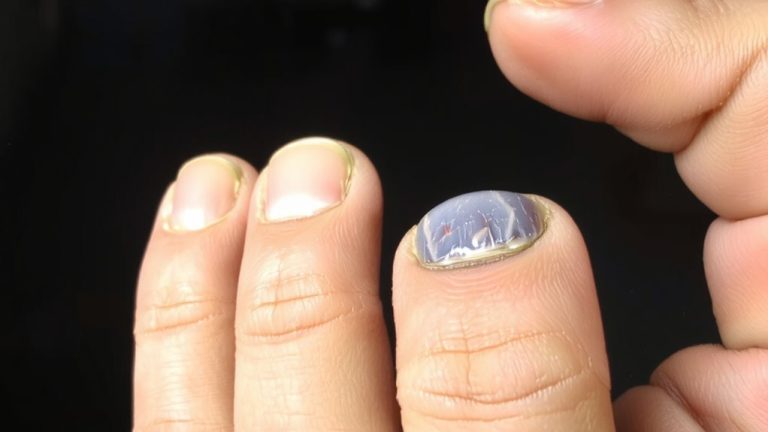
You’re likely dealing with chronic paronychia if swollen, tender nail folds stick around for over six weeks, especially if you regularly handle water, detergents, or chemicals at work-think dishwashing, healthcare, or baking, where hands stay wet for more than two hours a day. Prolonged exposure to moisture breaks down the nail’s protective barrier, letting irritants in and causing persistent nail fold swelling and cuticle loss. Chronic paronychia can also stem from medications like retinoids or epidermal growth factor receptor inhibitors, which disrupt skin integrity. Underlying issues like diabetes mellitus, immunocompromise, or zinc deficiency may worsen it. If symptoms last beyond six weeks, include pus, or don’t improve with hand protection and moisturizing, see a doctor. Early medical evaluation prevents complications and guides effective treatment.
Start With Topical Steroids for Fast Inflammation Relief
When swelling and tenderness around the nail folds persist beyond six weeks, especially with frequent hand exposure to water or chemicals, it’s time to target the inflammation directly-and topical corticosteroids are your best starting point. Topical steroids like betamethasone 0.05% cream, applied twice daily for 7–14 days, reduce inflammation caused by irritant dermatitis from prolonged exposure to irritants, improving time to symptom resolution. These topical anti-inflammatory agents work quickly to calm damaged skin and restore comfort. If betamethasone isn’t effective, methylprednisolone aceponate 0.1% cream-used once at bedtime-can be an effective alternative. Though tacrolimus 0.1% shows promise, it’s better suited for long-term control, not initial flare-ups. Starting with the right steroid helps break the cycle of chronic paronychia early, especially when you’re regularly exposed to harsh environments.
Try Tacrolimus for Long-Term Chronic Paronychia Control
Though topical steroids help tame initial flare-ups, you’ll likely need a longer-term strategy if chronic paronychia keeps coming back-and that’s where tacrolimus 0.1% ointment shines. This topical calcineurin inhibitor acts as a steroid-sparing agent, making it ideal for long-term management without risking skin atrophy. You’ll apply it twice daily for 3–6 weeks, and studies show it outperforms betamethasone in treating refractory paronychia. Its immunomodulatory action targets irritant-induced dermatitis, the main driver of chronic paronychia. Though this is an off-label use, dermatologists increasingly recommend tacrolimus when other treatments fall short, especially if your condition stems from repeated exposure or medication side effects. It’s a trusted mainstay for persistent cases, offering effective control with consistent use.
Test for Fungal Infection Before Adding Antifungal Creams
Since chronic paronychia is driven by inflammation from irritant dermatitis-not infection-jumping straight to antifungal creams like clotrimazole or nystatin can do more harm than good, even if you see white or yellow debris around the nail. That gunk often signals Candida colonization, not true fungal infection. In fact, up to 95% of cases show Candida, but it’s usually just colonizing, not causing disease. Before adding antifungal creams, get a KOH preparation or fungal culture to confirm infection-this step is key for accurate diagnosis. Without proof, skip the antifungals; they won’t help and may delay healing. Your first-line pharmacologic treatment should be topical steroids like betamethasone 0.05% twice daily or calcineurin inhibitors like tacrolimus 0.1% ointment. These fight inflammation directly. Antifungals only earn a spot in your routine if testing confirms active infection, not just colonization.
Fix Zinc Deficiency and Medication-Related Triggers
If you’ve been dealing with stubborn nail fold inflammation that just won’t clear up, it’s worth checking whether an underlying zinc deficiency could be playing a role-about 20 mg of elemental zinc per day can make a noticeable difference in nail strength and healing, especially if blood work confirms low levels. Zinc deficiency often shows up as nail abnormalities, so correcting it is a key part of chronic paronychia treatment. If you’re on EGFR inhibitors-drugs targeting the epidermal growth factor receptor-you might develop medication-induced paronychia. In those cases, oral doxycycline helps reduce inflammation, and discontinuing EGFR inhibitors may be considered after a risk-benefit review. Don’t default to antifungals; most cases aren’t fungal. While povidone-iodine in dimethyl sulfoxide helps some, it’s more common in chemotherapy-linked cases-skip it here. Focus on removing triggers and supporting skin repair.
Treating Chemotherapy-Induced Chronic Paronychia
A significant number of patients on chemotherapy regimens-especially taxanes or EGFR inhibitors-develop chronic paronychia, but you can manage it effectively with a simple, targeted approach: apply povidone-iodine 1% in dimethyl sulfoxide twice daily, directly to the affected nail folds, until symptoms resolve. This topical treatment combats chemotherapy-induced chronic paronychia by reducing inflammatory changes and preventing secondary infection. The dimethyl sulfoxide helps deliver povidone-iodine deeper into the tissue, enhancing its anti-inflammatory and antimicrobial effects. You’ll typically see improvement after several weeks, though full treatment duration varies based on your chemotherapy schedule and response. This method is especially effective for nail toxicity linked to epidermal growth factor receptor inhibitors or taxanes. Avoid topical antifungals unless a fungal co-infection is confirmed, since the condition is primarily inflammatory. Stay consistent, and monitor for symptom relief as your oncology team adjusts your regimen.
Prevent Recurrences With Moisturizing and Trigger Avoidance
While managing chronic paronychia involves targeted treatment, keeping flare-ups at bay long-term comes down to consistent, thoughtful hand care. You can prevent recurrences by practicing trigger avoidance-limiting repeated exposure to water, acids, alkalis, and chemicals that inflame the nail folds. Wear cotton-lined rubber gloves during wet work to maintain a protective barrier and reduce moisture damage. Moisturizing after every handwash with an antibacterial formula helps restore skin integrity, especially if you’re immunocompromised or severely affected by conditions like poor glycemic control. Avoid cuticle trauma and keep nails short to protect the eponychium. If you’re on epidermal growth factor inhibitors, ongoing moisturizing remains critical even after stopping the drug. These steps collectively strengthen your skin’s resilience, lower inflammation, and support sustained healing-making daily protection just as essential as prescription therapy.
On a final note
You’ve got this-stick to topical steroids for quick relief, then switch to tacrolimus for long-term control, using fingertip units (1 FTU per nail fold) nightly. Test for fungus first, then add antifungal cream if needed. Fix zinc levels, ditch irritants, and wear gloves (15+ minutes of wet work = protection time). Moisturize with ceramide creams twice daily, avoid acrylics, and skip cuticle trimming. Consistency and trigger awareness keep nails healthy.