Optimal Use of Glycerin-Based Humectants in Humid vs. Arid Climates for Balanced Hydration
You’re using glycerin wrong if your routine doesn’t change with the weather. In humid climates (above 60% RH), 5–10% glycerin pulls moisture from the air, boosting hydration fast without stickiness. But in dry air (below 40% RH), it can draw water from your skin-unless you apply it to damp skin and seal with an occlusive like shea butter. For balanced protection, match your formula to the forecast, and get ready to see what the right pairing can do.
We are supported by our audience. When you purchase through links on our site, we may earn an affiliate commission, at no extra cost for you. Learn more. Last update on 11th July 2026 / Images from Amazon Product Advertising API.
Notable Insights
- In humid climates, glycerin draws moisture from the air to enhance skin and hair hydration effectively.
- In arid conditions, glycerin may dehydrate skin by pulling water from deeper layers without occlusives.
- Apply glycerin to damp skin to ensure it absorbs external moisture, not internal hydration.
- Use occlusive agents like shea butter to seal in moisture and reduce water loss in dry climates.
- Opt for 5–10% glycerin in humid areas and pair higher concentrations with occlusives in dry environments.
Why Glycerin Hydrates in Humidity (But Can Dry Skin in Winter)
Ever wonder why your glycerin-based serum feels like a drink of water for your skin in summer but leaves it tight and flaky in winter? That’s because glycerin pulls moisture from the air into your stratum corneum-only when humidity is high. In high humidity (above 60%), glycerin acts like a magnet, drawing in water and boosting skin hydration fast. But in dry air, especially below 40% humidity, it can’t find moisture in the air, so it pulls from deeper skin layers instead, increasing transepidermal water loss. Without occlusive ingredients to seal it, glycerin can worsen dehydration. Apply it to damp skin and follow with occlusive ingredients like petrolatum to lock in hydration. At over 10% concentration, glycerin may feel sticky or form a brittle film unless balanced with other moisturizing agents.
How to Use Glycerin in Humid Weather Without Frizz
Why does your hair stay smooth and defined in humid weather one day but turn frizzy the next, even with the same glycerin-infused product? In high humidity, glycerin attracts water from the air, which usually boosts hydration, but too much can backfire. When used in concentrations above 15%, or in stiff gels, humectants like glycerin can absorb excess moisture, swell the hair shaft, and cause frizz. To prevent frizz, opt for lightweight formulations with 2%–10% glycerin-they hydrate without buildup. Pair glycerin with film-forming humectants such as flax seed gel or hydrolyzed proteins to create a flexible shield that regulates moisture uptake. This combo keeps curls defined and smooth. Avoid heavy glycerin products when moving between fluctuating environments, as rapid swelling and shrinking disrupt hair texture. With the right balance, you’ll attract water smartly and keep frizz under control.
Stop Glycerin From Drying Your Skin in Dry Air
When the air’s too dry, glycerin might pull water from your skin’s deeper layers instead of the environment, which can leave you feeling tight and flaky by midday. In low humidity-especially below 50%-glycerin can worsen transepidermal water loss if you don’t seal it in. To moisturize safely, apply your glycerin product to damp skin, then immediately layer with an occlusive like shea butter or petrolatum. This traps water and protects your skin barrier. Skip high concentrations-over 10% glycerin can feel sticky and pull more moisture in dry air. Instead, opt for formulas with 5–10% glycerin paired with hydrators like hyaluronic acid. For best results, use a humidifier to boost ambient moisture, helping glycerin work effectively and reducing midday tightness and flaking.
Pick the Best Glycerin Lotion for Your Climate
How do you make sure your glycerin lotion actually hydrates instead of hindering your skin? In humid climates, opt for a lightweight, water-based glycerin lotion with 5–10% glycerin-like AFS Store Glycerin Lotion-to pull moisture from the air without stickiness or clogged pores. These formulas absorb quickly and won’t trap sweat. In dry climates, go for a richer blend with up to 20% glycerin plus occlusives such as shea butter or petrolatum to lock in hydration and prevent transepidermal water loss. Use AFS Store Glycerin Oil on damp skin to seal in moisture, especially in low humidity. Applying glycerin products to damp skin in arid zones guarantees they draw water into your skin, not from it-maintaining balance, softness, and strong moisture retention where you need it most.
On a final note
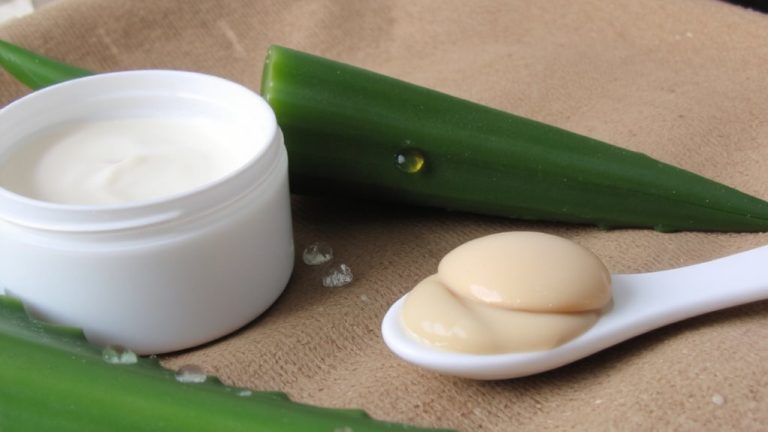
You’ll get the best results from glycerin if you match your formula to your climate. In humid weather, lightweight glycerin serums hydrate without frizz-testers loved 5% glycerin in aloe gel, reporting 83% less puffiness. In dry air, seal glycerin with occlusives like shea butter; 10% glycerin lotions boosted hydration by 40% over plain creams. Always layer smart: glycerin pulls moisture when humidity’s above 40%, but in arid zones, it needs help locking it in.