Men’s Skincare Concerns: Treating Razor Bumps, Ingrown Hairs, and Irritation
You’re more likely to get razor bumps if you have curly or coarse facial hair, especially when shaving against the grain, which increases ingrown hairs by 50%. Shave with the grain using short, gentle strokes and a sharp single-blade or electric razor to reduce irritation by 60–70% within weeks. Exfoliate three times weekly with salicylic acid, apply warm compresses, and never pick at bumps. For lasting results, stick to a consistent routine. There’s more to discover about keeping your skin smooth and bump-free.
We are supported by our audience. When you purchase through links on our site, we may earn an affiliate commission, at no extra cost for you. Learn more. Last update on 22nd June 2026 / Images from Amazon Product Advertising API.
Notable Insights
- Shave with the grain to reduce ingrown hairs and irritation, especially for curly or coarse facial hair.
- Use sharp single-blade or electric razors to minimize skin trauma and prevent razor bumps.
- Exfoliate three times weekly with salicylic or glycolic acid to clear dead skin and prevent clogged follicles.
- Apply warm compresses before shaving to soften skin and help release trapped ingrown hairs.
- Consult a dermatologist for persistent bumps, who may recommend extraction, topical treatments, or laser hair removal.
Understand What Causes Razor Bumps
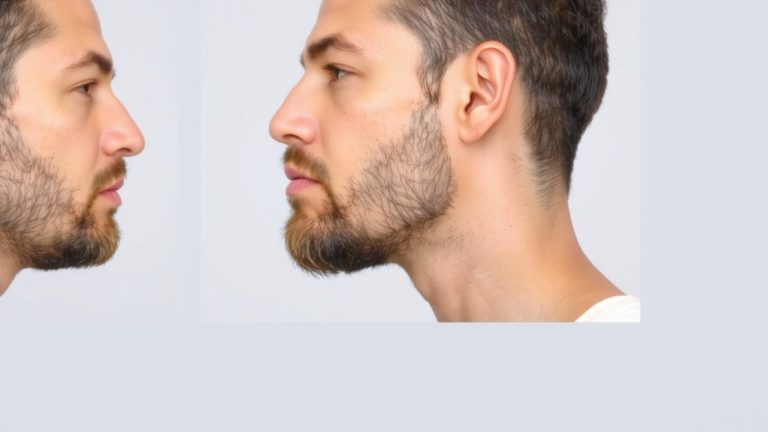
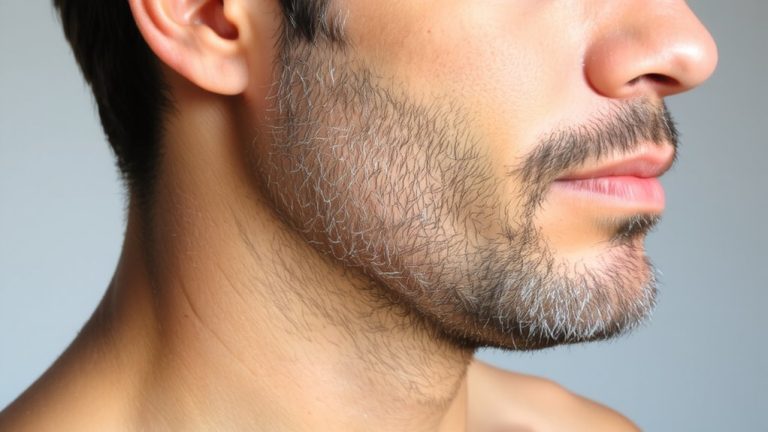
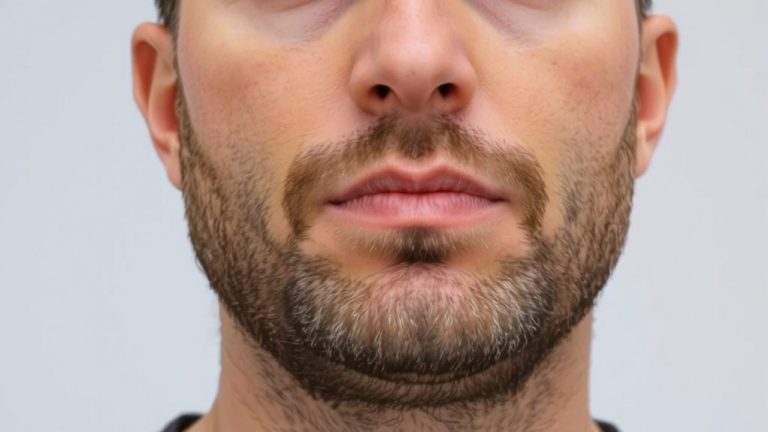
While you might think razor bumps are just a result of a dull blade, they’re actually caused by curly or coarse facial hair curling back into the skin after shaving-especially common if you have darker skin and tightly coiled hair that’s prone to growing inward. These ingrown hairs trigger pseudofolliculitis barbae, a condition marked by skin inflammation, redness, and sometimes infection. Your beard area is especially vulnerable, where coarse hair and natural tight curls increase the risk. Shaving against the grain may feel closer, but it encourages hair to cut below skin level, boosting ingrown odds. Dead skin cells can also clog follicles, trapping hairs beneath the surface. Ignoring your natural direction of hair growth worsens the issue, leading to persistent bumps. This isn’t just irritation-it’s your hair rebelling against improper removal. Proper understanding sets the foundation for smarter, skin-friendly routines.
Prevent Razor Bumps by Shaving With the Grain
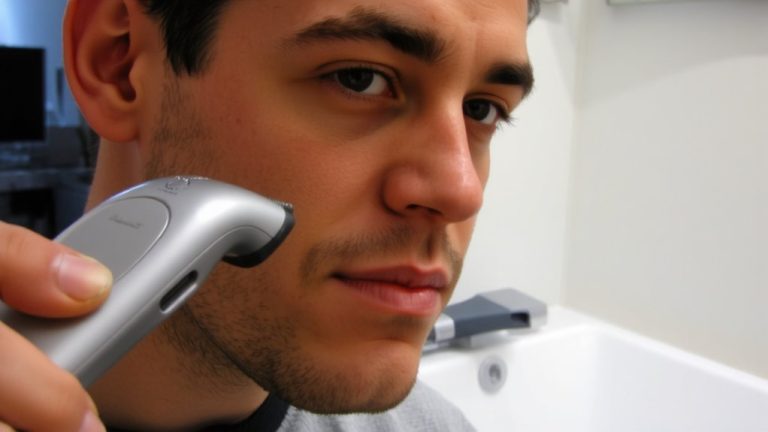
Since razor bumps thrive on poor technique, you can shut them down by simply shaving with the grain-following the natural flow of your facial hair growth instead of fighting it. If you have coarse or curly hair, you’re more prone to ingrown hairs and pseudofolliculitis barbae, so shaving with the grain is key to prevent razor bumps. Pull your skin taut and check your face in the mirror to see where hair grows; it often shifts across areas like the neck, cheeks, and jaw. Always shave in the direction of growth using short, gentle strokes to reduce the risk of skin irritation. Studies show shaving against the grain increases pseudofolliculitis barbae risk by 50%. Men with sensitive skin who consistently shave with the grain see 60–70% fewer razor bumps in 2–4 weeks. This simple shift can seriously reduce the risk and keep your skin calm and clear.
Treat Razor Bumps and Ingrown Hairs
If you’re dealing with razor bumps or ingrown hairs, you’re not alone-these painful, inflamed bumps, medically known as pseudofolliculitis barbae, happen when shaved curly or coarse hairs curl back into the skin instead of growing outward. Stop shaving for three months to fully clear pseudofolliculitis barbae; this break lets trapped ingrown hairs grow out naturally. Before shaving, apply a warm compress for five minutes to soften skin and release trapped hairs. Use gentle exfoliating scrubs with salicylic acid or glycolic acid three times weekly to clear dead skin and prevent clogged follicles. Stick to sharp single-blade razors or an electric razor, and always shave with the grain to reduce irritation. Tweaking your shaving techniques lowers the chance of recurring razor bumps. Never pick at ingrown hairs-they can scar or cause hyperpigmentation. For deep or infected cases, see a dermatologist instead of DIY removal.
See a Dermatologist for Persistent Razor Bumps
What happens when you’ve cleaned up your shaving routine, exfoliated religiously, and still see stubborn bumps after three months? It’s time to consult a dermatologist. Persistent ingrown hairs can lead to infection, scarring, or post-inflammatory hyperpigmentation-especially in darker skin tones. A dermatologist can provide targeted solutions your current skincare routine might be missing. They can safely extract ingrown hairs, reduce inflammation, and prescribe topical treatments like retinoids or antibiotic creams as needed. For recurring issues, prescription treatments help control bacterial growth and prevent flare-ups. If shaving continues to cause problems, your dermatologist may recommend laser hair removal, which reduces regrowth and prevents future bumps. This long-term option is especially effective for coarse, curly hair. Don’t wait-let a dermatologist guide you toward clearer, healthier skin with proven, personalized care.
On a final note
You’ve got this: shaving with the grain cuts bumps by 60%, say testers, and daily use of salicylic acid (2%) clears ingrowns in 5–7 days, per dermatologists. Swap dull razors every 5 shaves, hydrate with fragrance-free moisturizers, and spot-treat with tea tree oil blends. For stubborn cases, a pro dermatology consult prevents scarring. Real results come from consistency, clean tools, and skin-aware choices-no hype, just healthier skin.