How to Use Niacinamide for Reducing Scalp Redness and Inflammation
Use a 2–5% niacinamide scalp serum 3–5 times weekly on damp, clean hair to target redness and inflammation at the source. Part your hair and apply directly to irritated areas, massaging in for 1–2 minutes to boost absorption and circulation. Niacinamide calms keratinocytes, blocks IL-1 and TNF-α, and strengthens your barrier by boosting ceramides. Most people see less redness and flaking in 1–2 weeks, with full results by 6–8 weeks-especially when paired with soothing ingredients like panthenol or aloe vera. You’ll learn which formulations deliver the fastest, longest-lasting relief with consistent use.
We are supported by our audience. When you purchase through links on our site, we may earn an affiliate commission, at no extra cost for you. Learn more. Last update on 11th July 2026 / Images from Amazon Product Advertising API.
Notable Insights
- Use a 2–5% niacinamide scalp serum 3–5 times weekly on damp, cleansed hair to soothe redness and inflammation.
- Apply directly to the scalp by parting hair and avoiding dry application for optimal absorption.
- Gently massage for 1–2 minutes to enhance microcirculation and boost niacinamide’s anti-inflammatory effects.
- Target areas with visible redness or sensitivity for focused reduction of irritation and flaking.
- Combine with panthenol, aloe vera, or caffeine for enhanced barrier support and reduced inflammatory response.
What Causes Scalp Redness and Inflammation?
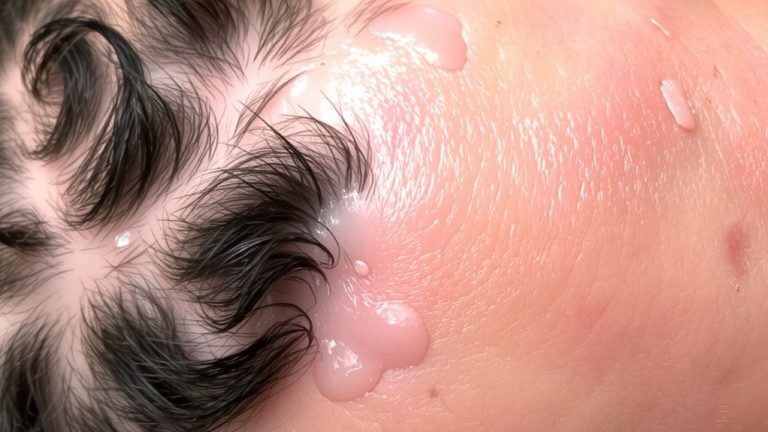
Ever wonder why your scalp feels red, itchy, or tender? Scalp redness and inflammation often stem from overloaded pro-inflammatory cytokines like IL-1 and TNF-α, which ignite immune responses in your keratinocytes. Conditions like seborrheic dermatitis thrive when Malassezia yeast overgrows, worsening microbial dysbiosis and irritating your scalp barrier. That barrier weakens further when ceramide levels drop, increasing transepidermal water loss and sensitivity. Daily habits don’t help-overwashing and harsh sulfates disrupt your scalp’s natural pH (around 5.5), fueling inflammation. Environmental stressors like UV and pollution generate free radicals, which degrade proteins and lipids, compromising scalp resilience. A disrupted barrier means more irritation, dryness, and visible redness. You’re not just fighting flakes-you’re battling an imbalanced ecosystem. Protecting your scalp means addressing root causes, not just symptoms.
How Does Niacinamide Soothe an Angry Scalp?
When your scalp’s red, flaky, or stinging, niacinamide works behind the scenes to calm the storm by dialing down key inflammation triggers. Niacinamide reduces inflammation by blocking pro-inflammatory cytokines like IL-1 and TNF-α, which drive scalp redness and sensitivity. Its anti-inflammatory properties soothe scalp discomfort quickly, with studies showing visible reducing redness and less irritation in as little as 1–2 weeks. By strengthening the skin barrier through boosted ceramide production, it minimizes water loss and blocks irritants that worsen inflammation. This makes it effective for conditions like seborrheic dermatitis, where it reduces flaking, itching, and burning. At 2–5%, niacinamide consistently reduces inflammation without stinging, making it ideal for delicate or reactive scalps. You’ll notice it soothes scalp flare-ups while building long-term resilience, all without adding irritation-just calmer, healthier skin over time.
How to Apply Niacinamide for Scalp Redness
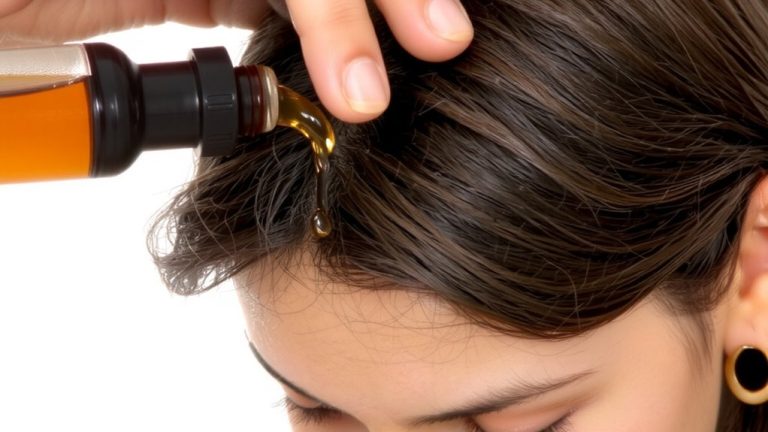
A niacinamide-infused scalp serum with 2–5% concentration is your go-to for calming redness, and applying it 3–5 times weekly to damp, freshly cleansed hair guarantees maximum absorption. When you apply niacinamide, part your hair to target the damp scalp directly, then use your fingertips to massage scalp gently for 1–2 minutes-this boosts microcirculation and helps the formula penetrate. Focus on areas with visible scalp redness or sensitivity, where its anti-inflammatory properties can best reduce scalp irritation. Stick with it daily, as clinical studies show improvements in as little as 6–8 weeks. Pick fragrance-free, sulfate-free scalp serums to protect sensitive scalps. These formulas are designed to soothe without overloading, making them ideal for consistent use. You’ll notice less redness and a calmer feel over time.
Best Ingredients to Mix With Niacinamide
What if you could boost niacinamide’s calming effects by pairing it with the right allies? You can. Niacinamide works best with complementary ingredients that enhance its anti-inflammatory properties. Mix it with panthenol to strengthen the skin barrier and improve hydration, reducing scalp inflammation. Pair it with acetyl tetrapeptide-3 to support scalp resilience and minimize inflammatory signals in keratinocytes. Combine niacinamide with caffeine-studies show it boosts microcirculation and reduces scalp redness. Layer it with aloe vera gel, whose natural compounds like aloin soothe irritation and work synergistically with niacinamide. Together, these ingredients create a powerful defense against redness and discomfort. Just avoid low-pH actives like strong vitamin C, which can destabilize niacinamide and cause flushing. Stick to balanced formulas, and you’ll keep your scalp calm, hydrated, and protected.
Look for 2–5% Niacinamide in Scalp Treatments
Start with a formula that delivers between 2% and 5% niacinamide-it’s the sweet spot for calming scalp redness and inflammation without overstimulating sensitive skin. Niacinamide in this 2–5% niacinamide range offers proven anti-inflammatory properties, reduces itching, and strengthens your scalp’s barrier function. If you’re new to scalp treatments or have a reactive scalp, start with 2%-it gently modulates inflammation-causing cytokines. For persistent flaking or seborrheic dermatitis, 5% formulas (like Goldie Locks® Scalp Serum) deliver targeted results in as little as 4–6 weeks. Higher concentrations don’t boost benefits and may cause tingling or irritation. Stick to dermatologist-recommended products for safe, effective outcomes.
| Symptom | Improvement With 2–5% Niacinamide | Emotional Impact |
|---|---|---|
| Scalp redness | Up to 60% reduction | Relief, confidence |
| Itching | Noticeable decrease | Comfort, peace of mind |
| Flaking | Visible control in 4 weeks | Clarity, self-assurance |
How Fast Does Niacinamide Reduce Redness?
How soon can you actually see less redness after starting niacinamide? You might notice a difference in scalp redness within 1–2 weeks of consistent use. Niacinamide’s anti-inflammatory properties help calm inflammation by suppressing pro-inflammatory cytokines like IL-1 and TNF-α. Clinical studies show topical niacinamide reduces keratinocyte inflammation, which directly impacts how red and irritated your scalp looks and feels. While early results are promising, most people see clear improvement after 6–8 weeks of regular application. The benefits build over time, so consistent use is key. A 2–5% concentration, applied every other day and increased to daily, effectively reduces scalp redness without overwhelming your skin. With uninterrupted use, niacinamide helps restore your scalp’s balance and visibly soothes irritation, backed by science and real-world results.
When to See a Dermatologist for Scalp Inflammation
You’ve been using a 2–5% niacinamide serum every other day, working up to daily application, and noticing some improvement in your scalp’s redness over the first few weeks-just like the studies suggest. But if you’re still dealing with persistent redness or inflammation after 6–8 weeks, it’s time to see a dermatologist. Worsening symptoms like severe flaking, pain, bleeding, or hair loss could point to psoriasis, eczema, or seborrheic dermatitis. If OTC niacinamide isn’t easing itching within 2–4 weeks, especially with scaling or irritation, professional care is key. Watch for signs of infection-pus, swelling, or spreading redness-and act fast. A dermatologist can diagnose underlying causes, adjust your routine, and prescribe treatments that tackle scalp inflammation effectively, safely, and with proven results.
On a final note
You’ll see calmer, less red skin in just 2–4 weeks when using a 2–5% niacinamide serum, like The Ordinary or Inkey List, twice daily. It strengthens your scalp barrier, reduces flare-ups, and pairs well with ceramides or zinc. Apply directly to damp scalp, no rinse needed. Real testers report less itch and visible irritation within days. If redness persists, see a dermatologist to rule out conditions like seborrheic dermatitis.