How to Use Apple Cider Vinegar Rinses to Restore Scalp pH Naturally
You restore your scalp’s pH naturally by using a 1:5 mix of raw, unfiltered apple cider vinegar-like Bragg or Eden-with water. Apply it with a spray bottle, massage into your scalp, leave for 3–10 minutes, then rinse with cool water. This closes cuticles, reduces frizz, and supports a healthy microbiome. Always dilute properly and patch test. For best results and tailored tips based on your hair type, there’s more to take into account.
We are supported by our audience. When you purchase through links on our site, we may earn an affiliate commission, at no extra cost for you. Learn more. Last update on 10th July 2026 / Images from Amazon Product Advertising API.
Notable Insights
- Use raw, unfiltered apple cider vinegar with the mother for maximum pH-balancing benefits.
- Dilute ACV in a 1:5 ratio with water to safely restore scalp’s natural pH of 4–5.
- Apply the rinse to your scalp using a spray bottle and massage gently for 1–2 minutes.
- Leave the diluted ACV on for 3 to 10 minutes before rinsing thoroughly with cool water.
- Use weekly or biweekly depending on hair type to maintain pH balance without irritation.
Why ACV Balances Scalp pH Naturally
That slightly tangy rinse you’ve heard about? It’s apple cider vinegar, and it’s a game-changer for balancing your scalp pH. Your scalp naturally sits between 4 and 5 on the pH scale, but alkaline shampoos can push it higher, stripping oils and roughing up hair cuticles. An ACV rinse, diluted to about 1–2 tablespoons per cup of water, brings pH down to 2–3 thanks to acetic acid. This shift helps close cuticles, boosting shine and reducing frizz while strengthening strands over time. By restoring ideal scalp pH, ACV also supports a healthy microbiome, making it harder for irritants to take hold. Real users report smoother, healthier hair after just a few uses. Regular use keeps your scalp environment stable, preventing damage and maintaining resilience-no fancy products needed, just consistent, smart chemistry at work.
Can ACV Reduce Dandruff and Itchiness?
Could something as simple as an apple cider vinegar rinse actually tackle your stubborn dandruff and that maddening scalp itch? Yes, it can. The acetic acid in ACV has antimicrobial and antifungal properties that may reduce Malassezia fungi, a key cause of flaky scalp. With a pH between 2 and 3, an apple cider vinegar rinse helps restore your scalp’s natural pH (4–5), making it less hospitable to dandruff-causing microbes. It also gently exfoliates dead skin cells and clears buildup, which can reduce itchiness and support healthier scalp and hair. Studies show ACV is effective against fungi like Candida albicans, suggesting it may ease fungal-related irritation. But always dilute it-use a 1:4 or 1:5 ratio with water-to reduce hair breakage and prevent chemical burns. Used regularly, this rinse can reduce hair flakiness and leave your scalp soothed, balanced, and clear.
What’s the Best ACV for Hair Rinses?
Why reach for just any vinegar when balancing your scalp’s pH matters? The best ACV for hair rinse is unfiltered apple cider vinegar with the mother-this cloudy, stringy sediment means it’s raw, full of enzymes, and packed with acetic acid. Look for raw organic ACV, which stays unpasteurized to preserve natural antioxidants, vitamins, and beneficial bacteria. Its pH (typically 2–3) helps gently nudge your scalp back to its ideal range of 4–5 after alkaline shampoos disrupt the balance. Avoid distilled white vinegar, white wine vinegar, or malt-based options like Sarson’s-they lack the mother, carry higher pH levels, or contain impurities that cause dryness and irritation. Stick to raw organic ACV brands like Bragg or Eden-testers report shinier hair, less flakiness, and no residue when used consistently. That cloudy look? That’s proof you’ve got the real deal-the best ACV for hair rinse.
How to Apply an ACV Rinse in 4 Steps
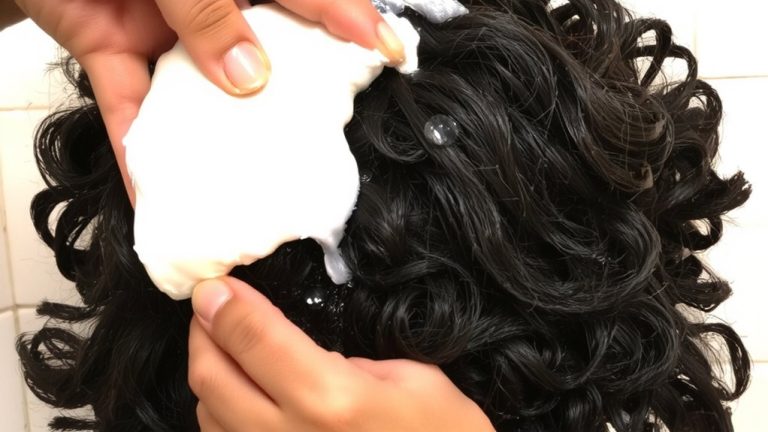
When you’re ready to restore your scalp’s natural balance after washing with alkaline shampoo, start by mixing 100ml of raw, unfiltered apple cider vinegar-like Bragg or Eden-with 500ml of water in a clean spray bottle, creating a safe 1:5 dilution that tames the vinegar’s strong pH without sacrificing effectiveness. Apply to your hair by spraying the ACV hair rinse evenly, focusing on the scalp to dissolve buildup and rebalance scalp pH. Gently massage for 1–2 minutes to boost circulation and lift residue. Leave it on for 3 to 10 minutes-never longer-to let the acetic acid work without irritation. Finally, rinse thoroughly with cool water to close the cuticle and lock in pH balance. This simple routine helps clarify, strengthen, and restore your scalp’s ideal pH between 4 and 5, leaving hair shiny and refreshed.
How Often Should You Use ACV for Your Hair Type?
A well-timed ACV rinse can make a real difference in your hair care routine, especially when you match the frequency to your specific hair type and scalp condition. If you have oily hair, use ACV 1–2 times weekly to balance scalp pH and cut through sebum without over-drying. For color-treated hair, limit use to once a week-this helps preserve dye and protect the cuticle while still regulating scalp pH. Those with thick or curly hair notice improved shine and less buildup with 1–2 weekly rinses. If you have a dry or sensitive scalp, stick to every few weeks to avoid irritation and maintain moisture. Low porosity hair benefits from a diluted ACV rinse just once a month as a pre-poo, removing buildup without disrupting moisture balance. Know your hair type, respect your scalp pH, and use ACV with purpose.
Avoid ACV Damage: Safe Use Tips
Getting the frequency right for your hair type sets the foundation, but how you apply apple cider vinegar matters just as much. Always dilute ACV with water-use at least 1 part vinegar to 4 parts water-to protect your scalp health and avoid irritation. Leaving it on too long risks disrupting your scalp’s natural pH levels, so limit rinses to 5–10 minutes; never exceed 15. The low pH of apple cider vinegar (2–3) can cause chemical burns if misused, especially on broken or sensitive skin. Do a patch test first-some people have developed redness or scarring from undiluted use. Avoid eye contact completely, and if exposed, flush immediately with water. High acetic acid content means strong potency, so treat ACV with caution. Protecting your skin barrier and microbiome keeps your scalp healthy and balanced.
Get the Best Results From Your ACV Rinse
Though you might be tempted to grab any bottle off the shelf, going for raw, unfiltered apple cider vinegar with the mother-like Bragg’s-makes a real difference in effectiveness, thanks to its higher levels of live enzymes and acetic acid that help reset your scalp’s pH. To safely use it, always dilute ACV in a 1:5 ratio-say, 100ml apple cider vinegar to 500ml water-to gently balance scalp pH without irritation. Apply the solution directly to your scalp with a spray bottle for even coverage, letting it sit for 5 to 10 minutes to clear buildup and seal cuticles. Don’t leave it on longer-it’s not worth the risk. For best results, limit rinses to once every 1–2 weeks. If you have low porosity hair, use it as a pre-poo; high porosity hair benefits most as a final rinse. This simple routine keeps your scalp pH balanced, your hair shiny, and your wash effective.
On a final note
You’ve got this: use raw, unfiltered ACV with 5% acidity, diluted at 1 part vinegar to 3 parts water. Apply mid-scalp to ends after shampooing, let sit 2–4 minutes, then rinse. Do it once weekly for oily scalps, biweekly for dry types. Always follow with conditioner. Real users report less flaking, shine within 3 uses. Avoid undiluted ACV-it can burn. Pair with sulfate-free cleansers for balanced, bouncy hair. Try Bragg Organic-testers love the no-residue finish.