Color-Depositing Mask: 5-7 Minute Application Guide by Shade
Use a color-depositing mask on damp, shampooed hair for 5–7 minutes if you want subtle, even results-especially with delicate shades like Hibiscus or Aquamarine. Pick a shade that matches your base: light blondes can try Champagne or Rose Gold, while browns should go for Cocoa or Bordeaux. Apply in sections with gloves and a wide-tooth comb, then rinse with cool water. For longer-lasting color, shampoo only 2–3 times a week using sulfate-free products. Consistency builds tone without over-toning-and there’s more to get just right.
We are supported by our audience. When you purchase through links on our site, we may earn an affiliate commission, at no extra cost for you. Learn more. Last update on 10th July 2026 / Images from Amazon Product Advertising API.
Notable Insights
- Choose shades like Hibiscus, Platinum, or Aquamarine for delicate color effects, ideal for light to medium blonde hair.
- Apply the mask to damp, freshly shampooed hair using sulfate-free products for even pigment deposition.
- Limit processing time to 5–7 minutes to achieve subtle enhancements without over-toning porous strands.
- Divide hair into sections and use a wide-tooth comb to ensure uniform coverage from roots to ends.
- Rinse with cool water and use sulfate-free, color-safe shampoo to extend the life of the subtle hue.
Know What Color-Depositing Masks Can (And Can’t) Do
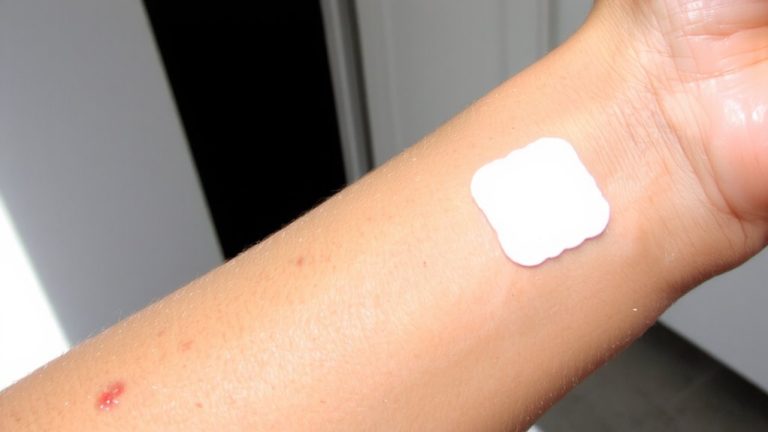
While you might expect a Color Depositing Mask to permanently change your hair shade, they actually work by temporarily sticking pigments to the surface of your strands-kind of like a tinted conditioner-without ever reaching the cortex, so the shift is subtle, lasting just 3 to 6 washes depending on your shampoo frequency and water temperature. The dye molecules cling to the cuticle, meaning results depend heavily on your base color and porosity. On light blonde, shades like Aquamarine or Platinum show up bright and even, while on brown hair, Bordeaux or Cocoa enhance depth without patchiness. Gray strands often resist, leading to uneven color fade. These masks can’t lift pigment or cover gray fully. Always do a strand test-apply for 2–3 minutes-to preview how your hair absorbs the color and avoid surprises.
Pick the Right Shade for Your Hair Base
Since your hair’s base color plays a key role in how pigments take to the strands, picking the right shade guarantees a smooth, flattering result-so if you’re light to medium blonde, go for Aquamarine, Hibiscus, Champagne, Platinum, or Rose Gold for vivid, even tone. If your hair is light to dark brown, choose one like Cocoa or Bordeaux to keep things natural-looking. Got medium blonde to medium brown hair? Try Copper, launched in January 2021, for warm dimension. Only go for Lilac, also launched that same month, if your base is light to medium blonde-otherwise, the color won’t show. Remember, Color Depositing Masks rely on your current hair (color) to bond properly, so always pick the right shade. Avoid using shades meant for lighter bases on dark hair; the pigment won’t adhere and results will look patchy. Choose wisely, and your color stays fresh, even, and salon-smooth.
How to Apply a Color-Depositing Mask
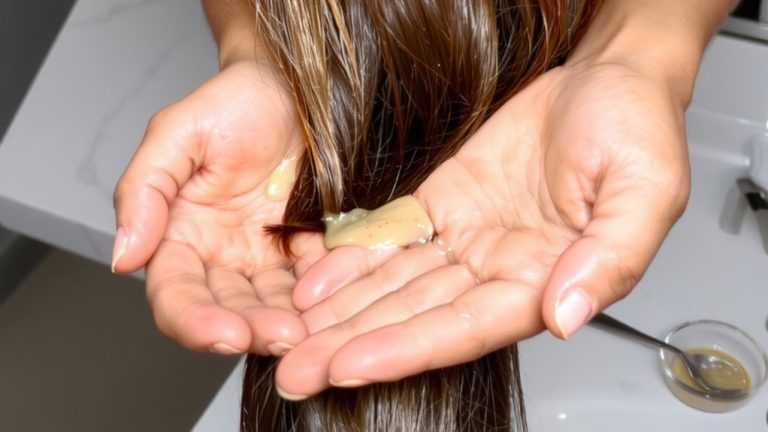
You’ve picked the right shade for your hair base, and now it’s time to get the color where it needs to go-smoothly and evenly. Start by using a sulfate-free shampoo to wash your hair, then towel-dry to a damp state for ideal pigment adhesion. Divide hair into 4–6 sections and apply the mask from roots to ends with gloved hands to prevent stains and guarantee full coverage. Use a wide-tooth comb to distribute the conditioning treatment, especially in thick or long hair, to avoid tugging and uneven saturation. Keep hair in sections until you’re done to maintain control. Tips for using this product include avoiding application on soaking-wet hair and always rinsing thoroughly under cool water until runoff is clear. This helps lock in color and prevents pigment residue.
How Long to Leave It On
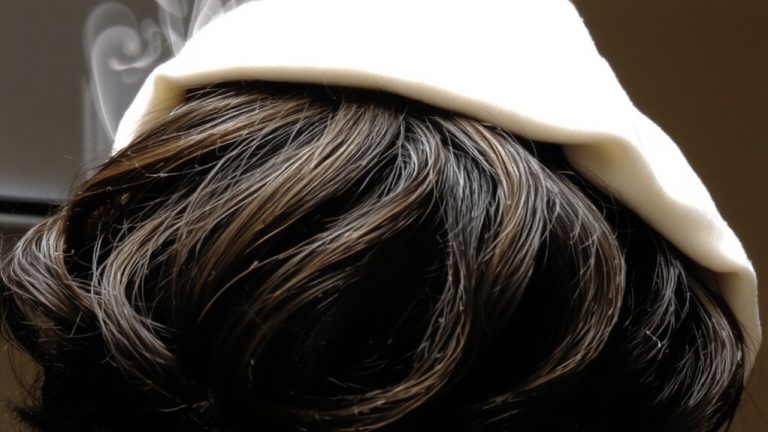
How long should you really leave that color-depositing mask on for the best results? For maximum pigment deposition and hydration, leave it on for 10–15 minutes-that’s the sweet spot most testers agreed on. If you’re going for a subtle result, especially with delicate blends like Hibiscus, Platinum, and Aquamarine, cut the processing time to 5–7 minutes. How long to leave it on also depends on your hair porosity; highly porous hair absorbs color faster, so you might need less time to avoid over-toning. Never exceed 15 minutes-longer doesn’t mean better, and it can lead to uneven fading. For reliable buildup and even tone over time, stick to consistent timing with each use. This small habit makes a big difference in maintaining soft, salon-level results at home.
Make Your Color-Depositing Mask Last Longer
While pigment-rich hair goals are within reach, making them last means pairing your color-depositing mask with smart, simple habits that lock in tone. One of the biggest culprits of fading? Heat-so rinse with cool water every time you wash to seal the cuticle and trap pigment. You should use a color-depositing mask weekly, but never pair it with a color-depositing conditioner the same day, as overlapping formulas can disrupt pigment balance and speed up washout. Limit washing to 2–3 times per week and swap in dry shampoo between washes to reduce mechanical stress. Always start with sulfate-free, color-safe shampoo-it’s gentler and prevents stripping. Apply the mask to damp, freshly cleansed hair for even deposition. Finish with a heat protectant before styling to shield color from daily damage. These steps keep your tone vibrant, even, and lasting longer with every use.
On a final note
You’ve got this-color-depositing masks boost tone without the damage, but they can’t replace a salon dye job. Pick shades matching your base to avoid unwanted tones, apply on clean, damp hair, and leave it on 3–5 minutes to start. Over time, build up to 10 minutes for richer results. Use weekly, pair with sulfate-free shampoo, and rinse with cool water. Real testers saw 4+ week color boosts, especially in copper, ash, or violet tones when stored properly.