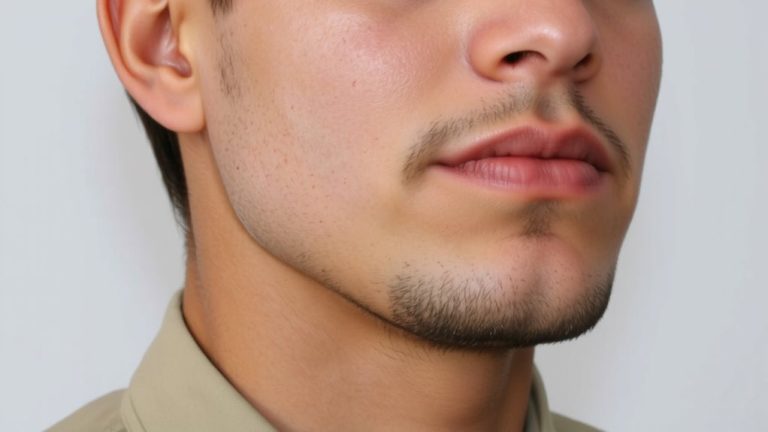
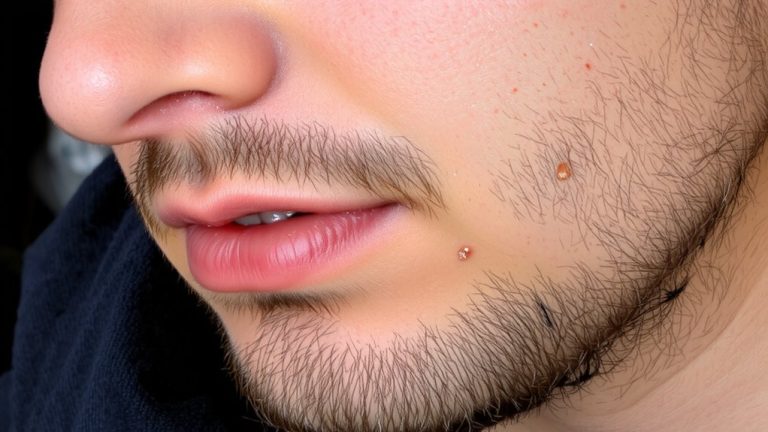
How to Treat Razor Burn Under the Beard After Touch-Ups With Electric Trimmers
Rinse the irritated area under your beard with cold water for 30 to 60 seconds to calm inflammation and tighten blood vessels. Gently pat dry-don’t rub-and apply pure aloe vera or an alcohol-free balm like Proraso Sensitive, which combines shea butter and aloe for fast relief. Avoid shaving until healed, and steer clear of alcohol-based products that sting. For ongoing care, consider a cold compress or diluted tea tree oil at 5–10% for its antiseptic touch-there’s more to keeping your skin smooth and irritation-free.
We are supported by our audience. When you purchase through links on our site, we may earn an affiliate commission, at no extra cost for you. Learn more. Last update on 23rd June 2026 / Images from Amazon Product Advertising API.
Notable Insights
- Rinse the affected area with cold water for 30–60 seconds to reduce inflammation and calm irritated skin.
- Gently pat the skin dry with a clean, soft towel to avoid further irritation from rubbing.
- Apply a soothing, alcohol-free balm like Proraso Sensitive or pure aloe vera to relieve redness and aid healing.
- Use a cold compress for 5–10 minutes to minimize swelling and discomfort under the beard.
- Avoid shaving until fully healed and keep the trimmer clean and oiled to prevent future razor burn.
What Causes Razor Burn Under the Beard?
While it might seem like a quick trim under your beard is harmless, using a dull or dirty trimmer blade can actually do more damage than you think-increasing friction against the skin and causing tiny tears that lead to redness and inflammation. Your electric trimmer, especially with dull blades or worn-out foils, boosts the risk of razor burn by tugging hairs instead of cutting them cleanly. Applying too much pressure forces skin into the foil, letting blades scrape off surface layers and worsen skin irritation. Repetitive passes generate heat and inflame sensitive areas, particularly on the neck. Shaving against the grain pulls hair up awkwardly, increasing micro-pulling and inflammation. Damaged lifting mechanisms, like those in some Philips AT890 models, make it worse. Light, smooth strokes with a clean, sharp electric trimmer reduce friction and help prevent razor burn.
Do This Right After Razor Burn Starts
If you’ve just noticed redness or irritation under your beard, act fast-rinse the area with cold water for 30 to 60 seconds to immediately calm the skin, reduce inflammation, and tighten blood vessels that contribute to swelling. This simple step helps soothe irritation and treat razor burn right at the start. Gently pat dry with a clean, soft towel-no rubbing, as inflamed skin is fragile. Follow with a thin layer of pure aloe vera or a fragrance-free, alcohol-free aftershave balm like Proraso Sensitive After Shave Balm to support healing on sensitive skin. These products reduce redness and irritation while protecting the barrier. Avoid shaving the area until fully healed to prevent further damage or infection. Let your skin recover fully before any touch-ups. Acting quickly with cold water and the right care makes all the difference in effectively treating razor burn.
Try These Home Remedies for Instant Relief
What if you could calm razor burn in minutes using products already in your bathroom? Apply aloe vera gel right away-it’s packed with anti-inflammatory properties that reduce inflammation and irritation fast, offering immediate relief and speeding healing. Follow up with a cold compress for 5–10 minutes to soothe irritated skin, constrict blood vessels, and ease redness and swelling. Dab diluted tea tree oil (5–10%) on the area to fight bacteria and further calm razor burn with its antiseptic and anti-inflammatory effects. Lock in moisture and protect tender skin with a thin layer of petroleum jelly, which aids recovery by shielding compromised barriers. Skip harsh, alcohol-based formulas-opt for an alcohol-free aftershave to prevent stinging and support skin repair. These simple steps deliver real comfort and visible results fast.
Top Alcohol-Free Aftershaves for Sensitive Skin
You’ve already calmed the flare-up with aloe, cold compresses, and tea tree oil-now it’s time to protect and rebuild your skin with the right aftershave. For sensitive skin, always choose an alcohol-free formula to prevent further irritation. Try Proraso Sensitive After Shave Balm-it’s packed with shea butter and aloe vera to soothe razor burn after electric trimmer use. Nivea’s post-shave balm is another solid pick, offering 24-hour hydration and proven irritation reduction. If you want a lightweight, non-comedogenic option, The Ordinary’s squalane and ginseng blend helps repair your skin barrier fast. Lab Series Post-Shave Treatment uses witch hazel and cucumber to calm redness without stinging. Taylor of Old Bond Street’s soothing aftershave, with glycerin and chamomile, is also ideal. Any of these alcohol-free balms can become a dependable part of your post-shave routine.
Clean and Oil Your Trimmer to Prevent Irritation
While keeping your skin soothed and hydrated matters, keeping your electric trimmer in top condition plays an equally critical role in preventing under-beard irritation. You should clean your trimmer after every use with the supplied brush to remove hair, dead skin, and debris that can cause razor burn. Wipe the trimmer head weekly with a cloth dampened with isopropyl alcohol to prevent irritation from bacterial buildup. Dry, dirty blades tug at facial hair, increasing friction and risking micro-tears, especially in the sensitive under-beard area. To reduce drag, apply 1–2 drops of blade oil monthly-this simple step keeps the electric trimmer gliding smoothly. Regularly clean and oil your device to maintain sharpness, minimize repeated passes, and prevent irritation. A well-maintained trimmer means less tugging, less heat, and far fewer chances of razor burn.
Use a Gentler Touch-Up Technique
When touching up under your beard, letting the trimmer do the work without applying pressure keeps irritation at bay, since forcing the blades can cause tugging, micro-tears, and razor burn on sensitive skin. For a gentle touch-up with electric trimmers, avoid pressure and use short strokes to reduce friction and heat. Keep your skin taut to help the device glide smoothly, lowering the risk of nicks and skin irritation. Opt for the trimmer attachment instead of the main shaver head for precision work-it’s less aggressive. Limit frequency to every other day to let skin recover and prevent cumulative damage.
| Technique | Benefit |
|---|---|
| Short strokes | Reduce friction, prevent burns |
| Skin taut | Smoother glide, fewer nicks |
| Trimmer attachment | Safer precision work |
When to See a Doctor for Razor Burn
If your razor burn hasn’t cleared up after 7 to 10 days of consistent care-like using fragrance-free moisturizers, applying cold compresses, and skipping shaving-then it’s time to contemplate a doctor’s visit, since persistent redness or discomfort could signal an infection or a condition like folliculitis. You should see a doctor if you notice signs of infection, such as pus, swelling, or worsening redness, which may require antibiotics. Severe pain or blistering means it’s time to seek medical attention. If you have sensitive skin or frequent ingrown hairs, a dermatologist can help prevent scarring or hyperpigmentation. Don’t ignore prolonged irritation-it can disrupt your facial skin care routine and lead to long-term damage. Early intervention supports healthier healing and clearer skin under your beard.
On a final note
Keep your skin calm and clean after every trim, using alcohol-free aftershaves like CeraVe Healing Ointment or Baxter of California Soothing Shave. Apply a light, fragrance-free moisturizer twice daily, and always rinse your trimmer’s head with warm water weekly-replace blades every 3–6 months. Use light pressure and short strokes, trimming with the grain. If redness lasts over 7 days or oozes, see a dermatologist.