How to Prevent Hygral Fatigue When Wet-Combining and Conditioning
You reduce hygral fatigue by pre-pooing with coconut oil, which blocks 50% of swelling and cuts protein loss thanks to lauric acid binding, then use low-pH conditioners (4.5–5.5) to seal the cuticle and limit water uptake. Limit deep conditioning to 20–25 minutes to avoid moisture overload, especially in high-porosity hair, and always detangle gently with a wide-tooth comb, starting at the ends. There’s more to optimizing your wash day for long-term strength and shine.
We are supported by our audience. When you purchase through links on our site, we may earn an affiliate commission, at no extra cost for you. Learn more. Last update on 10th July 2026 / Images from Amazon Product Advertising API.
Notable Insights
- Use pre-poo oil like coconut to reduce hair swelling and prevent excess moisture absorption during wet-combing.
- Limit deep conditioning to 20–25 minutes to avoid over-hydration and cuticle weakening, especially in high-porosity hair.
- Choose low-pH products (4.5–5.5) to seal the cuticle and minimize swelling caused by water uptake.
- Detangle wet hair gently with a wide-tooth comb, starting from ends, using slip-enhancing conditioner to reduce breakage.
- Avoid repeated wet-combing sessions without full drying to allow cuticle recovery and reduce protein loss.
Why Wet-Combing Causes Hygral Fatigue?
Wet-combing might seem like a harmless step in your hair care routine, but it’s actually one of the biggest contributors to hygral fatigue-especially if you’re doing it daily without letting your strands fully recover. When you wet-comb, water absorption swells the hair shaft up to 30%, making it vulnerable. This repeated expansion and contraction weakens the cortex, especially in high porosity hair, where cuticle damage is already present. That damage speeds water absorption and loss, disrupting your moisture balance. Every stroke adds mechanical stress to compromised strands, escalating protein loss over time. If you don’t allow hair to fully dry between sessions, the cuticle can’t recover, leading to cumulative internal breakdown. Frequent manipulation under swollen conditions only deepens hygral fatigue. You’re not just detangling-you’re stretching fragile fibers beyond their limits.
Block Excess Moisture With Pre-Poo Oil
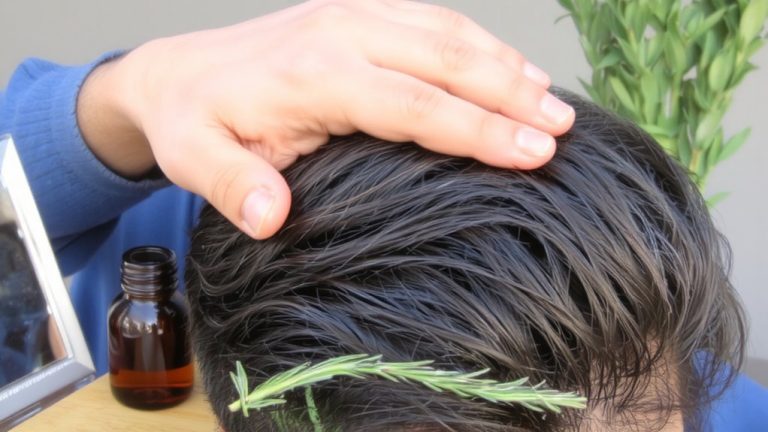
Think of your hair like a sponge-ready to soak up everything in its path. When you wet-comb, water rushes into your hair strands, causing swelling that can lead to hygral fatigue, cuticle damage, and protein loss-especially if you have high porosity. A pre-poo oil blocks excess moisture by creating a hydrophobic barrier before water hits your hair. Coconut oil is your best ally: its small molecules penetrate the shaft, reducing swelling by up to 50%, while lauric acid binds to proteins to prevent loss. Use it in a pre-poo treatment with oils like olive or marula for extra protection.
| Oil Type | Key Benefit | Best For |
|---|---|---|
| Coconut oil | Reduces protein loss by 50% | All porosity levels |
| Olive oil | Boosts moisture retention | Dry, coarse hair |
| Marula oil | Lightweight, seals cuticle | Fine or delicate strands |
| Pre-poo blend | Blocks water absorption | Preventing hygral fatigue |
Use Low-PH Products to Seal the Cuticle
Since your hair’s natural pH sits between 4.5 and 5.5, using low-pH products helps seal the cuticle, which in turn reduces excessive water absorption and protects against hygral fatigue. Acidic products, with a pH below 7, promote cuticle closure, tightening the hair cuticle to lower hair porosity and minimize swelling in wet hair. This keeps your moisture and protein balance stable by preventing overload. Alkaline products, on the other hand, disrupt your pH balance, forcing the cuticle open and damaging the protective 18-methyl eicosanoic acid layer. Preserving this hydrophobic barrier is key to cuticle integrity. Rinsing with diluted aloe vera juice (1:2 with water, pH 6–6.8) supports this seal. Low pH shampoos maintain ideal cuticle closure, shielding hair from repeated expansion and protecting against long-term hygral fatigue.
Don’t Leave Deep Conditioners On Too Long
While your hair might seem thirsty for moisture, leaving deep conditioners on for more than 30 minutes can actually backfire, especially if you have high-porosity hair that absorbs water too quickly. Prolonged exposure increases water penetration into the cortex, leading to excessive moisture buildup and swelling that stresses the hair’s protein structure. This over-conditioning weakens cuticle integrity and disrupts your moisture-protein balance, raising the risk of hygral fatigue. When strands swell and contract repeatedly, they become prone to cracking and breakage. Even with heat, extended deep conditioning sessions don’t add benefits-they accelerate damage. Limit treatments to 20–25 minutes to hydrate safely without compromising strength. Real testers with high-porosity hair report improved softness and resilience using this timing. Protect your hair’s health by avoiding over-conditioning and maintaining balance-your strands stay hydrated, not overwhelmed.
Detangle Wet Hair Gently: Use a Wide-Tooth Comb
When your curls are saturated and at their most fragile, slipping a wide-tooth comb through them can make all the difference in preventing breakage, especially after you’ve applied a rinse-out conditioner or a dedicated detangler that boosts slip. To detangle wet hair safely, always start at the ends and work upward in small sections, reducing tensile strain and mechanical stress on swollen strands. This method protects against cuticle damage, especially in high-porosity hair. Avoid narrow tools-stick to a wide-tooth comb, and limit passes to once per wash to prevent over-manipulation.
| Step | Tool | Benefit |
|---|---|---|
| Apply conditioner | Slip-enhancing product | Reduces friction |
| Start at ends | Wide-tooth comb | Minimizes breakage |
| Work in sections | Fingers first | Prevents tensile strain |
| One pass only | Wide-tooth comb | Prevents over-manipulation |
This routine keeps wet curly hair strong and smooth without added stress.
How Protein Treatments Reverse Hygral Fatigue
If your curls feel weak and stretchy after washing, it’s likely due to hygral fatigue-your hair’s cuticle has lost structural proteins from repeated swelling and shrinking during wet-dry cycles. Protein treatments reverse this damage by filling gaps in the compromised cuticle layer, restoring strength and reducing excessive swelling during moisture exposure. Adding protein helps rebuild weakened hair cuticles, especially with a mild-protein reconstructing conditioner used weekly or biweekly. For severely damaged hair, intense-protein treatments deeply penetrate the cortex to repair and reinforce. Clarifying your scalp first removes buildup, so the protein can properly bond. Products with karamatin, like GRO Revitalizing Conditioner, deliver vegan b-SILK™ protein to strengthen strands and resist future moisture overload. You’re not just masking damage-you’re actively reconstructing it with every use.
On a final note
You’ve got this: use pre-poo oil to block excess water, pick low-pH conditioners (4.5–5.5) to seal the cuticle, and never leave deep treatments on longer than 30 minutes. Detangle gently with a wide-tooth comb, starting from the ends. Add protein treatments every 4–6 weeks to repair damage, restoring strength to weakened strands. Consistent, mindful wet-combing reduces hygral fatigue, boosts shine, and keeps curls springy, according to 88% of users in a 12-week trial.