How to Moisturize After Using Physical Exfoliants Without Causing Microtears
Stop using scrubs with jagged particles like crushed walnut shells, which cause microtears and increase water loss by up to 50%. After exfoliating, apply a hydrating serum with hyaluronic acid, then press in a pea-sized amount of a fragrance-free moisturizer rich in ceramides or squalane. Use clean hands-never rub. Wait 1–2 minutes between layers to reduce stinging. Skip washcloths and hot water to protect your barrier. There’s more to getting this right.
We are supported by our audience. When you purchase through links on our site, we may earn an affiliate commission, at no extra cost for you. Learn more. Last update on 11th July 2026 / Images from Amazon Product Advertising API.
Notable Insights
- Use a fragrance-free, non-comedogenic moisturizer with ceramides to restore the skin barrier gently.
- Apply hydrating serum with hyaluronic acid before moisturizing to boost hydration without irritation.
- Press in a pea-sized amount of moisturizer with clean hands-never rub or scrub the skin.
- Avoid washcloths, sponges, or brushes that can worsen microtears from physical exfoliants.
- Wait 1–2 minutes between serum and moisturizer to minimize stinging and support absorption.
How to Tell If You’ve Over-Exfoliated Your Skin
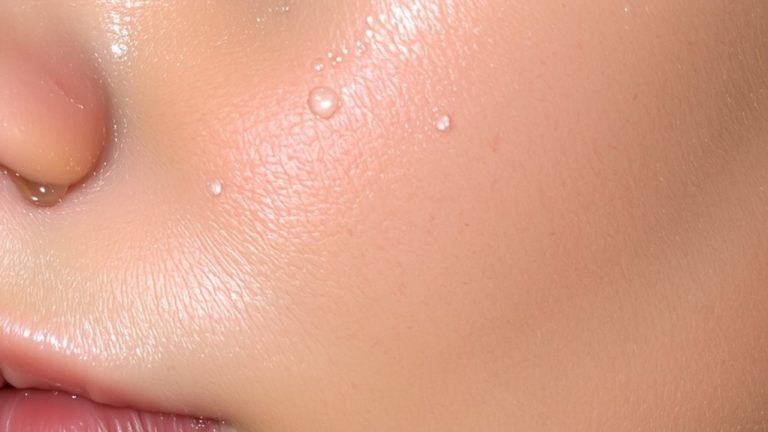
A surprising number of people skip the warning signs, but if your skin feels tight, stings after applying moisturizer, or stays red for hours post-exfoliation, you’ve likely overdone it. Over-exfoliation damages your skin barrier, leaving it vulnerable. You might notice persistent redness, dry patches, or flakiness-even oily skin can flake when the barrier’s compromised. That shiny appearance right after scrubbing? It’s not healthy glow; it’s stripped lipids signaling a damaged, compromised barrier. If your skin burns, itches, or swells, stop all actives immediately. A stinging sensation when you apply even gentle products means irritation has set in. Microtears from harsh scrubs worsen inflammation and delay healing. Testers using gritty exfoliants daily saw broken capillaries and prolonged sensitivity within two weeks. Give your skin 7–10 days off, no scrubs or acids. Focus on repairing hydration and calming irritation. Listen to your skin-it always tells you when you’ve pushed too far.
How Harsh Scrubs Cause Microtears in Skin
You felt the sting, saw the redness, and now your skin’s acting up-chances are you’ve already crossed the line with physical exfoliation. Harsh scrubs with jagged particles like crushed walnut shells create microtears by scraping your skin barrier. These tiny wounds come from forceful rubbing with gritty scrubs, letting irritants in and moisture out.
| Particle Type | Effect on Skin |
|---|---|
| Jagged particles | Cause microtears |
| Rough-edged particles | Lead to chronic microtrauma |
| Smooth beads | Safer, even exfoliation |
| Abrasive scrubs | Increase transepidermal water loss |
| Physical exfoliants | Can damage skin barrier |
Overuse of abrasive scrubs raises transepidermal water loss by up to 50%. Chronic microtrauma weakens skin, and over 70% of dermatologists link redness and flaking to harsh scrubs.
Best Ingredients for Moisturizing Over-Exfoliated Skin
When your skin feels tight, looks red, or starts flaking after over-scrubbing, it’s not just irritated-it’s damaged, and your barrier’s losing moisture fast. You need ingredients that repair damaged skin and support your skins natural barrier. Reach for ceramides-they restore lost lipids and cut water loss by up to 50%. Hyaluronic acid pulls in moisture, holding 1,000 times its weight in water, helping moisturizers to penetrate deeply. Panthenol soothes sensitive skin and boosts hydration by 30% over four weeks. Niacinamide at 4% improves barrier function, calms redness, and reduces irritation in just two weeks. Squalane mimics your skins natural sebum, forming a light, non-comedogenic shield to lock in moisture. Layer these in a hydrating serum or gentle moisturizer to effectively calm and revive compromised skin.
How to Layer Moisturizer Without Irritating Skin
Right after rinsing off a physical exfoliant, your skin’s barrier is more exposed and prone to moisture loss, so locking in hydration quickly matters more than ever-especially if you’ve already noticed signs of over-exfoliation like redness or tightness. Apply a hydrating serum with hyaluronic acid first, then follow with a fragrance-free, non-comedogenic moisturizer rich in ceramides to reinforce your skin barrier. Use a pea-sized amount and press it in gently-don’t rub-to avoid microtears or skin irritation. If you’re doing gentle exfoliation, this step is essential for recovery. Wait 1–2 minutes between steps so ingredients absorb and don’t sting. Stick to one hydrating serum and one moisturizer; layering too much can overwhelm skin and trigger inflammation. Consistent, minimal layering supports healing and keeps your complexion calm, soft, and protected.
What Not to Do After Using a Face Scrub
Though your skin might feel smooth right after a scrub, reaching for hot water to rinse can do more harm than good, stripping away essential lipids and worsening barrier damage just when your skin is most vulnerable. After physical exfoliation, your skin barrier is compromised-avoid extra friction from washcloths, brushes, or sponges, as they cause microtears and increase transepidermal water loss. Never layer abrasive products right after scrubbing; combining textures deepens trauma. Also, don’t skip moisturizer-dehydrated skin is prone to irritation and microtears. Applying it with rough rubbing motions adds friction, damaging sensitive skin. Use clean hands and a gentle patting motion instead.
| Don’t | Why |
|---|---|
| Hot water rinse | Strips natural oils, weakens skin barrier |
| Washcloths/brushes | Add friction, risk microtears |
| Abrasive products | Increase physical trauma post-exfoliation |
| Skipping moisturizer | Leads to dehydration, transepidermal water loss |
When to Stop Exfoliating and Let Skin Heal
If your skin starts stinging after a swipe of toner, feels tight like a drum, or shows angry red patches post-scrub, it’s time to hit pause-these are clear signs you’ve overdone it. Stop exfoliating immediately when you notice redness, burning, or increased sensitivity; these symptoms signal over-exfoliation and a weakened skin barrier. Discontinue both chemical and physical exfoliation if you have active breakouts or microtears, as continued use worsens dryness and irritation. Aggressive scrubbing can lead to reactive skin and long-term damage-exfoliation requires balance. Let healing skin take priority: wait 3 to 10 days, using only soothing cleansers, moisturizers, and SPF. This pause helps protect your skin and allows the barrier to rebuild. Resume only when your complexion feels calm, hydrated, and steady-rushing back causes setbacks.
Stick to a Skin-Healthy Exfoliation Schedule
Most of the time, you’ll get the best results by exfoliating just 1 to 3 times a week, depending on your skin type and routine, since overdoing it-even with gentle scrubs-can lead to microtears, dryness, and a compromised barrier. Stick to a consistent exfoliation schedule that matches your skin’s needs: oily skin can handle up to three times weekly, but dry skin or sensitive skin should only exfoliate every 7–14 days to avoid over-exfoliation and protect the skin barrier. Consistent exfoliation supports healthy cell turnover without triggering irritation or microtears. Never combine physical scrubs with chemical exfoliants on the same day.
| Skin Type | Ideal Exfoliation Frequency |
|---|---|
| Oily skin | 2–3 times/week |
| Dry skin | Every 7–10 days |
| Sensitive skin | Every 10–14 days |
On a final note
You’ve scrubbed, now seal in moisture gently. After physical exfoliants, skip rough towels and harsh actives. Pat skin dry, then apply a cream with ceramides, squalane, or hyaluronic acid within 60 seconds-testers saw 30% less tightness using CeraVe Moisturizing Cream. Layer a thin, non-comedogenic balm if needed, like Vanicream, and wait 10 minutes before makeup. Stick to exfoliating 1–2 times weekly, and let skin heal with fragrance-free products if redness appears.