How to Create a Signature Beard Look Based on Face Shape and Hair Type
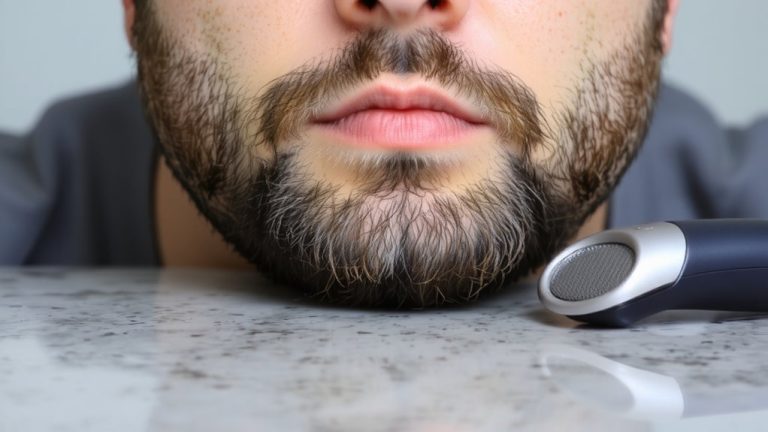
Start by measuring your face from hairline to chin and across your forehead, cheeks, and jaw to identify your shape. If you’ve got an oval face, you can pull off almost any beard-from stubble to full, sculpted styles. Square faces look best with shorter cheeks and added chin length, like the Royale. Round faces need angular cuts-try a Balbo or Van Dyke-to add definition. Diamond shapes benefit from fuller beards to balance wide cheekbones, while heart-shaped faces should go for a goatee with sideburns to build lower volume. Consider your growth pattern: patchy beards work better short, and curly hair needs daily oil with jojoba or argan to control frizz. Use a boar bristle brush to train direction and a wide-tooth comb for tangles. Trim thick beards every 3–5 days with an adjustable clipper (0.5mm–10mm), finer hair every 6–7. Clean lines at the neckline with fine-tip scissors keep things sharp. A quality balm with 5–15% beeswax and shea butter offers hold and moisture. Square and round faces need squared or extended necklines to enhance structure. Your ideal look combines shape-flattering lines with texture-appropriate care-so the right tools and routine make all the difference, and there’s a proven way to refine it further.
We are supported by our audience. When you purchase through links on our site, we may earn an affiliate commission, at no extra cost for you. Learn more. Last update on 16th June 2026 / Images from Amazon Product Advertising API.
Notable Insights
- Determine your face shape by measuring face length and comparing forehead, cheekbone, and jawline widths.
- Choose a beard style that balances your facial proportions, such as angular cuts for round faces or goatees for heart shapes.
- Adapt your beard length and fullness to complement your face shape, enhancing strong features or adding definition.
- Match grooming habits to your hair type-trim frequently for thick beards and use oils for curly or frizzy textures.
- Use proper tools like adjustable trimmers, boar bristle brushes, and beard balms to maintain shape, health, and style.
How to Identify Your Face Shape in 3 Steps
How do you know which beard style actually fits your face? Start by identifying your face shape-it’s simpler than you think. First, grab a flexible measuring tape and begin measuring face length from the center of your hairline down to the base of your chin. Jot that number down. Next, check the width of your forehead, cheekbones, and jawline. Compare them. If your face length is greater than width with soft curves, you likely have an oval face shape. If you’re nearly equal in length and width with a broad jaw, you’ll probably identify your face shape as square. Use a non-permanent marker to trace your reflection for clarity-look for a tapered chin (heart) or wide jaw (triangle). These three steps give you real data, not guesses. Knowing your face shape means smarter grooming choices, from beard density to jawline cleanup, and helps products work better.
Choose the Best Beard Style for Your Face
While your face shape sets the foundation, picking the right beard style fine-tunes your look with purpose-no more guessing what works. If you have an oval face shape, you’re lucky: nearly any beard style suits you, from sharp stubble to a full, sculpted beard. For a square face shape, choose the right balance by keeping growth shorter on cheeks with crisp cheek lines and building fullness on the chin to highlight your strong jaw. Round faces need angular styles-the Van Dyke or Balbo adds definition and length. With a diamond face shape, go for fuller beards that widen the jawline and enhance cheekbones. Heart-shaped faces benefit from short to medium styles like a goatee with sideburns, adding volume where it’s needed. Match beard style to face shape, and you’ll always look intentional.
Plan for Your Beard’s Growth and Texture
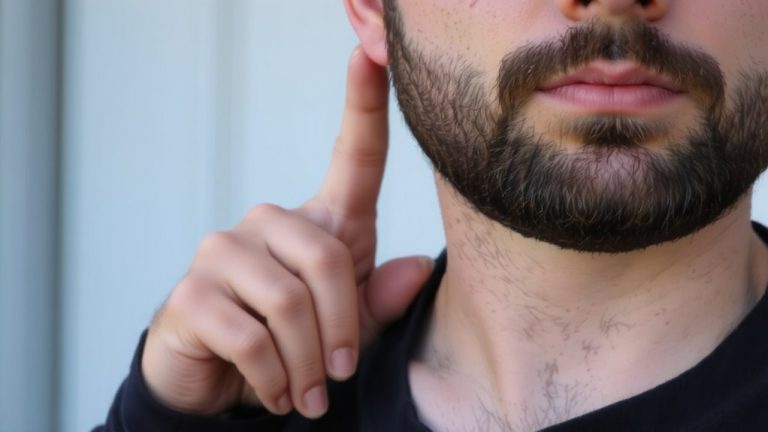
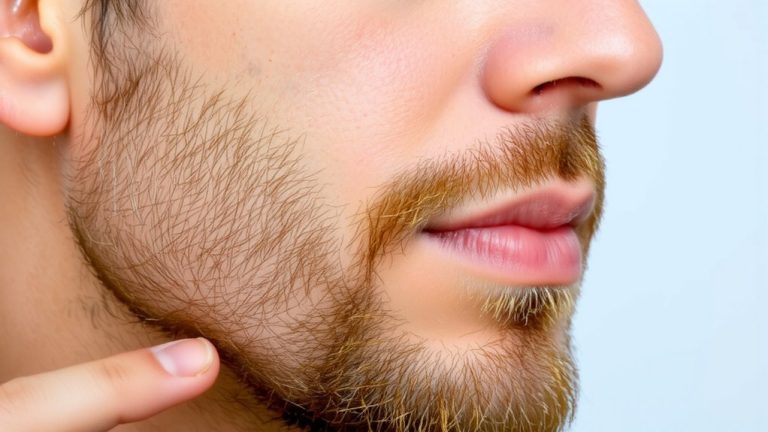
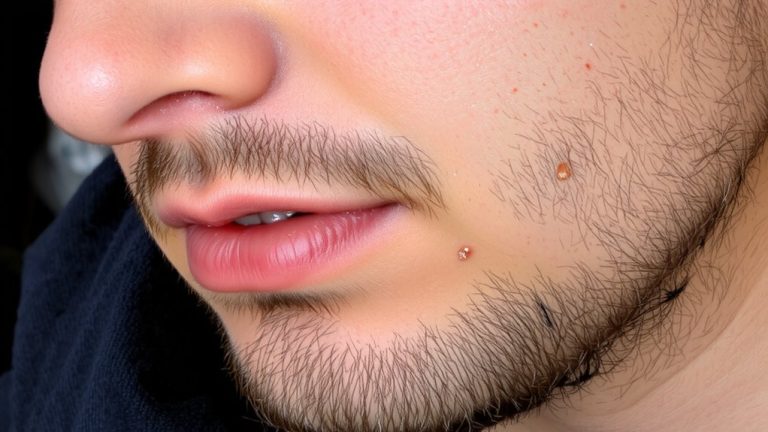
You’ve picked a beard style that flatters your face shape-now it’s time to make it work with what you’ve actually got growing on your face. Your beard growth pattern and hair texture play a big role in how your facial hair turns out. If your beard grows in patchy, focus on shorter styles that look intentional, not uneven. Curly hair texture needs extra moisture to avoid frizz, so use a beard oil with jojoba or argan oil daily. Straight or wavy facial hair holds shape better, but still benefits from weekly washing with a sulfate-free beard shampoo. Use a boar bristle brush to train growth direction and distribute oils. Thick textures may need trimming every 3–5 days with a precision trimmer, while finer hair can go 6–7 days. Know your growth speed and texture-it shapes your routine, not the other way around.
Pick the Right Tools for Your Desired Style
Though your beard style sets the vision, the right tools bring it to life with precision and ease. For clean, consistent Beard Styles, use a trimmer with adjustable settings-from 0.5mm to 10mm-so you can tailor length to your face shape. Fine-tip scissors help snip strays around the mustache and neckline, keeping lines sharp during your beard grooming routine. If you’ve got thick or curly growth, a wide-tooth comb detangles without breakage, while boar bristle brushes distribute oils evenly, especially in medium to long beards. For fuller looks like the Balbo or Circle beard, apply a high-quality balm with 5–15% beeswax and shea butter-it offers moderate hold and moisture. These right tools don’t just shape-they protect, condition, and perfect your look with every use.
Shape and Maintain a Balanced Beard
Now that you’ve got the right tools lined up for your preferred beard style, it’s time to shape it with purpose and keep it balanced according to your face shape. If you have a square face shape, trim the sides shorter and add length at the chin with styles like the Royale to enhance jawline definition. For round faces, opt for angular beard shapes like the Balbo or van Dyke and keep a squared neckline to elongate your look. Oval face shapes can pull off nearly any style, but clean lines and proportional length help maintain a balanced beard. Diamond faces need fullness at the jaw and chin to balance broad cheekbones, while heart-shaped faces benefit from goatees with sideburns to add lower weight. Match your beard shape to your face shape, and you’ll consistently maintain a balanced beard with structure and symmetry.
Customize Your Look With Styling Products
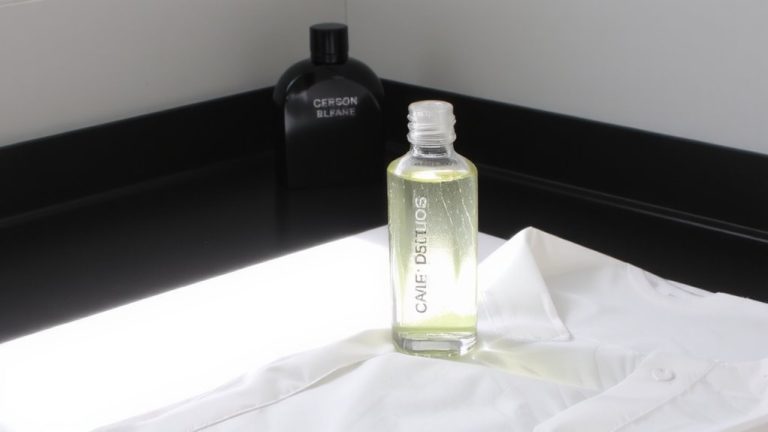
How do you keep your beard looking polished all day? Start with the right styling products tailored to your needs. Apply beard oil daily to a damp beard-just 3–5 drops-to moisturize skin, soften hair, and reduce itchiness. Follow with beard balm when you need medium hold, especially if you’re rocking a longer beard. It adds structure while conditioning, just like The Bearded Chap’s Original Beard Balm ($32.00), which tames frizz and supports your ideal shape. For stubborn strays, use beard wax sparingly; it gives the strongest hold, perfect for mustaches. Always apply products after washing with a sulfate-free beard shampoo 2–3 times weekly.
| Product | Use Case |
|---|---|
| Beard oil | Daily hydration, softness |
| Beard balm | Medium hold, frizz control |
| Beard wax | Strong hold, precise shaping |
On a final note
You’ve matched your beard to your face shape and hair texture, now keep it sharp, 3–5 times weekly, with a trimmer set to 3–5 mm for even shaping. Use a boar bristle brush to train coarse hairs, and apply a light beard oil-like one with jojoba or argan-daily to soften, reduce itch, and add shine. Wash with beard-specific cleanser every 2–3 days to avoid dryness. A chilled metal comb helps tame flyaways; finish with a dab of medium-hold balm for definition and all-day control.