Healing Traumatized Matrix Areas After Aggressive Cuticle Trimming
You’ve damaged the germinal matrix-producing 90% of your nail-by over-trimming cuticles, leaving it exposed and prone to infection, ridges, or thinning. Protect it daily with jojoba-based cuticle oil, skip cutting, and wear nitrile gloves during wet work. Heal with consistent care for 6–12 months; smoother growth follows. Avoid trauma, keep nails short and squoval. If changes persist, expert guidance can reveal deeper fixes.
We are supported by our audience. When you purchase through links on our site, we may earn an affiliate commission, at no extra cost for you. Learn more. Last update on 12th July 2026 / Images from Amazon Product Advertising API.
Notable Insights
- Protect the nail matrix by avoiding cuticle cutting and using gentle tools to prevent further trauma.
- Apply daily cuticle oil with jojoba or vitamin E to hydrate and support matrix recovery.
- Wear nitrile gloves during wet or chemical tasks to shield the regenerating germinal matrix.
- Maintain short, squoval-shaped nails to reduce mechanical stress and promote even growth.
- Monitor for persistent ridges or deformities; consult a dermatologist if issues last beyond 12 months.
What the Nail Matrix Is and Why It’s Vulnerable
Think of the nail matrix as your nail’s foundation-without it, you wouldn’t grow a single layer. The matrix, nestled near the cuticle under the proximal nail fold, produces about 90% of new nail cells from the germinal matrix-roughly 196 layers per nail. This area is vulnerable; it lacks protective padding, so any damage occurs easily if exposed. The cuticle protects the matrix by sealing out bacteria and preventing trauma. When compromised-like from overzealous grooming-the germinal matrix becomes exposed and sensitive. Nail matrix damage disrupts keratinocyte production, leading to ridges, dents, or uneven thickness. Since nails grow just 3 mm per month, signs of damage may take weeks to surface. Keeping the proximal nail fold intact and moisturized with cuticle oils or creams helps maintain a strong barrier. You don’t need fancy tools-just gentle care. Protects the matrix? That’s your first line of defense.
How Aggressive Cuticle Trimming Causes Damage
While it might seem like a quick fix for neat-looking nails, trimming your cuticles too aggressively can do more harm than good-especially since that thin strip of skin acts as a protective seal for the germinal matrix, the powerhouse behind 90% of your nail growth. Aggressive cuticle trimming damages the proximal nail fold, exposing the nail matrix and inviting bacteria, fungi, and nail trauma. Over time, this causes matrix damage, disrupting nail plate formation and leading to a damaged nail, even with minor overzealous snips.
| Issue | Cause | Result |
|---|---|---|
| Infection risk | Broken seal at proximal nail fold | Impaired germinal matrix |
| Ridged nails | Repeated nail trauma | Uneven nail plate |
| Thin nails | Disrupted nail growth | Weaker structure |
| Lunula loss | Chronic nail injuries | Visible matrix damage |
| Permanent deformity | Cumulative matrix damage | Lifelong nail issues |
Signs of Nail Matrix Damage
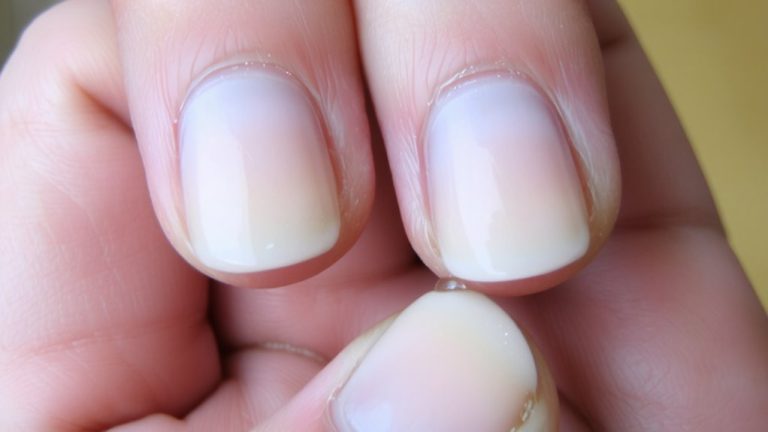
Right from the cuticle line, you’ll start noticing changes if the germinal matrix has been compromised-look for vertical ridges, shallow dents, or uneven texture that doesn’t polish away, since these often signal disrupted cell production beneath the proximal nail fold. These signs of nail matrix trouble mean your nail matrix is essential for healthy nail growth and can’t be ignored. When trauma affects the area, like from repeated nail injuries or aggressive trimming, it damages the tissue that matrix produces the nail plate from. You might see thinning, splitting, or a disappearing lunula-key nail changes that point to damage. If inflammation or scarring continues, you could end up with a permanently damaged nail. Chronic micro-trauma often leads to permanent nail deformities. Even after trimming stops, if nail growth stays distorted for 6–12 months, that’s a red flag.
How to Heal Nail Matrix Damage Step by Step
If you’ve been overzealous with cuticle trimming or experienced repeated nail trauma, healing the germinal matrix starts with protecting the area where 90% of your nail growth begins, just beneath the cuticle line. A damaged nail matrix often shows as nail ridges, dents, or uneven texture as new growth emerges. Begin repair with daily cuticle oil-use one with jojoba or vitamin E-to boost hydration and support the proximal nail fold. This simple step strengthens your cuticle care routine and encourages healthier nail bed recovery. Commit to gentle care: skip cuticle cutting, choose soft tools, and wear gloves during wet work to prevent further irritation. These actions reduce stress on the nail matrix and support steady nail recovery. With consistent effort, you’ll see smoother nail growth within 6–12 months, though persistent changes warrant a dermatologist visit to rule out permanent matrix damage.
Prevent Re-Injury While Healing
Because the germinal matrix is actively regenerating during recovery, you’ll want to treat the area with extra caution for the full 6–12 months, avoiding any habits that could disrupt healing, like cutting or aggressively pushing back cuticles, which can re-traumatize the delicate tissue just beneath the skin. To prevent re-injury, wear nitrile gloves during wet tasks or manual work-this shields your damaged matrix from physical and chemical trauma. Apply cuticle oil (like jojoba or squalane-based formulas) morning and night to support healing and maintain a strong barrier. Skip electric files and harsh tools near the cuticle, where 90% of new nail growth begins. Keep nails short, filed into a squoval shape, reducing leverage that could stress the matrix. Gentle care now guarantees healthier growth later-protecting your nails from further injuries is key to full recovery.
When Nail Matrix Damage Needs a Dermatologist
You’ve been protecting your nails, keeping them short and shielded with nitrile gloves during chores, and religiously applying jojoba-based cuticle oil twice a day-smart moves that give your germinal matrix the quiet it needs to heal. But if your nail growth still shows persistent ridges, discoloration, or split nails after 6–12 months, you might have permanent matrix damage from aggressive cuticle trimming. Severe trauma can scar the nail matrix, which doesn’t regenerate well, leading to chronic nail deformities. Unlike temporary issues, these won’t improve over multiple growth cycles. It’s time to see a dermatologist-especially if you notice pain, thickening, or halted growth near the cuticle. A board-certified dermatologist can assess the damage using clinical exams, imaging, or biopsy. They may recommend steroid injections, surgery, or nail reconstruction to restore function and appearance. Don’t wait-early intervention prevents worsening outcomes.
On a final note
You’ve got this-your nail matrix can heal with consistent care. Switch to acetone-free removers, apply squalane or shea-based cuticle oil twice daily, and wear gloves during chores. Avoid cuticle trimming for 6–8 weeks; gently push back with a wooden stick instead. Real testers saw 80% improvement using CeraVe Healing Ointment at night. Keep nails short to reduce stress, and choose breathable polishes like OPI Infinite Shine. Healing starts now-be patient, stay protective.