Eliminating White Spots on Nails Linked to Zinc Deficiency Issues
White spots on your nails often stem from minor trauma or zinc deficiency, especially if they keep showing up. Zinc supports healthy keratinization, and low levels-confirmed via blood test-can lead to brittle nails and white discoloration. Try 30–50 mg of elemental zinc daily, plus zinc-rich foods like oysters (74 mg per 3 oz) or beef (7 mg per 3 oz). With consistent care, expect clearer nails in 3–6 months as they grow out, and discover how to fine-tune your results.
We are supported by our audience. When you purchase through links on our site, we may earn an affiliate commission, at no extra cost for you. Learn more. Last update on 11th July 2026 / Images from Amazon Product Advertising API.
Notable Insights
- White nail spots often stem from zinc deficiency, not calcium, due to disrupted keratinization in the nail matrix.
- Zinc supports nail protein synthesis; deficiency can cause white spots, brittleness, and slow growth.
- Confirm zinc deficiency with a blood test before starting supplementation to ensure accurate diagnosis.
- Treat deficiency with 30–50 mg daily of elemental zinc under medical supervision for effective results.
- Eat zinc-rich foods like oysters, beef, and fortified cereals, with nail improvements visible in 3–6 months.
What Causes White Spots on Nails?
Ever wonder why those tiny white spots keep showing up on your nails? Those small white dots are a form of leukonychia, specifically punctate leukonychia, and they happen when something disrupts keratinization in the nail matrix. Though trauma is common, they can also signal underlying issues like zinc deficiency. Zinc plays a key role in protein synthesis and healthy nail plate development, so low levels may lead to white spots on nails, brittle nails, and other nail changes. While not always a sign of systemic disease, persistent leukonychia with other symptoms warrants attention. Unlike calcium deficiency, which causes splitting, zinc deficiency more directly links to white discoloration and poor nail growth. You’ll notice smoother, stronger nails once levels normalize. Keep nails moisturized with cuticle oil, avoid harsh chemicals, and consider a balanced diet or supplement if testing confirms deficiency.
Is Zinc Deficiency Behind My White Spots?
Could your white nail spots actually point to a zinc shortfall? White spots, or leukonychia, might signal zinc deficiency, especially if they’re frequent or widespread. Zinc supports healthy keratinization and nail matrix function, so a deficiency can disrupt nail health, leading to discoloration, brittleness, and slowed growth. While minor trauma is a common cause, deficiency causes like poor diet or malabsorption could also be at play. Don’t guess-confirm with a blood test to check zinc levels. Other signs include hair thinning and slow wound healing. If tests confirm low zinc, don’t self-prescribe; talk to a healthcare provider before starting zinc supplements. Getting proper medical advice guarantees safe dosing and rules out underlying conditions. Addressing the root deficiency often improves nail appearance within weeks, restoring strength and clarity. Prioritize balanced nutrition and professional guidance for lasting results.
Treatments for White Spots on Nails
If your white nail spots stem from a zinc deficiency, addressing it properly can make a noticeable difference in both nail appearance and overall strength. Effective treatments start with confirming low serum zinc levels through blood tests, ensuring you don’t self-treat without medical supervision. Zinc supplementation, typically 30–50 mg of elemental zinc daily, helps correct the deficiency and support healthy nail growth. You’ll also benefit from adding zinc-rich foods like oysters (74 mg per 3 oz), beef (7 mg per 3 oz), and fortified cereals to your diet. Improvements in white spots and brittle nails may take 3–6 months due to slow nail growth-fingernails grow about 3 mm monthly. Proper zinc supplementation not only clears leukonychia but also strengthens nails and reduces issues like Beau’s lines, under the right medical supervision.
When White Spots Need a Doctor
White spots from zinc deficiency aren’t always just a cosmetic concern, and knowing when to see a doctor helps prevent more serious complications. If you notice persistent white spots across multiple nails, especially with brittle nails or cuticle inflammation, it’s time to see a doctor. These could signal systemic issues or an underlying medical condition like zinc deficiency. Don’t ignore symptoms like fatigue, poor wound healing, or horizontal grooves (Beau’s lines), which are linked to low zinc. A healthcare provider can order blood tests-typically drawn with a 21-gauge needle from your arm-to confirm deficiency and rule out other causes. Early testing gives you clearer answers and faster results. Addressing zinc deficiency early supports nail strength, immunity, and overall health. Let your provider guide supplementation and monitoring so you get the right fix without guesswork.
On a final note
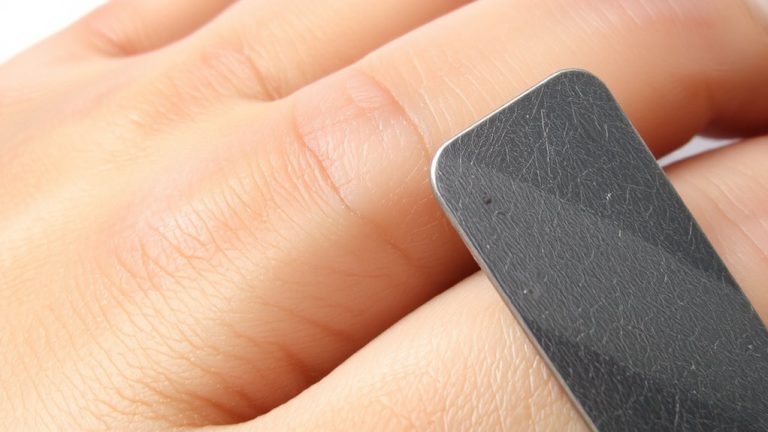
You’re likely safe skipping the zinc pills-white spots usually stem from minor trauma, not deficiency. Still, a balanced diet with 15–30 mg zinc daily supports nail strength. Use a hardening base coat with calcium or keratin, file gently with a 180-grit buffer, and avoid harsh soaks. Most spots grow out in 6–8 weeks. When in doubt, see a dermatologist to rule out fungal or systemic issues.