Best Haircut for Postpartum Hair Loss
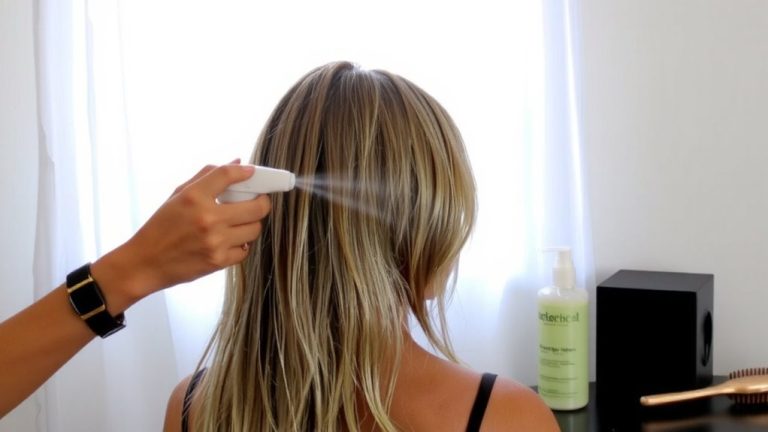
Go for a shoulder-length blunt bob or soft shag cut-they add instant fullness and frame your face beautifully. These styles hide thinning at the crown and temples while giving wispy ends more weight. Curtain bangs or baby bangs boost volume up top, and a middle part creates symmetry. Use RŌZ Root Lift Spray for lift, and skip heat tools to protect fragile strands. You’ll discover smart prep steps and expert-backed treatments next.
We are supported by our audience. When you purchase through links on our site, we may earn an affiliate commission, at no extra cost for you. Learn more. Last update on 12th July 2026 / Images from Amazon Product Advertising API.
Notable Insights
- A blunt shoulder-length bob adds visual fullness and minimizes wispy ends common during postpartum shedding.
- Soft shag cuts with textured layers create volume and movement in thinning hair.
- Curtain bangs or baby bangs frame the face and draw attention away from sparse areas.
- Middle parts and loose updos help conceal thinning at the crown and temple regions.
- Pair your haircut with volumizing products like root lift sprays to enhance body and extend style.
Understand Why Hair Changes After Baby
While pregnancy may have given you that enviable glow and noticeably thicker hair, what’s happening now probably feels like a cruel reversal-except it’s completely normal. Postpartum hair loss kicks in 2–4 months after giving birth, thanks to plunging estrogen levels. During pregnancy, high estrogen extends your hair’s growth phase, so you shed fewer than the usual 50–100 hairs daily. Now, those retained strands are all dropping at once-up to 400 per day at peak shedding around month four. This sudden thinning can be alarming, but it’s temporary, not permanent balding. Many women also notice changes in hair texture-new curl patterns, shifts in thickness, or altered volume-some of which may last beyond the postpartum phase. Understanding this hormonal reset helps you adapt your hair care routine with patience and practical products, like volumizing shampoos and low-tension styles, to support your changing hair.
How Long Postpartum Hair Loss Lasts (and When It’s Normal)
How long will your hair keep shedding after baby? If you’re experiencing postpartum hair loss, you’re not alone-it typically starts 2 to 4 months after giving birth, peaking around 4 months postpartum when you might lose up to 400 hairs daily. This shedding happens as estrogen drops, pushing more hairs into the resting phase of the hair regrowth cycle. How long postpartum hair loss lasts varies, but most notice shedding slows by 6 to 12 months. Hair regrowth follows, with baseline volume usually returning within a year. Even though it feels excessive, this phase is normal and temporary. During these months after giving birth, focus on gentle care: sulfate-free shampoos, soft brushes, and avoiding heat damage. Knowing how long postpartum hair loss lasts can ease your mind-your hair will grow back.
Style Thin Hair to Look Fuller After Pregnancy
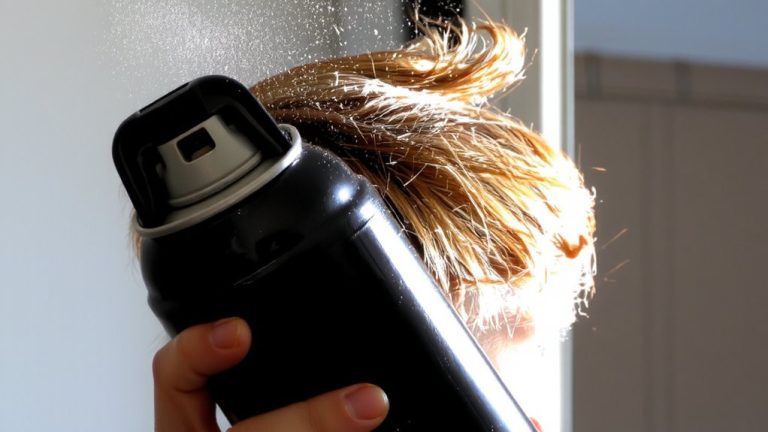
You’re not stuck waiting for your hair to grow back before seeing a fuller look-smart styling choices now can make a real difference. Try a blunt cut, like a shoulder-length bob, to eliminate wispy ends and add visual weight so your hair looks thicker. Layered styles with interior texture or a soft shag boost volume, especially as your natural hair regrows. Swap harsh fringes for baby bangs or curtain bangs-they frame your face and draw eyes away from thinning areas. Style your hair with a middle part or loose low updos to hide thinning at the crown and temples. Use volumizing products like RŌZ Root Lift Spray or dry shampoo to lift roots and stretch hair care days. These small tweaks give lasting fullness, keeping your hair looks fresh and confident every day.
Pre-Cut Care: Strengthen Hair Before Your Postpartum Haircut
Since postpartum hair is often fragile and shedding can reach 400 strands a day, getting your scalp and strands in ideal condition before a haircut makes all the difference-start using thickening products like Aveda’s Invati or Dr. Groot Shampoo 4–6 weeks pre-cut to support Hair Growth and follicle health. Massage your scalp daily with the Gro Scalp Massager for 5 minutes to boost circulation and make hair stronger. Use an in-shower exfoliator like the Miracle In-Shower Treatment weekly to remove buildup and keep your hair follicles clear. Skip heat tools and tight styles to manage postpartum hair stress. Continue prenatal vitamins or try Nutrafol (with doctor approval) to improve density. These steps help keep your hair resilient, make hair look fuller, and prep for a successful postpartum haircut.
How to Talk to Your Stylist About Hair Loss
You’ve already taken steps to strengthen your hair before your cut, using scalp massages, thickening shampoos like Aveda’s Invati, and avoiding heat stress-now it’s time to make sure your stylist understands exactly what you’re working with. Be honest: you’re dealing with postpartum hair loss, shedding up to 400 hairs a day, usually 2–4 months after birth. Mention thinning at your temples, any texture shifts, and if you’re seeing “postpartum bangs” or baby hairs growing in. Tell them how often you wear your hair up or rely on headbands. Share if you’re nursing or on supplements, since that affects regrowth. Let them know you want styling tips that are low-maintenance and boost volume, so they can give your hair a cut-like a lob or layered shag-that helps you feel confident.
When to Try Supplements or See a Doctor for Hair Loss
When should you consider stepping beyond shampoos and haircuts to tackle postpartum hair loss? If you’re shedding excessive hair past 12 months, noticing bald patches, or your hair long seems thinner than normal, it’s time to act. Daily shedding over 100 hairs is typical, but persistent loss could signal thyroid issues or telogen effluvium. You should consult a healthcare provider before trying oral supplements like minoxidil or pricier options like Nutrafol ($88/month), especially if nursing. Some supplements can help make your hair grow back, like OUAI’s Thick and Full Hair Supplement, but work best under medical supervision. A doctor can run labs, check for underlying conditions, and guide safe use. Don’t guess-pair proven products with professional advice to support regrowth, monitor progress, and adjust treatment for better, lasting results.
On a final note
You’ve got this. Postpartum hair loss usually peaks at 3–4 months and fades by month 6–12. Try a textured lob-10 to 12 inches-to add volume. Use thickening shampoo with biotin, like Living Proof Full, and dry shampoo between washes. Tease gently at roots, avoid tight ponytails. Talk to your stylist about layering for fullness. Testers love R+Co’s Dallas Balm for a polished finish. If shedding lasts beyond a year, check thyroid or iron levels.