Best Way to Get off Press on Nails
Soak a cotton pad in pure acetone, press it onto each nail, and wrap with foil for 10 to 15 minutes-this dissolves strong adhesive fast. Prep first by filing down tips and applying cuticle oil to protect skin. After removal, gently buff residue and moisturize with vitamin E oil. For reuse, try a non-acetone remover like Glue Off. Your nails will stay healthier with a 2–3 day break before the next set. There’s more to mastering the perfect removal routine.
We are supported by our audience. When you purchase through links on our site, we may earn an affiliate commission, at no extra cost for you. Learn more. Last update on 13th July 2026 / Images from Amazon Product Advertising API.
Notable Insights
- Use pure acetone with cotton pads wrapped in foil for 10–15 minutes to effectively loosen strong adhesive.
- File down 3D elements or extensions first to reduce adhesive surface and ease removal.
- Protect skin by applying cuticle oil before soaking to prevent dryness and irritation.
- For a gentler option, soak in warm water with dish soap and oil for 15 minutes.
- After removal, moisturize with cuticle oil and let nails rest 2–3 days before reapplying.
How to Remove Press-On Nails Safely
While acetone works best for dissolving the strong adhesive on press-on nails, you’ll want to protect your skin and natural nails throughout the process, so start by applying cuticle oil to the base and sides of each nail to create a barrier against dryness, then saturate cotton pads with pure acetone and secure one over each nail with a small piece of aluminum foil, making sure the cotton stays in full contact for even soaking; leave them in place for exactly 10 to 15 minutes-any longer can weaken your nail plate-then gently wiggle each press-on from side to side to break the seal without forcing it, using a wooden cuticle stick to lift the edge if needed, and never pry aggressively, since real testers reported less lifting and irritation when they let the acetone do the work. Keeping natural nails intact means avoiding force, focusing on perimeter seal breakup, and moisturizing after removal to restore softness.
Prep Your Nails for Quick, Damage-Free Removal
A few smart prep steps can save you time and protect your natural nails when removing press-ons. Start by filing down any 3D designs or extended tips-this reduces adhesive surface area and speeds up soaking. Make sure to apply cuticle oil or hand moisturizer around the edges to shield your skin from acetone’s drying effects. Gather all your supplies first: cotton pads, acetone, aluminum foil, a bowl, and a cuticle stick-having everything ready prevents interruptions during the 20-minute process. Make sure you use acetone-based remover, not polish remover, since it breaks down strong adhesives faster, especially after a week of wear. Soak cotton pads thoroughly, place them on each nail, and wrap with foil to lock in moisture. Do both hands at once for even softening in just 10–15 minutes. Make sure your prep is solid, and removal will be quick and damage-free.
Use the Acetone Soak Method for Fast Results
When you’re dealing with stubborn press-on adhesives, soaking your nails in acetone is your quickest path to a clean, intact removal-typically loosening the glue in just 10 to 15 minutes, faster than warm water alone. The acetone soak method works because pure acetone or acetone-based remover efficiently breaks down strong nail adhesives, especially when you use cotton pads dipped in acetone, wrap each nail in foil, and let them sit. This method dissolves the bond without forcing or peeling, protecting your natural nails. After soaking, gently rock each nail side to side to lift it off cleanly. While the acetone soak method delivers fast, reliable results, keep in mind it usually ruins the glue and press-ons, so reuse isn’t likely. Always work in a ventilated area, and moisturize after to counteract dryness.
Try These Gentle Non-Acetone Removal Options
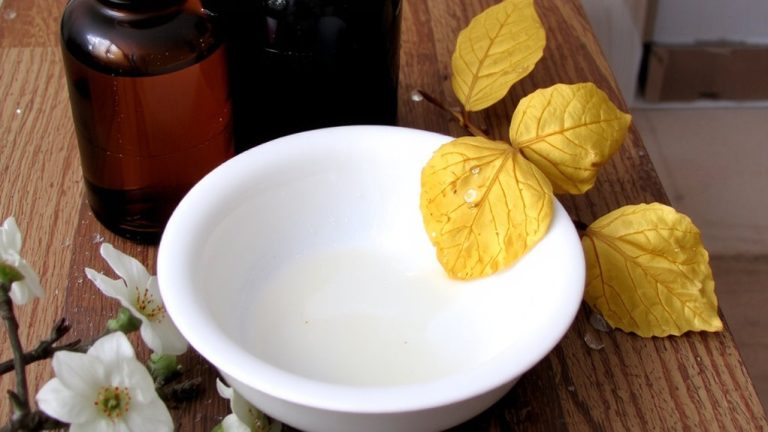
Skip the harsh fumes and keep your nails strong by opting for gentle, non-acetone removal methods that protect your natural nail bed while still delivering reliable results. Try the warm water soak: mix warm water, a few drops of dish soap, and skin-safe oil-like cuticle oil or olive oil-in a bowl. Soak your fingertips for about 15 minutes until the adhesive softens. The dish soap helps break down residue while the oil moisturizes cuticles. After soaking, use a cuticle stick to gently lift the edges of the press-ons, especially where they’ve started to lift naturally. Never force them off-this prevents damage to your natural nail plate. For faster results, try non-acetone glue removers from Walgreens or Amazon, like Glue Off, which dissolve bonds without drying your nails. These options are ideal if you plan to reuse your press-ons later.
Care for Your Nails After Press-On Removal
Treat your natural nails to some serious TLC after popping off press-ons-your cuticles will thank you. Rinse your hands right away to wash away any leftover acetone or soap, which can dry out skin and weaken nails. Gently buff off residual glue with a fine-grit file-don’t press hard, or you’ll thin your nail plate. Follow up right away with a rich hand cream to restore moisture lost during removal; acetone strips natural oils fast. Then, apply cuticle oil daily to rehydrate the nail bed and prevent cracking or hangnails. Testers using vitamin E-enriched oils saw improvement in nail flexibility within 48 hours. If your nails feel soft or look thin, give them at least 2–3 days of rest before reapplying press-ons. That small break reduces damage risk and supports stronger regrowth.
On a final note
You’ve safely removed your press-ons, and now it’s time to restore your natural nails. Gently buff any residue, then hydrate with a cuticle oil-like CND SolarOil, applied twice daily. Follow with a nourishing base coat, such as OPI Nail Envy, to strengthen. Keep nails short for a week to prevent snagging. Moisturize hands with Cerave Hydrating Cream, and avoid harsh soaks. Your nails will rebound quickly, smooth and ready for next time.