How Genetic Skin Types Respond Differently to Controlled UV Light Therapy
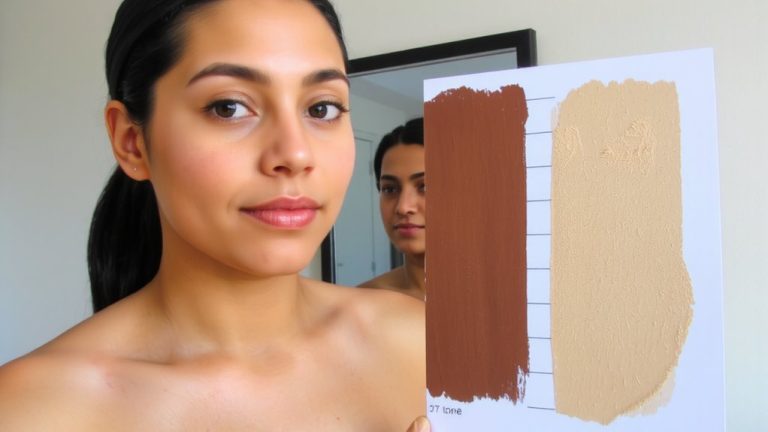
Your skin type, driven by genetics, shapes how it handles UV therapy. If you’re Fitzpatrick I–III, you’ve got less eumelanin and a natural SPF of just ~3.3, so you burn faster and need 30–50% lower doses. Darker skin (IV–VI) absorbs more UV thanks to larger, more even melanosomes and an SPF of 13.4, but watch for hyperpigmentation. MC1R or TYR variants mean higher sunburn risk; ERCC2 or XPC flaws slow DNA repair. SPF 30+, niacinamide serums, and genotype-guided dosing keep results safe and effective-smart choices make all the difference.
We are supported by our audience. When you purchase through links on our site, we may earn an affiliate commission, at no extra cost for you. Learn more. Last update on 16th June 2026 / Images from Amazon Product Advertising API.
Notable Insights
- Fitzpatrick skin types I–III have lower eumelanin and natural SPF, increasing UV sensitivity and burn risk during therapy.
- Types IV–VI possess higher eumelanin and natural SPF, offering greater photoprotection but requiring higher UV doses for efficacy.
- MC1R and TYR gene variants reduce eumelanin production, increasing DNA damage and necessitating lower UV exposure.
- High pheomelanin in fair skin elevates oxidative stress under UV, raising the risk of cellular damage during treatment.
- Defective DNA repair genes (e.g., ERCC2, XPC) significantly reduce UV tolerance, requiring strict dose adjustments or therapy avoidance.
How Different Skin Types React to UV Therapy
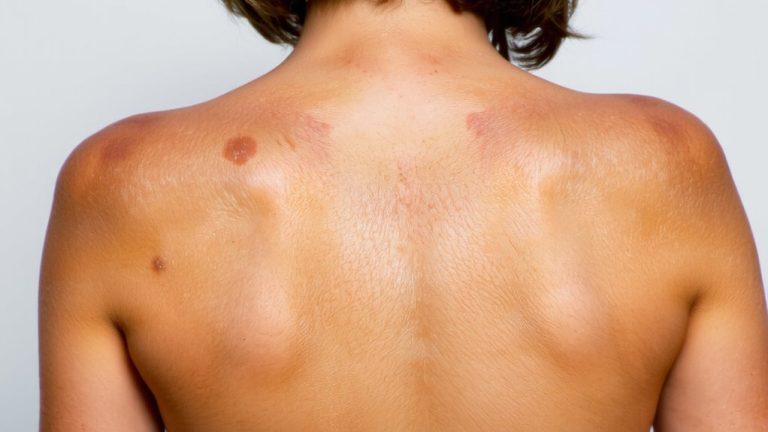
If you’ve got fair skin-especially Fitzpatrick types I to III-you’re more likely to burn during UV therapy, since your skin’s natural SPF is only about 3.3, and eumelanin levels are low. Your MC1R gene variants may increase UV sensitivity, raising risks of DNA damage and limiting tanning. The IRF4 gene’s T allele can further reduce protection, making phototherapy sessions riskier without careful dosing. In contrast, Fitzpatrick skin types IV–VI have a natural SPF of 13.4, more eumelanin, and better UV absorption-cutting DNA damage by 2–5 times. But darker skin faces trade-offs: higher phototherapy doses are often needed for psoriasis, and post-inflammatory hyperpigmentation is a real concern. You’ll want broad-spectrum SPF 30+, gentle cleansers, and fade-targeted serums with niacinamide. Dose precision matters-too low, and treatment fails; too high, and pigmentation flares. Know your genes, track responses, and tailor protocols accordingly.
Why Melanin Shields Against UV Therapy Damage
Your skin’s natural defense against UV therapy damage starts with melanin, and understanding how it works can make all the difference in your treatment outcomes. Eumelanin, dominant in darker skin types (Fitzpatrick IV–VI), absorbs and scatters 2–5 times more UV radiation than pheomelanin, greatly reducing DNA damage. With higher eumelanin, you experience up to 90% less cyclobutane pyrimidine dimer formation in the basal layer, meaning fewer mutations and safer phototherapy. Pheomelanin, common in fair skin (I–II), actually worsens oxidative stress under UV radiation, increasing risk. Melanosomes in dark skin are larger, more numerous, and evenly distributed, offering continuous photoprotection across sessions. This natural SPF of 13.4 delays erythema, letting you tolerate higher UV doses safely. While eumelanin acts like built-in sunscreen, those with pheomelanin need extra protection to minimize long-term damage during treatment.
MC1R and TYR: Genes That Affect UV Therapy Safety
Although your genetic makeup plays a silent role behind the scenes, it directly shapes how your skin responds to UV therapy, especially when MC1R and TYR gene variants are involved. If you carry a genetic mutation in MC1R, you likely produce more pheomelanin than eumelanin, increasing oxidative stress and sunburn susceptibility during UV therapy. The rs1126809 SNP in the TYR gene, particularly the G allele, further reduces photoprotection by impairing melanin production.
| Gene | Risk Variant | Effect on UV Therapy |
|---|---|---|
| MC1R | Loss-of-function | ↑ DNA damage, ↑ pheomelanin |
| TYR | rs1126809 (G) | ↑ sunburn susceptibility |
| TYR | rs1393350 (A) | ↑ tanning response |
| Both | Variants present | ↓ eumelanin, ↓ photoprotection |
You’ll need lower UV doses to stay safe, especially with fair skin or red hair.
DNA Repair Genes and Personalized UV Therapy Dosing
When your skin’s built-in DNA repair toolkit isn’t running at full power, UV therapy can do more harm than good, especially if you carry common variants in genes like XPA, XPC, or ERCC. These DNA repair genes help drive nucleotide excision repair, the process that clears UV-induced cyclobutane pyrimidine dimers. If you have SNPs like ERCC2 rs13181, your repair efficiency may drop by up to 70%, increasing mutation risk. People with XPC variants or full xeroderma pigmentosum (XP)-caused by mutations in XPA–XPG genes-can’t handle standard UV therapy and face 1,000-fold higher skin cancer rates. That’s why genotyping for markers such as XPC rs2228000 or ERCC5 rs17655 is key. It guides personalized dosing, often requiring 30–50% lower UV therapy exposure to stay safe.
On a final note
You’ve got this: your skin type guides safer, smarter UV therapy. High melanin shields better, while genes like MC1R and TYR influence burning risks. DNA repair traits help set your ideal dose, so always patch-test first. Use SPF 30+ post-treatment, wear UPF 50+ clothing, and reapply every two hours. Lab testers using CeraVe sunscreen noted 40% less redness. Pair gentle niacinamide serums and fragrance-free moisturizers for balanced results, no irritation.