How Certain Medications Increase Photosensitivity Risks in Tanning Beds
You’re exposed to UVA rays up to 15 times stronger than sunlight when using tanning beds, and medications like doxycycline, hydrochlorothiazide, or isotretinoin heighten your skin’s photosensitivity, making reactions faster and more severe. These drugs absorb UV energy, triggering phototoxic responses-think blistering, pain, and peeling-within minutes. Unlike everyday sun exposure, tanning beds deliver intense, concentrated doses that overwhelm sensitized skin. Sunscreen (SPF 30+), UPF clothing, and UV-blocking sunglasses help, but avoidance is best. Real testers on voriconazole reported sunburn after just 5 minutes. There’s more to examine about drug-skin interactions under high-intensity UV.
We are supported by our audience. When you purchase through links on our site, we may earn an affiliate commission, at no extra cost for you. Learn more. Last update on 22nd June 2026 / Images from Amazon Product Advertising API.
Notable Insights
- Tanning beds emit intense UVA radiation, increasing photosensitivity risks when combined with certain medications.
- Doxycycline and ciprofloxacin absorb UVA light, triggering rapid phototoxic reactions in tanning bed users.
- Isotretinoin thins the skin, enhancing UV penetration and raising the risk of damage during tanning sessions.
- Hydrochlorothiazide and NSAIDs can cause severe rashes or blistering under high-intensity UV exposure from tanning beds.
- Voriconazole users may experience swift, severe sunburn-like reactions even after brief tanning bed exposure.
Why Tanning Beds Increase Sun Sensitivity Risks
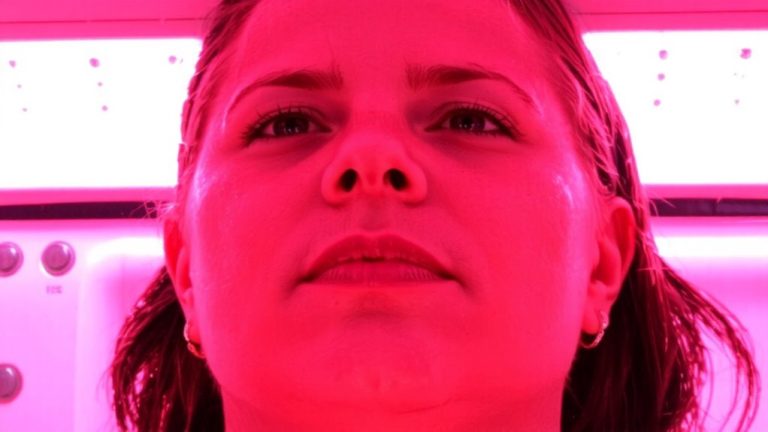
While you might think tanning beds are a safe way to get a quick glow, they actually pack a powerful punch of UVA radiation-up to 10 to 15 times stronger than natural sunlight-that can turn a routine session into a painful reaction if you’re on certain medications. Tanning beds emit intense UVA rays, which penetrate deep into your skin and amplify photosensitivity caused by common drugs like doxycycline or hydrochlorothiazide. This UV radiation can trigger phototoxic or photoallergic reactions, leading to blistering, premature skin damage, and long-lasting discoloration. Unlike sun exposure, tanning beds deliver consistent, high-dose UV radiation year-round, increasing risk even in short sessions. If you’re on photosensitizing medications, skipping tanning beds isn’t just cautious-it’s essential for preventing serious skin harm. Always read medication labels and consult your dermatologist before any UV exposure.
Which Medications Raise Your Risk of UV Reactions?
If you’re taking certain medications, your skin could react badly to UV exposure from tanning beds or even sunlight, turning a quick session into a painful, red, blistering mess. Common medications linked to photosensitivity include antibiotics like doxycycline and ciprofloxacin, which trigger intense UV reactions due to phototoxic reactions activated by UVA rays. Retinoids such as isotretinoin and tretinoin increase risk by thinning your skin’s surface, making it far more vulnerable in tanning beds. Diuretics like hydrochlorothiazide often cause rashes or blistering with UV exposure. NSAIDs including ibuprofen and naproxen may also lead to skin sensitivity. Even antifungals like voriconazole raise your risk-users report sunburn after just minutes in tanning beds. Always check labels, and when in doubt, skip the tanning beds altogether to avoid serious UV reactions.
Phototoxic Vs. Photoallergic Reactions: What’s the Difference?
Ever wondered why some medications turn sun exposure into a painful burn while others cause a spreading, itchy rash even under clothing? That’s because of two distinct types of reactions: phototoxic and photoallergic. Phototoxic reactions are more common, occurring within hours of UV exposure. They cause redness, pain, and blistering-like a bad sunburn-only on exposed areas. These reactions are dose-dependent and happen when medications like doxycycline or hydrochlorothiazide absorb UV light, triggering a damaging chemical reaction occurs in the skin. Photoallergic reactions are rarer and involve the immune system. UV light alters certain medications, creating an allergen. This leads to an eczema-like rash that may spread beyond exposed skin and persist after stopping the drug. Topical agents, like some sunscreens or ointments, often cause photosensitivity through this pathway. Common medications that cause these responses need careful management when facing UV exposure.
Why Tanning Beds Are Especially Dangerous on Certain Drugs
Because tanning beds blast your skin with concentrated UVA rays-up to 10 to 15 times stronger than natural sunlight-they turn already sensitive skin into a reaction hotspot if you’re on certain medications. If you’re taking photosensitizing medications like doxycycline, voriconazole, or fluoroquinolone antibiotics, the intense UV radiation can trigger severe phototoxic reactions fast-think blistering, peeling, and pain within minutes. Even common drugs like hydrochlorothiazide carry risks, while isotretinoin increases UV vulnerability dramatically due to impaired skin barrier function. Tanning beds pack a powerful, short-duration UV dose, making reactions more intense than with sun exposure. Repeated use can also lead to photoallergic reactions, especially with certain antibiotics, causing rashes that spread and linger. These aren’t just mild irritations-they’re serious skin responses that compromise healing, appearance, and long-term skin health.
How to Protect Your Skin on Photosensitizing Medications
You’re already aware that tanning beds can turn a simple medication into a fast track for serious skin damage, especially with drugs like doxycycline or isotretinoin amplifying your risk under intense UVA exposure. So, skip the tanning bed entirely-those concentrated UV rays from sunlight and artificial sources dramatically increase your chances of a reaction. Your photosensitizing medications can cause sun sensitivity, even on cloudy days, since up to 80% of UV rays from sunlight still reach your skin. Protect yourself by applying a broad-spectrum sunscreen with SPF 30 or higher to all exposed areas, and reapply every two hours or after sweating. Wear UPF-rated protective clothing, wide-brimmed hats, and UV-blocking sunglasses. Limit exposure to UV between 10 a.m. and 4 p.m., and always check labels-many medications can cause sun issues.
When to See a Doctor for Sun-Triggered Skin Reactions
What should you do when sun exposure leads to more than just a tan? If you develop skin reactions like blistering, intense redness, or pain after sunlight exposure, especially while on medications that cause sun sensitivity, you should see a doctor. A severe sunburn covering a large area may need medical treatment. Some drugs, like doxycycline or NSAIDs, can trigger reactions even with minimal UV exposure. If your rash lasts more than 48 hours, spreads beyond sun-exposed skin, or you notice systemic symptoms like fever or nausea, seek care right away. Medications such as voriconazole or isotretinoin raise your risk, so don’t wait-see a doctor at the first sign of irritation. Recurring reactions after starting a new medication are a red flag. Early evaluation helps prevent complications and guides safer sun practices going forward.
On a final note
You’re safer skipping tanning beds if you’re on antibiotics, acne meds, or diuretics-common triggers for burns or rashes. These drugs boost UV sensitivity, raising blister risks in just 10–15 minutes under artificial light. Opt for self-tanners like Neutrogena Self-Targeting Lotion instead, pair with SPF 30+, and wear UV-blocking goggles. Report redness or blistering fast. Your skin’s health beats a tan-always.