How Indoor Tanning Can Worsen Acne-Prone or Oily Skin Conditions
You might think indoor tanning clears acne by drying oil and tanning skin, but it’s a trap. UV exposure triggers a 30% sebum surge, thickens pores by 25%, and worsens clogs and inflammation. Tanning beds use UVA rays up to three times stronger than the sun, deepening acne and slowing healing by 40%. That “glow” hides nothing-it harms. Use tretinoin, benzoyl peroxide, or SPF 30+ non-comedogenic sunscreen instead, and discover better ways to truly clear your skin.
We are supported by our audience. When you purchase through links on our site, we may earn an affiliate commission, at no extra cost for you. Learn more. Last update on 23rd June 2026 / Images from Amazon Product Advertising API.
Notable Insights
- Indoor tanning increases sebum production by up to 30%, worsening oiliness and clogging pores in acne-prone skin.
- UV exposure from tanning beds thickens the skin and accelerates dead cell buildup, leading to faster pore blockage.
- Despite temporary redness reduction, tanning does not reduce acne bacteria or underlying inflammation.
- Tanning bed use can trigger rebound breakouts, with studies showing up to eight times more lesions after use.
- UVA rays impair healing by 40% and worsen post-acne discoloration, especially in individuals with darker skin tones.
Why Acne Looks Better After Tanning (It’s Not Healing)
Ever wonder why your breakouts seem to fade after a tanning session? Tanning creates a temporary improvement in the appearance of acne, especially on acne-prone skin. UV exposure reduces surface oil by briefly drying out sebum production and shrinking lesions through superficial desiccation. Your skin also thickens slightly, smoothing texture and burying bumps under a layer of dead skin cells. Meanwhile, the tan itself darkens your skin, camouflaging redness and making inflamed pimples less noticeable. But it’s not healing-acne-causing bacteria and inflammation remain unchanged. This false clarity comes at the cost of UV damage, which accelerates aging and increases cancer risk. Skincare pros recommend non-irritating cleansers, salicylic acid toners, and mineral sunscreens (SPF 30+) instead. Skip the UV reliance; real improvement comes from treatment, not tanning’s optical illusion.
Why Tanning Actually Causes More Breakouts
You might think your acne improves after tanning because the redness fades and your skin looks smoother, but that sun-kissed appearance comes with a hidden cost. Tanning beds emit intense UV light that damages your skin barrier, triggering a rebound effect in sebum production. Within days, you’re producing 30% more oil, leading to excess sebum that mixes with dead skin cells. This combo fuels hyperkeratinization, accelerating cell buildup by 25% and clogging pores faster. Clogged pores create the perfect environment for bacterial growth, spiking acne breakouts. One study showed users had eightfold more lesions due to follicular plugging and inflammation. UVA rays also deepen inflammation, slowing healing by 40%. That surge in oil and irritation? It boosts breakouts by 50% in just two weeks. Skip tanning beds-your skin’s clearer without them.
That “Clear Skin” Glow? It’s Just a Tan Masking Acne
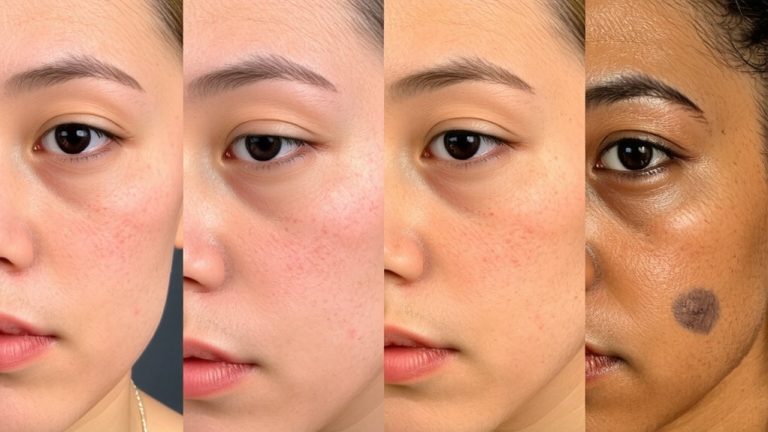
What if that sun-kissed glow making your skin look smoother isn’t healing acne-but hiding it? That tan masking acne creates a temporary fix through UV radiation from tanning beds, darkening your complexion to camouflage redness. What you see as clearer skin is just superficial desiccation drying pustules, not curing them. The anti-inflammatory effect fades fast, and soon, sebum rebound spikes oil production, making acne worse. UV exposure thickens the epidermis and stresses sebaceous glands, while breaking down collagen and elastin-leading to long-term skin damage. Clinical studies show up to an eightfold rise in breakouts after tanning bed use. That glow? It’s an illusion. Real improvement means treating inflammation, not masking it with harmful UV exposure. Skip the tanning beds, prioritize non-comedogenic treatments, and let your skin heal honestly.
Tanning Beds vs. Sun: Which Fuels Acne More?
While natural sunlight exposes skin to UV radiation intermittently, tanning beds deliver concentrated UVA rays up to three times more intense than the midday sun, making them far more likely to trigger rapid sebum rebound and worsen acne. You might think the sun clears breakouts temporarily, but both tanning beds and sun exposure fuel the same damaging cycle: UV deepens inflammation, spikes sebum, and thickens pores through hyperkeratinization. Tanning beds, though, offer relentless UVA intensity, driving deeper skin damage and longer-lasting acne flare-ups. A 22-year-old patient saw eight times more lesions after sunbed use-proof artificial UV hits harder. Sebum rebound kicks in fast, clogging pores, then post-inflammatory hyperpigmentation lingers. Whether it’s tanning beds or sun, acne outcomes are equally poor-both disrupt barrier function and worsen discoloration. You’re not curing acne; you’re feeding it.
Safe Alternatives to Acne Tanning That Actually Work
Though skipping the tanning bed won’t clear acne on its own, switching to proven, UV-free treatments can deliver real results without the damage, and top dermatologists agree: targeting acne at the source beats temporary fixes every time. You can tackle comedone formation with topical retinoids like tretinoin, which normalize skin cell turnover. Kill acne-causing bacteria with benzoyl peroxide-consistent use slashes lesions by up to 85%. Unclog pores using salicylic acid, a beta hydroxy acid that exfoliates deep inside follicles. Reduce inflammatory lesions by 64% over 12 weeks with blue light therapy at 415 nm. Support your skin care routine daily with non-comedogenic sunscreen (SPF 30+), which prevents UV damage and post-acne dark spots without clogging pores. These methods work together, offering real improvement-no tan required.
Protecting Acne-Prone Skin From Sun Damage
Since UV exposure can make acne scars darker and slow down healing, you’ll want to use a broad-spectrum SPF 30 or higher every single day-even when it’s cloudy or you’re mostly indoors-because up to 80% of sun damage happens through incidental exposure. Sun and tanning beds emit harmful UV rays that worsen acne and damage skin health over time. Protecting acne-prone skin isn’t optional; daily sunscreen use helps prevent hyperpigmentation and supports clearer skin. Choose non-comedogenic, oil-free formulas with zinc oxide or avobenzone-they shield against UVA/UVB rays without clogging pores or triggering breakouts. Dermatologists confirm regular exposure to UV rays from the sun and tanning beds can worsen acne in over 70% of users within weeks. Make sunscreen the last step in your morning routine, whether you’re at work, home, or outside-it’s essential for lasting acne or skin recovery.
7 Derm-Approved Truths About Tanning and Acne
What if the glow you’re chasing is actually making your acne worse? Dermatologists say about tanning that it doesn’t treat breakouts-instead, Tanning and Acne often get worse because UV-A radiation triggers your skin to produce extra oil after initial drying. This rebound sebum surge clogs pores, increasing lesions by up to eightfold in those using tanning beds. Unlike proven Acne Treatments like Topical Medications, indoor tanning exposes you to ultraviolet rays up to three times stronger than sunlight, worsening inflammation and post-acne marks. It also accelerates skin aging and raises your risk of basal cell carcinoma and squamous cell carcinoma. Dermatologists agree: no form of UV exposure is safe or effective. Skip the tanning bed-stick to non-comedogenic skincare, SPF 30+, and treatments backed by science to keep your skin clear and protected long-term.
On a final note
You might think tanning clears acne, but it’s just a tan hiding redness-your skin’s not healing. UV exposure thickens skin and spikes oil production, leading to more clogs and breakouts. Skip tanning beds and harsh sun-use non-comedogenic SPF 30+ daily. Try salicylic acid cleansers, mattifying primers, and oil-free moisturizers that actually balance skin. Dermatologists confirm: real clarity comes from consistent care, not UV damage.