Testing Men’s Colognes on Skin vs. Paper Strips: What Gives Accurate Results
You’ll get the truest sense of a cologne’s performance on your skin, not paper. Skin’s warmth, pH (around 4.5–5.5), and natural oils react with scent molecules, evolving top, heart, and base notes over 6+ hours. Blotters show initial freshness from 4–8 inches’ spray but fade fast-no body heat means incomplete dry-down. Test 3–5 scents on blotters first, then retest top picks on pulse points without rubbing. What you smell on skin is real-everything else is just a preview. Keep exploring to find your perfect match.
We are supported by our audience. When you purchase through links on our site, we may earn an affiliate commission, at no extra cost for you. Learn more. Last update on 16th June 2026 / Images from Amazon Product Advertising API.
Notable Insights
- Skin testing provides more accurate results due to body heat, oils, and pH interacting with fragrance molecules.
- Paper blotters show initial top notes but lack the full evolution of heart and base notes.
- Each person’s skin chemistry uniquely alters a cologne’s scent, making wear tests personal and variable.
- Blotter testing is ideal for objective comparison, while skin testing reflects real-world performance.
- For best results, compare scents on blotters first, then retest top choices on skin for accuracy.
Why Perfume Smells Different When Testing
While you might think a fragrance smells one way on a paper strip, it can evolve completely once it hits your skin, and for good reason. Your skin chemistry plays a major role-natural oils, skin pH, and the warmth of your skin all interact with scent molecules. What smells fresh on paper might turn musky or sweet on you because fragrance reacts differently based on your unique body chemistry. Even slight differences in your skin’s pH level (typically 4.5–6.5) can amplify or mute certain notes. The warmth of your skin helps the fragrance evolve over time, revealing top, heart, and base notes gradually. That’s why a cologne can smell different on your skin than on a friend’s. Factors like even your diet or hygiene products can shift how a scent develops, making personal testing essential for accuracy.
Test Colognes on Blotters the Right Way
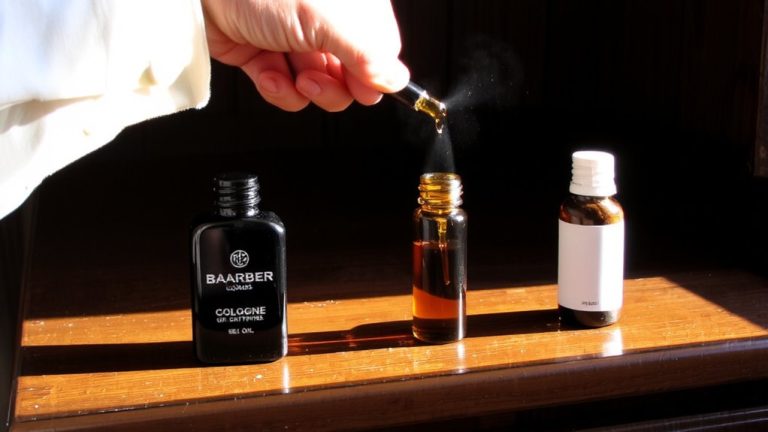
Since you’re aiming to compare fragrances objectively, start by spraying each cologne onto a neutral paper blotter from 4 to 8 inches away-this distance guarantees a light, even application that captures the scent’s true opening notes without overpowering your nose. Limit your testing process to 3–5 scents at once so your nose stays sharp and you can tell they smell different. Wait 20–30 minutes to assess heart notes, but remember blotters lack skin chemistry, so base notes often fade fast or don’t develop fully. Unlike Skin vs. skin, paper strips won’t hold heat or oils, so Mugler Cologne might seem lighter, less rich. Never judge a scent’s full journey on a blotter alone-it’s just the first step. Since fragrances can smell different on someone else or after several hours, always retest on skin later for accuracy.
How Your Skin Changes the Fragrance
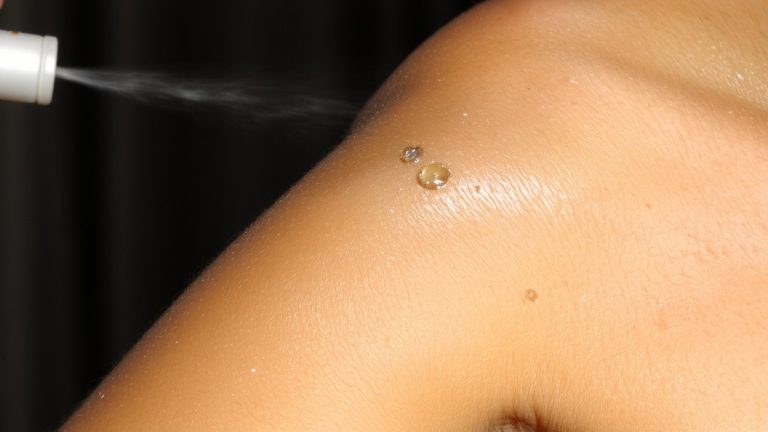
When you apply cologne directly to your skin, the scent doesn’t just sit on the surface-it reacts, shifts, and evolves in ways paper blotters can’t replicate, all because of your unique skin chemistry. Your body heat accelerates the scent evolution, helping top notes fade faster while boosting heart and base notes. Fragrance notes mingle with your natural oils and pH-typically between 4.5 and 5.5-creating a personalized scent profile no two people will experience the same. Spraying on pulse points like wrists and neck uses warmth to enhance projection and reveal the true dry-down phase. This interaction affects longevity, too, often making scents last longer and smell richer. A cologne like Bulgari Eau Parfumée au Thé Rouge might seem flat on paper but blooms on skin, proving that your chemistry doesn’t just change the fragrance-it completes it.
Blotter vs Skin: Choose the Right Method
If you’re comparing multiple fragrances, start with blotters-these paper strips let you quickly sniff up to five scents side by side without overwhelming your nose, giving you a clean, unaltered look at the top notes just as the perfumer designed them. Blotter testing is great for initial screening, but it only shows scent in a static form-paper lacks body heat and natural oils, so you miss the full scent evolution. For true fragrance performance, switch to skin testing. Your body chemistry interacts with the juice, transforming heart notes and base notes over 6+ hours. Apply to pulse points like wrists or inner elbows, and don’t rub-it preserves molecular integrity. The warmth of your skin reveals how the fragrance really wears, letting you evaluate longevity and dry-down accurately. Start with blotters, then confirm top choices on skin to avoid cross-contamination and sensory fatigue.
On a final note
Trust skin testing for real-world results, since body heat and pH react with cologne notes-paper blotters show the initial scent, but not the full 6–8 hour evolution, testers found citrus fades fast on skin while base notes like sandalwood last longer, use both methods: sniff the blotter first, then apply to pulse points, avoid rubbing, let it develop naturally, and reevaluate after 20 minutes for the truest wear.