How to Style a Beard With a Receding Hairline for Facial Balance
You can balance a receding hairline by growing a well-shaped beard that draws eyes downward and adds harmony to your face. Try a full beard or extended goatee, depending on your face shape, and trim cheeks with a #2 or #3 guard while keeping the chin fuller with a #4. Define a U-shaped neckline one to two fingers above your Adam’s apple, blend the fade into your beard using a #2 guard, and maintain sharp cheek lines from ear to mouth corner-this shift in focus improves facial balance by up to 40%. Use daily beard oil, a boar bristle brush, and balm after washing to keep growth healthy and defined, and pair your beard with a high skin fade starting above the temples for a clean, balanced look that lasts-see how small tweaks create bigger results.
We are supported by our audience. When you purchase through links on our site, we may earn an affiliate commission, at no extra cost for you. Learn more. Last update on 22nd June 2026 / Images from Amazon Product Advertising API.
Notable Insights
- Choose a beard style that complements your face shape to restore symmetry and balance a receding hairline.
- Opt for full or extended goatee styles to add lower facial fullness and draw focus downward.
- Maintain a clean U-shaped neckline one to two fingers above the Adam’s apple for sharp jaw definition.
- Use a blended fade from scalp to beard with a #2 or #3 guard to minimize contrast and create cohesion.
- Trim cheek lines from ear to mouth corner and use daily beard oil to enhance shape and condition growth.
Why a Beard Balances a Receding Hairline
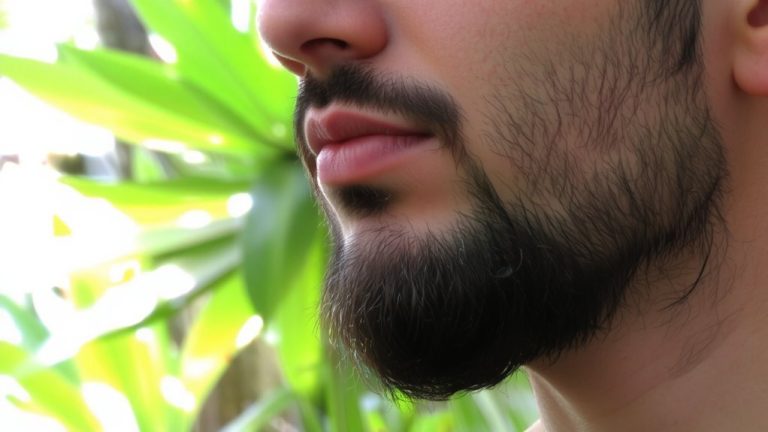
While your receding hairline might draw attention upward, a well-shaped beard pulls the eye down, creating balance by anchoring your jawline and restoring harmony to your facial proportions. A well-groomed beard enhances facial symmetry, helping mask the appearance of a receding hairline by drawing attention away from the forehead. Strategic beard styling can alter perception, minimizing the contrast between your scalp and face shape by up to 40%. The right beard style doesn’t just conceal-it complements, with vertical growth adding height and balancing facial proportions. Studies show a full or extended goatee adds definition, while consistent shaping keeps edges sharp. Whether you use trimmers with 3–5 mm guards or conditioning oils for thickness, precision matters. Be patient, shape weekly, and let your beard balance your look naturally-no tricks, just science-backed beard balance you can see.
Best Beard Styles for Receding Hairlines by Face Shape
Your face shape holds the key to the perfect beard when managing receding hairlines. Choosing the right beard style means working with your facial features to create a balanced look. If you have an oval face, a full beard or corporate beard with clean cheek lines enhances symmetry. Square faces look best with rounded beard styles like the circle or royal beard-they soften sharp angles and draw attention from thinning hair. For round faces, go with an extended goatee or anchor beard to add length and reduce width. Rectangular face shapes balance well with mutton chops or a full beard that’s fuller on the cheeks and shorter on the chin. Heart-shaped faces benefit from a Garibaldi or extended goatee, adding fullness below. Whatever your face shape, a well-maintained beard and proper beard shape make all the difference.
Define Your Jawline With the Right Beard Shape
If you’re looking to sharpen your profile and draw attention to your strongest feature, defining your jawline with the right beard shape makes all the difference. A clean U-shaped neckline, one to two fingers above your Adam’s apple, creates contrast and enhances your facial structure. Trim your cheeks and sideburns with a #2 or #3 guard, then go with a #4 on the chin to elongate your face and minimize a receding hairline. Keep the beard trimming precise along high, angular cheek lines-from the top of your ear to the corner of your mouth-to expose cheekbones and add sharpness. Letting the beard grow longer on the chin while tapering the sides balances your beard shape and draws eyes downward. Blending the fade from your hair into the beard with clean lines guarantees a seamless shift. This grooming approach strengthens your jawline, improves facial balance, and elevates any beard style.
Maintain Sharp Neck and Cheek Lines
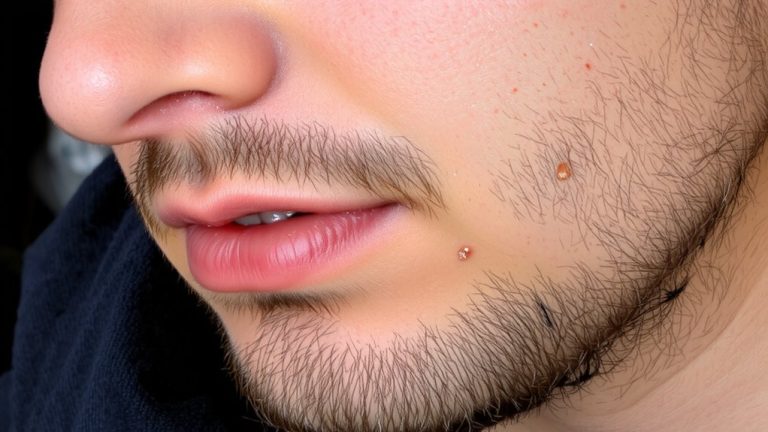
A well-defined beard starts with clean edges, and keeping sharp neck and cheek lines is essential for a polished, intentional look. To maintain sharp neck lines, shave a U-shaped line one to two fingers above your Adam’s apple, connecting both earlobes-this creates a clean neckline that enhances your jawline and prevents your beard from merging with your neck. This shadow under the jaw adds definition, balancing a receding hairline. For cheek lines, trim from the top of your ear to the corner of your mouth, removing stray hairs above to expose cheekbones and refine your facial shape. Avoid shaving cheeks entirely or setting lines too high-it can create a goatee-only look and distort balance. Use a precision trimmer weekly; regrowth blurs sharp lines in 3–5 days. Proper edges keep your look crisp and stop drawing attention to flaws.
Match Your Beard With a Fading Haircut That Works
Though you can’t reverse a receding hairline, you can reshape the look with a high skin fade that starts at or just above the temples and blends down to bare skin, creating a sharp contrast that lifts the eye and balances facial proportions when paired with a full beard. A high fade works with short hair on top-like a textured crop or buzz-to draw the eye upward, enhancing your cheekbones and improving facial balance. This fade haircut frames your face and hair in a way that complements beard styling, especially when you blend the fade into the beard using a #2 or #3 guard along the sideburns and jawline. Maintaining this clean shift every 1–2 weeks keeps the contrast sharp. Use light grooming products to define the top without weighing it down, ensuring harmony between your short hair and beard for lasting facial balance.
Keep Your Beard Looking Sharp Every Day
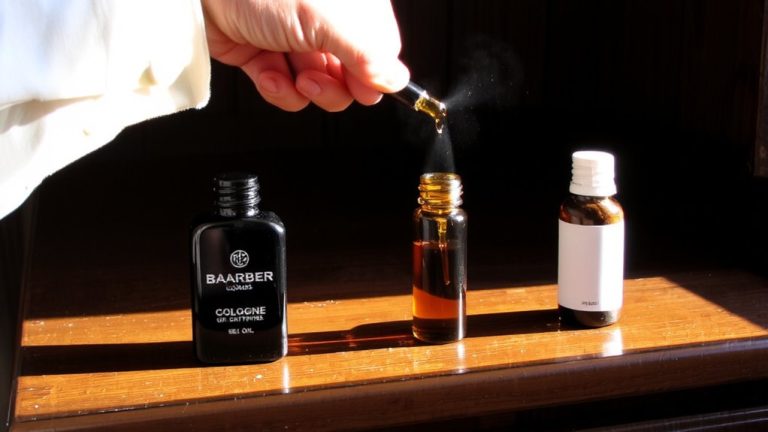
While your fade keeps the upper face balanced, maintaining a crisp daily beard routine guarantees the lower face stays sharp and intentional. To Keep Your Beard Looking clean, trim your beard every 2–3 days using a precision trimmer set to 1–3mm, which keeps edges neat and prevents stray hairs. Use a precision trimmer to refine cheek and jaw lines weekly. Apply Beard oil every morning to moisturize skin underneath and reduce itchiness, especially essential with a receding hairline. After washing, work beard balm through damp hair to tame frizz. Use a boar hair brush daily to distribute oils, train hairs, and create structure. Always define neckline by shaving a U-shape one to two fingers above the Adam’s apple for clarity. These beard grooming habits, paired with quality beard products, guarantee consistent daily beard care that enhances facial symmetry and confidence.
Combine Beard Styling With Hair Loss Treatments
You’ve already locked in a clean, daily beard routine to keep your lower face sharp and balanced, but what if your grooming routine could do even more? Combining your beard style with hair loss treatments helps redefine your look while fighting recession. A full beard adds volume below, drawing attention away from thinning areas. If you’re using minoxidil or LLLT therapy, your facial hair routine complements these efforts-just use beard balm to shape a structured jawline. You do need to choose the right style works for your face, like a goatee or stubble, especially during FUE recovery. Celebs like Dwayne Johnson prove a permanent beard can transform your appearance alongside transplants. Non-surgical patches pair well with defined edges, keeping the overall aesthetic intentional. Remember, any beard requires consistency-trimming, feeding follicles, and syncing with scalp treatments to truly balance and refine your look.
On a final note
Trim your beard to follow your jaw’s natural angle, keeping lines sharp at 1/2 inch below the ear and above the Adam’s apple. Choose a short fade haircut, graded from 0.5 mm at the sides to 2 inches on top, to reduce contrast. A medium stubble, about 3 mm long, adds definition without overwhelming, while daily use of cedarwood oil and matte balm keeps texture balanced, groomed, and subtly fragranced.