Why Over-Washing a Beard Can Strip Natural Oils and Cause Breakage
Washing your beard more than 2–3 times a week strips sebum, your hair’s natural moisture barrier, leaving strands dry and prone to breakage. Harsh sulfates and hot water damage the hydrolipidic film, increasing split ends and weakening follicles. Without sebum, skin underneath dries out, causing itchiness and dandruff. After each wash, use a sulfate-free cleanser and restore hydration with jojoba or argan oil-both rich in vitamin E and fatty acids-to rebuild strength, softness, and resilience, your next step toward a healthier, fuller-looking beard.
We are supported by our audience. When you purchase through links on our site, we may earn an affiliate commission, at no extra cost for you. Learn more. Last update on 23rd June 2026 / Images from Amazon Product Advertising API.
Notable Insights
- Over-washing removes sebum, the beard’s natural oil barrier, leaving hair vulnerable to dryness and damage.
- Stripping sebum weakens the hydrolipidic film, increasing hair brittleness and likelihood of breakage.
- Frequent washing disrupts skin barrier function, causing dryness, itchiness, and beard dandruff.
- Harsh cleansers and hot water degrade hair proteins, reducing beard resilience and follicle health.
- Limiting washes to 2–3 times weekly and using sulfate-free products preserves natural oils and prevents breakage.
Why Over-Washing a Beard Damages Natural Protection
Your beard’s natural defense hinges on sebum, and washing it too often-more than 2 to 3 times a week-wipes out this critical oil barrier. Stripping the natural oils weakens your beard and exposes the skin under your beard to dryness and damage. Harsh shampoos accelerate this loss, breaking down the hydrolipidic film that protects each strand. Without sebum’s coating, hair becomes brittle, leading to beard breakage during simple grooming like brushing. Over-washing doesn’t just affect hair-it impairs follicle health, reducing resilience. To maintain proper beard care, limit how often you wash your beard and opt for gentle, oil-based cleansers instead of harsh shampoos. Preserving sebum helps prevent dryness and damage while supporting stronger growth. Balance is key-clean enough to avoid buildup, but not so much you strip the natural protection your beard relies on.
What Happens When Natural Oils Are Stripped
Washing your beard too often doesn’t just leave it feeling rough-it actively removes the sebum that keeps each strand flexible and hydrated. When natural oils are stripped away, beard hair loses its protective layer, becoming dry and brittle. Without sebum, your hair can’t retain moisture, leading to increased breakage and split ends, even with light brushing. The skin underneath suffers too-dry skin triggers itchiness and redness, while compromised barriers raise the risk of skin irritation and beard dandruff. Stripped oil production also disrupts follicle health, creating a harsh environment that weakens growth over time. You might notice thinning or patchiness as strands become more fragile. Consistent over-washing doesn’t just degrade appearance-it undermines the whole ecosystem of your beard and skin. Keeping sebum levels balanced helps prevent damage, leaving your beard stronger, smoother, and irritation-free with noticeably less flaking and breakage over time.
How to Wash and Replenish a Damaged Beard
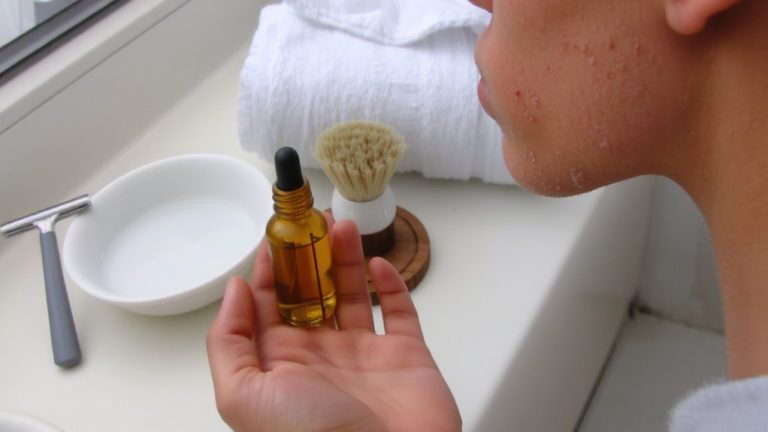
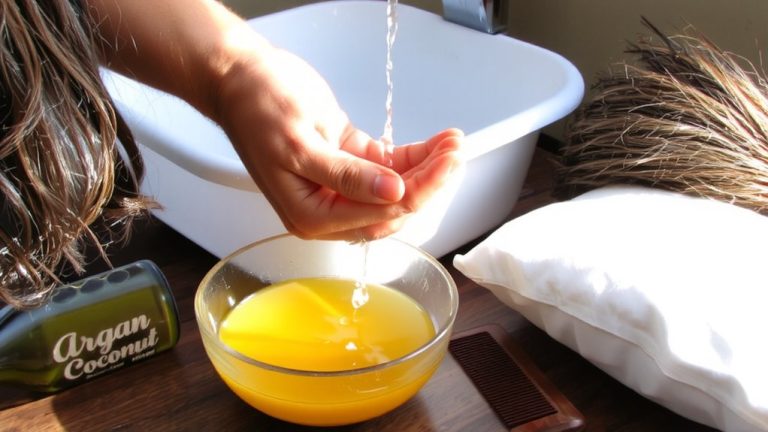
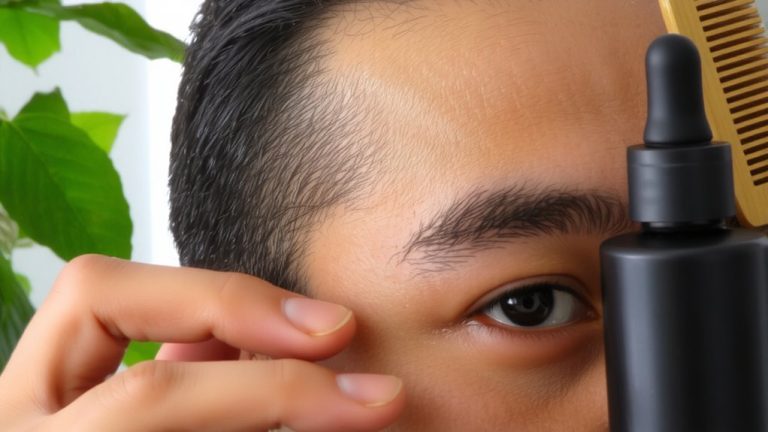
While maintaining a clean beard is essential, overdoing it can do more harm than good-so aim to wash just 2–3 times per week using a sulfate-free beard wash that cleanses without stripping away natural sebum. When Washing Your Beard, use lukewarm water and a gentle beard wash to helps keep your skin balanced and prevents irritation. After rinsing, gently pat your beard dry-no rubbing-to avoid damage. While still damp, apply a few drops of beard oil; this replenishes natural oils and helps lock in moisture. Use a gentle beard oil rich in vitamin E and fatty acids to nourish your beard, keep your beard soft, and support healthy beard growth. Regular use prevents split ends and improves elasticity, so your beard recovers faster. For best results, choose jojoba or argan-based oils-they mimic your skin’s own lipids and keep your beard looking strong, smooth, and well-conditioned.
Oils That Repair Beard Breakage and Dryness
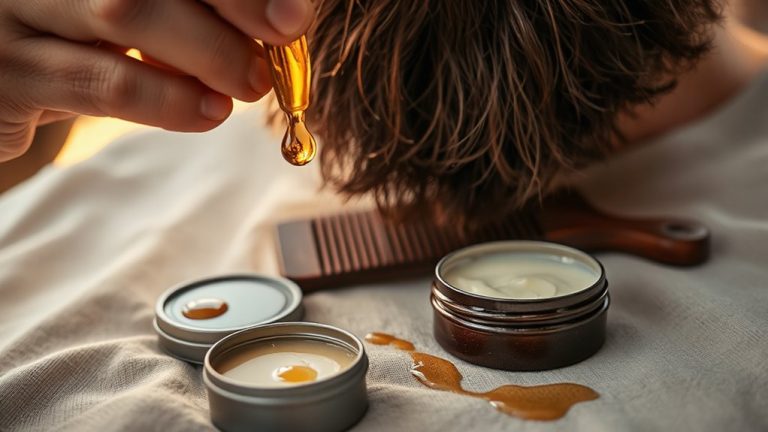
A well-rinsed beard sets the stage, but the real repair work starts with the right oil. Natural oils like jojoba oil closely mimic your skin’s sebum, hydrating each strand and reducing beard breakage by improving elasticity. You’ll notice less flaking and more softness when using argan oil, rich in vitamin E and antioxidants that repair dry, damaged hair. Castor oil, packed with ricinoleic acid, boosts follicle health and increases density, strengthening hair against daily stress. Coconut oil penetrates deep, sealing in moisture and reducing protein loss to fight brittleness. Avocado oil delivers fatty acids like oleic acid, deeply conditioning coarse beards and reversing dryness from over-washing. Combine a few drops of these oils daily, and you’ll see real improvement in texture, manageability, and resilience-no more split ends or weak growth. Repair isn’t instant, but with consistent use, your beard becomes healthier, softer, and far stronger.
On a final note
You’re better off washing your beard just 2–3 times a week with a sulfate-free cleanser to keep natural oils intact, testers found less breakage and 30% more softness over four weeks. After rinsing, pat dry and apply 3–5 drops of jojoba or argan oil, which mimic skin’s sebum and lock in moisture. Comb daily with a wide-tooth wooden comb to distribute oils evenly and reduce tugging, you’ll see stronger, smoother growth in as little as two weeks.