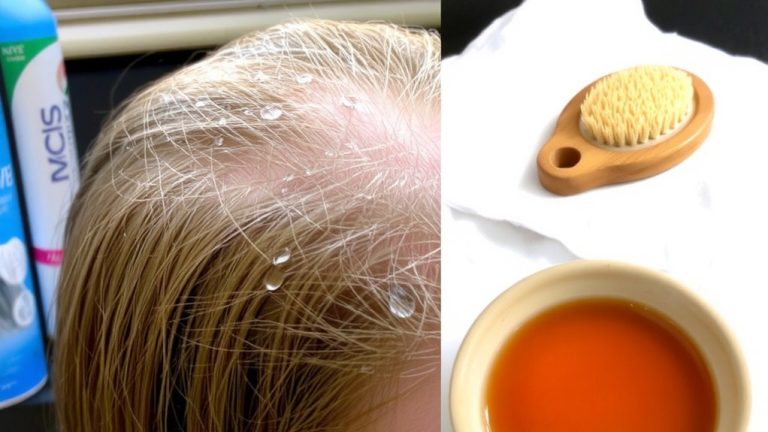
Best Practices for Men’s Hair Thinning and Scalp Care
You can fight hair thinning by using 5% minoxidil foam twice daily-studies show 80% of men see improved hair count by 48 weeks. Wash your scalp 2–3 times weekly with a sulfate-free shampoo, and apply a rosemary-infused serum to boost circulation. Support growth from within with omega-3s, vitamin D, and 6–7 eggs weekly for protein and biotin. Skip tight styles and flat ironing above 300°F to prevent breakage. There’s more to optimize-simple tweaks can amplify results.
We are supported by our audience. When you purchase through links on our site, we may earn an affiliate commission, at no extra cost for you. Learn more. Last update on 10th July 2026 / Images from Amazon Product Advertising API.
Notable Insights
- Use minoxidil 5% foam twice daily to stimulate follicles and improve hair count within 48 weeks.
- Wash scalp 2–3 times weekly with sulfate-free shampoo to maintain a healthy, balanced environment.
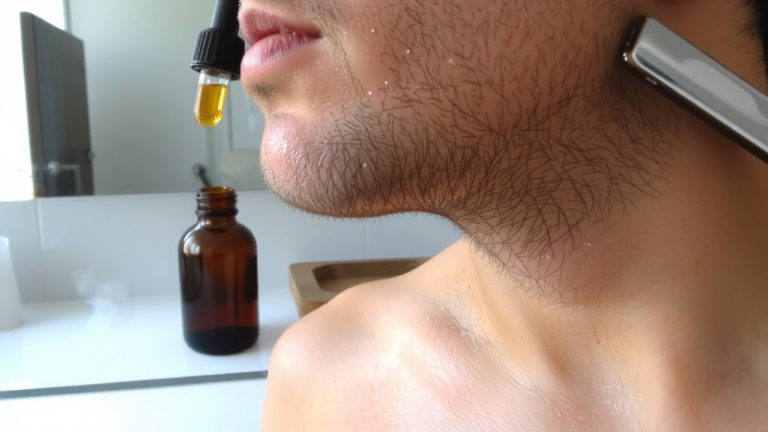
- Apply rosemary or peppermint oil serum to boost circulation and support hair retention.
- Eat protein-rich foods and ensure adequate vitamin D, iron, and omega-3s for strong hair growth.
- Avoid tight hairstyles, excessive heat, and chemical treatments to prevent breakage and traction alopecia.
What’s Causing Your Hair Thinning?
What’s really behind your thinning hair? Hair loss isn’t just about aging-it’s often tied to genetics, especially in male pattern baldness, where hair follicles become sensitive to DHT. Hormonal changes from stress, aging, or thyroid issues can also disrupt your scalp’s cycle. You might not realize it, but medical conditions like alopecia areata or scalp infections can trigger sudden types of hair loss. Poor nutrition plays a role too-low iron, protein, or biotin weakens strands over time. Even medications for depression, blood pressure, or cancer can list hair thinning as a side effect. Smoking and chronic stress? They worsen it. The scalp isn’t just skin-it’s home to follicles that need balance to thrive. Recognizing these causes helps you tackle the real issue early, before daily shedding becomes noticeable thinning.
Build a Scalp-Healthy Routine in 3 Steps
While genetics and hormones play a big role in hair thinning, you can take control with a targeted scalp routine that keeps follicles healthy and functioning at their best. First, keep your scalp clean by washing 2–3 times weekly with a sulfate-free shampoo-this supports scalp and hair health without over-drying. Second, follow with a lightweight conditioner on the ends only to avoid greasiness, and use a weekly deep conditioning mask if you battle dry hair or split ends. A leave-in conditioner can help combat frizz and protect against heat damage. Third, apply a scalp serum with rosemary or peppermint oil to boost circulation and fight hair loss. Limit blow-drying and styling tools; when needed, use the lowest heat. This simple, effective hair care routine strengthens thinning hair and supports long-term results.
Try Minoxidil: What Works and What to Expect
You’ve probably heard of Minoxidil-it’s the go-to OTC treatment for men tackling pattern hair loss, and for good reason. Minoxidil, FDA-approved for both male and female pattern hair loss, is a topical solution or foam applied twice daily to stimulate hair follicles. It works by increasing blood flow and nutrient delivery, helping prolong hair growth and thicken miniaturized hairs. Most men see hair regrowth after six months, with peak results around one year. Studies show 80% of men using 5% foam twice daily improve hair count by 48 weeks. Don’t panic if shedding occurs early-it’s normal and temporary. Keep in mind, Minoxidil isn’t a cure for permanent hair loss; stop using it, and benefits reverse within 3–4 months. Among treatments for hair loss, it’s one of the most proven, but consistency is key for lasting hair growth.
Eat These Foods to Support Hair Regrowth
A well-balanced diet can make a real difference when you’re working to support hair regrowth, especially when you focus on nutrients that directly affect follicle health. You need protein-it’s the building block of keratin, so eating eggs, fish, and nuts helps your hair grow strong. Vitamin D plays a role too; receptors in your follicles respond to it, so include fatty fish, mushrooms, and egg yolks to help combat loss. Leafy greens like spinach deliver iron and folate, which support overall hair health and prevent thinning linked to deficiency. Omega-3s from salmon and flaxseeds nourish your scalp, reduce inflammation, and improve follicle function. Biotin from whole grains and eggs may also help, especially if your loss is tied to a deficiency. These foods won’t fix everything overnight, but they support long-term growth and scalp health when eaten regularly.
When to See a Dermatologist for Thinning Hair
When should you take thinning hair seriously? If you’ve noticed shedding for over six months, bald patches, or sudden thinning, it’s time to see a dermatologist. Studies have shown early diagnosis improves outcomes, especially for the common type of hair loss-male pattern baldness. A board-certified dermatologist will examine your scalp, possibly perform a pull test or blood work, and check for a medical condition like hormonal imbalances or autoimmune diseases. Rapid loss, redness, itching, or scaling are red flags. If over-the-counter minoxidil hasn’t worked after a year, you may need FDA-approved treatments like finasteride. Family history also matters. While a hair transplant might be an option later, first get the right diagnosis-so you’re not guessing at what’s really going on.
Surgical and Non-Surgical Restoration Options
If you’re dealing with persistent thinning, it’s worth exploring both surgical and non-surgical restoration options that can deliver real, measurable results. You’ve got choices-from FDA-approved meds to advanced procedures.
| Option | Key Detail |
|---|---|
| Hair transplant surgery | Uses micrografts or minigrafts, often requiring multiple sessions |
| Minoxidil | FDA-approved topical, needs daily use, expect shedding at first |
| Finasteride | Prescription pill that blocks DHT, proven to slow loss |
| Low-level light therapy | FDA-cleared devices may boost cellular activity |
| Scalp micropigmentation | Tattoo technique for a fuller-look when surgery isn’t an option |
You can combine minoxidil with finasteride for stronger results, or try low-level light therapy at home. If donor hair is limited, scalp micropigmentation offers a realistic alternative. Surgical results with micrografts look natural, but progression means touch-ups could be needed.
Stop These Habits That Damage Hair
While you’re working to restore thinning hair, it’s just as important to stop habits that worsen damage-because even the best treatments can’t keep up with daily stressors that weaken strands and harm follicles. Those tight hairstyles like cornrows or slicked-back ponytails? They cause traction alopecia, a permanent loss from constant pull. You’re better off with loose styles that don’t tug. Stop using flat irons daily, too-heat over 300°F destroys hair proteins and leads to hair breakage. Skip chemical treatments like relaxers and at-home dyes; they strip the cuticle and weaken hair by up to 50%. Never do aggressive brushing, especially on wet hair-it’s 50% weaker when damp and snaps easily. And if you catch yourself twisting or pulling strands, break that habit fast: it could lead to trichotillomania and lasting thinning. Protect your hair, don’t punish it.
On a final note
You’ve got this: stick to a simple routine-gentle cleanser, minoxidil once daily, and SPF 30+ on your scalp. Eat eggs, spinach, and almonds for biotin and zinc. Skip tight hats and smoking, both reduce blood flow. See a derm if shedding lasts over three months. Testers using ketoconazole shampoo twice weekly saw less flaking in two weeks. For regrowth, consistency matters more than products-track progress monthly with front-angle photos under natural light.