How to Prevent Scalp Buildup From Dry Shampoo and Styling Sprays
You’re probably unknowingly piling on residue every time you use dry shampoo or hairspray-cornstarch, dimethicone, and polymers stick around, clogging follicles and feeding bacteria. Prevent buildup by using dry shampoo only every other day, applying in 2-second bursts 6 inches from your scalp, then brushing it out after 1 minute. Swap heavy formulas for water-soluble, PEG-modified options and clarify weekly with a salicylic acid shampoo to lift stubborn film. You’ll see less itching and flakiness fast, especially when you know which non-comedogenic sprays make the cut.
We are supported by our audience. When you purchase through links on our site, we may earn an affiliate commission, at no extra cost for you. Learn more. Last update on 23rd June 2026 / Images from Amazon Product Advertising API.
Notable Insights
- Use weekly clarifying shampoos to remove stubborn residue from dry shampoo and styling products.
- Choose water-soluble, lightweight formulas that rinse out easily and won’t clog hair follicles.
- Apply dry shampoo only at the roots in short bursts, holding the can 6–10 inches away.
- Limit dry shampoo use to every other day and wash hair at least every three days.
- After two uses of dry shampoo, perform a full cleanse to prevent product buildup and scalp issues.
How Dry Shampoo and Hairspray Cause Scalp Buildup
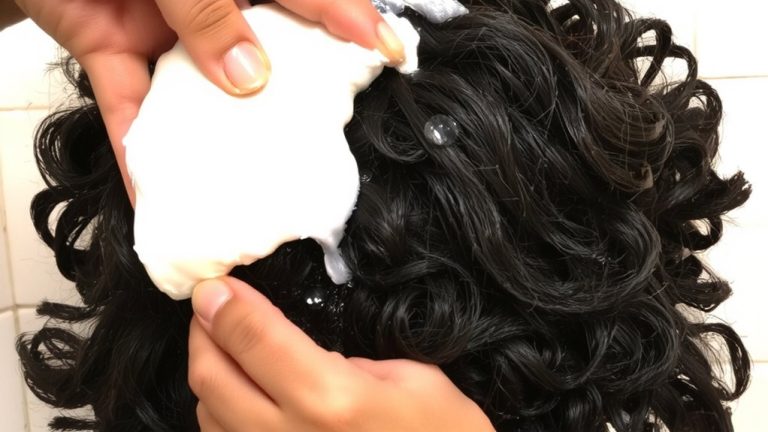
While dry shampoo and hairspray are go-to fixes for second-day hair or long-lasting styles, using them too often without proper washing can lead to serious scalp buildup. Your regular use of dry shampoo leaves behind starches and talc that don’t dissolve in water, causing residue accumulation at the roots. Styling sprays add polymers and alcohols that form stubborn, non-rinsed ingredients on your scalp, layering with each use. Over time, this product buildup creates a greasy, waxy film that can clog hair follicles and trigger irritation or breakage. Cornstarch in DIY formulas feeds scalp bacteria, disrupting your scalp microbiome and potentially causing odor. Repeated applications without thorough cleansing mean these non-rinsed ingredients pile up, increasing inflammation risk. That chalky texture you feel? It’s not just dirt-it’s scalp buildup hardening over time, suffocating follicles and weakening hair health with every missed wash day.
Use Weekly Clarifying Shampoos to Remove Residue
You’ll likely see the best results if you use a clarifying or detox shampoo once a week to cut through stubborn residue from dry shampoo, styling sprays, and environmental pollutants. These clarifying shampoos are specifically formulated to remove residue that regular washes miss, targeting silicones, starches, and mineral deposits from hard water. When buildup happens, it can clog follicles, leading to irritation, breakage, and slower growth. The weekly use of a clarifying shampoo helps prevent scalp buildup by dissolving product residue before it accumulates. Look for ingredients like salicylic acid or chelating agents-they break down stubborn grime effectively. To fully remove residue, rinse thoroughly so loosened gunk doesn’t re-deposit. With consistent use, clarifying shampoos keep your scalp clean and hair primed for healthier styling. This simple habit can make a real difference in how your hair feels and grows.
Switch to Water-Soluble, Lightweight Formulas
A smart shift in your routine starts with choosing dry shampoos and styling sprays that are water-soluble and lightweight, so they don’t stick around longer than they should. Look for dry shampoo with PEG-modified silicones instead of dimethicone-they rinse out easily and reduce residue accumulation. Lightweight, aerosol-based formulas spray fine and clear fast, minimizing scalp buildup. For styling sprays, pick water-soluble options labeled silicone-free and oil-free to avoid greasy films that weigh hair down. Avoid heavy polymers or waxes that harden and clog follicles over time. Always choose non-comedogenic styling sprays, especially if you have a sensitive scalp-they’re designed not to block pores. These smarter formulas keep your roots fresh without compromising scalp health. Real testers reported less itching and flakiness within two weeks of switching. Make the change, and you’ll notice cleaner, bouncier hair with far less scalp buildup.
Apply Dry Shampoo Correctly to Prevent Buildup
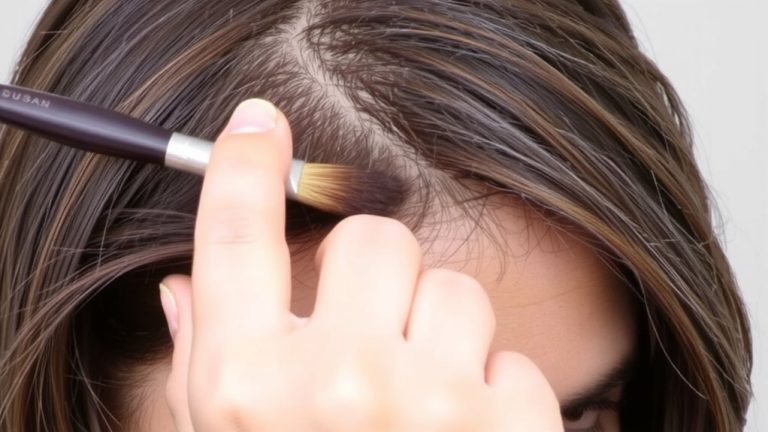
If you want to keep your scalp clear, how you apply dry shampoo matters just as much as the formula you choose. To avoid scalp buildup, apply dry shampoo only at the roots, where grease shows, using short 2–3 second bursts per section. Hold the can 6–10 inches away to prevent over-saturation and product accumulation. Let it sit for exactly 1–2 minutes-no longer-so it absorbs oil without clogging follicles. Then, always brush or comb through thoroughly to remove chalky residue buildup and guarantee even distribution. Never rely on dry shampoo daily; use it no more than once every two days between washing your hair. After two uses, cleanse fully to clear any leftover residue. This routine limits long-term buildup from dry shampoo and styling sprays, keeping your scalp healthy and your hair fresh without weighing it down.
On a final note
You can prevent scalp buildup by using dry shampoo and styling sprays wisely. Spray 10 inches from your scalp, targeting roots only, and rotate with a clarifying shampoo weekly. Choose water-soluble formulas with lightweight polymers-testers noticed less flaking and improved texture. Avoid heavy resins, and don’t exceed two daily sprays. Consistent rinsing, proper application, and smart product swaps keep your scalp balanced and hair fresh, day after day.